

Why Telaga Waja Rafting Is a Must-Try Experience in Your Lifetime
Telaga Waja Rafting is an exciting choice for travelers who want to explore Bali’s natural landscapes through an adventurous outdoor activity. Located in Karangasem Regency in eastern Bali, the Telaga Waja River is known for its long rafting route, which is commonly marketed at approximately 14 kilometers. Depending on the operator and river conditions, the time spent rafting can be around 2–3 hours.
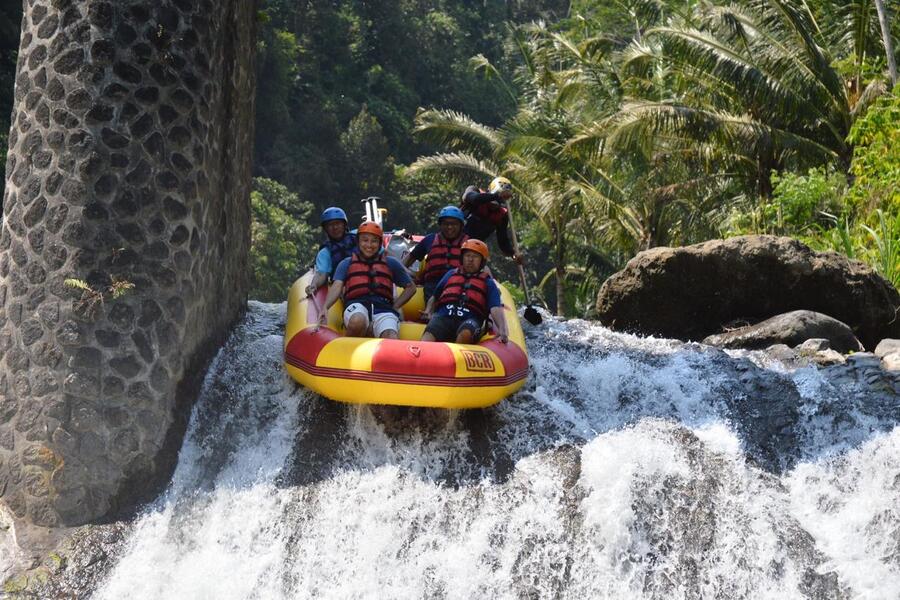
Along the journey, participants can enjoy views of tropical vegetation, rice fields, river valleys, and natural waterfalls in certain sections. The combination of flowing water, changing river landscapes, and outdoor adventure makes rafting here a memorable way to experience a different side of Bali.
Unlike some other rafting locations in Bali, Telaga Waja is often chosen by visitors looking for a longer rafting journey with a variety of rapids and scenic surroundings. The river features sections that are commonly described as Class II to III, although the actual difficulty can vary depending on rainfall, water levels, and the route selected by the operator. Beginners may also be able to participate when they meet the operator’s requirements and follow the guide’s instructions and safety briefing.
Beyond the rapids, the surrounding scenery adds another dimension to the experience. Green rice fields, bamboo vegetation, traditional villages, and occasional waterfalls create a memorable natural setting. For many visitors, the combination of adventure and scenery makes Telaga Waja Rafting a worthwhile activity to include in a Bali holiday.
Read More: Rafting in Telaga Waja: Experience the Fun of Longest River
Feeling the Pulse of Bali’s Nature Through Telaga Waja Rafting Rapids
Rafting on Telaga Waja is more than a water activity. It offers an opportunity to experience Bali’s natural surroundings from the river itself. The sound of flowing water, birds calling from nearby trees, and the fresh air of the surrounding landscape create an atmosphere that feels different from the island’s busy tourist areas.
As the rubber raft moves through bends, rocky sections, and changing currents, participants experience the excitement of navigating the river together. Some sections may be more challenging, while others provide a calmer opportunity to appreciate the scenery and interact with fellow rafters.
This contrast between active paddling and quieter moments is part of what makes the journey enjoyable. Participants can experience the excitement of the rapids while also appreciating the natural environment around them.
Clear River Water Flowing from the Mount Agung Area
One of the distinctive features of the Telaga Waja River is its connection to the mountainous landscape around Mount Agung. The river is associated with water sources from this area, contributing to its appeal as a destination for outdoor water activities.
The river’s appearance and water conditions can change throughout the year. Rainfall, seasonal conditions, and water flow may affect its clarity, color, and current strength. Therefore, it is more accurate to understand that the river does not necessarily remain equally clear or maintain identical conditions throughout every season.
For participants, the refreshing river water is part of the experience. Some rafting trips may include opportunities to enjoy the water more closely, but entering the river or jumping from the raft should only be done when the guide confirms that the location and conditions are suitable.
The changing river environment also makes each trip a little different. Rather than expecting exactly the same water conditions on every visit, participants can enjoy the natural character of the river as it is on the day of their adventure.
An Unforgettable 2.5-Hour Experience on a Rubber Boat
Spending approximately 2–3 hours navigating the Telaga Waja River gives participants plenty of time to experience its changing landscapes and river conditions. The actual time on the water depends on the selected route, water levels, and the operator’s schedule.
During the journey, participants may encounter exciting rapids, river bends, and sections with gentler currents. The more active sections require teamwork and attention to the guide’s instructions, while calmer stretches offer opportunities to appreciate the surrounding scenery.
The variety helps make a longer rafting trip feel engaging. Participants can share the excitement of navigating the rapids, communicate with other people in the raft, and enjoy the natural surroundings along the way.
By the end of the journey, many visitors appreciate not only the physical adventure but also the opportunity to spend time outdoors and experience a different side of Bali. It can become one of the memorable highlights of a holiday, especially for travelers who enjoy active experiences.
View the Telaga Waja Rafting scenery

Complete Facilities: From Lockers to Buffet Lunch
A comfortable rafting experience also depends on the facilities provided by the selected operator. Depending on the package and rafting basecamp, participants may have access to facilities that help them prepare before the activity and freshen up afterward.
Facilities That May Be Available at Telaga Waja Rafting Basecamps
- Lockers: Some operators provide lockers where participants can store personal belongings. Ask the staff about locker availability, access, and security arrangements before leaving valuables behind.
- Changing Rooms and Bathrooms: Changing areas and bathroom facilities may be available for participants who want to change clothes after rafting. Hot-water facilities depend on the individual operator.
- Rafting Equipment: Essential equipment generally includes a life jacket, helmet, and paddle. Participants should make sure their equipment fits properly and follow the guide’s instructions on how to use it.
- Shuttle Transportation: Some rafting packages offer hotel pickup and drop-off, including services from selected areas such as Ubud, Sanur, or Kuta. Availability and additional charges depend on the package.
- Lunch: Certain packages include a meal after the rafting activity, which may be served as a buffet. Menu options and dietary arrangements vary between operators, so confirm the details when booking.
Before choosing a package, check which facilities and services are actually included. This helps you prepare properly and avoid assuming that every operator provides the same amenities.
Encountering Wildlife and the Surrounding Natural Beauty of Telaga Waja Rafting
The natural surroundings of the Telaga Waja River are another reason the rafting journey can be memorable. Along the riverbanks, participants may occasionally notice birds, butterflies, small reptiles, and other wildlife living in the surrounding vegetation. Sightings are not guaranteed, as animals move freely in their natural habitats.
The landscape also changes throughout the journey. Depending on the route, participants may pass green rice fields, bamboo vegetation, tropical plants, and traditional village surroundings. These views offer a glimpse of Bali’s countryside beyond its popular beaches and busy tourist districts.
Some sections of the route may also feature small waterfalls or streams flowing into the river. These natural features create interesting scenery and opportunities to appreciate the environment, although not every trip necessarily passes the same locations.
For visitors who enjoy nature, the journey provides more than a rafting challenge. It is also an opportunity to observe the relationship between the river, surrounding vegetation, and local countryside. Participants should respect the environment by avoiding littering, disturbing wildlife, or damaging plants along the riverbanks.
Conclusion: Make Telaga Waja Rafting Part of Your Bali Adventure
Telaga Waja Rafting brings together river adventure, changing rapids, and beautiful countryside scenery in one outdoor experience. Its relatively long route gives participants time to enjoy both exciting sections of the river and calmer moments surrounded by Bali’s natural landscape.
From the refreshing river environment to the possibility of seeing local wildlife and passing through green countryside, the journey offers a different perspective on the island. Facilities and package options can also make planning more convenient, provided that participants check the details with their chosen operator before booking.
If you are looking for an active way to explore Bali beyond its usual tourist attractions, Telaga Waja Rafting is an experience worth considering. Prepare for the journey, listen carefully to your rafting guide, and enjoy the adventure while respecting the natural surroundings.
Frequently Asked Questions
1. What makes Telaga Waja Rafting different from a regular river sightseeing tour?
Telaga Waja Rafting combines active participation with natural sightseeing. Instead of observing the river from the riverbank, participants travel along the water in a raft, experiencing the currents, rapids, and changing scenery directly.
2. Can participants see wildlife during the rafting journey?
Wildlife may occasionally be seen along the riverbanks, including birds, butterflies, and small reptiles. However, sightings depend on natural conditions and animal activity, so they cannot be guaranteed.
3. Does every Telaga Waja rafting route pass through waterfalls?
Not necessarily. Some routes may feature small waterfalls or streams near the river, but the locations included in a trip depend on the operator’s route and prevailing river conditions. Check with the operator if a particular natural feature is important to your plans.
4. Why can the river water look different on different days?
The river’s appearance can change due to rainfall, sediment, water flow, and other natural conditions. Water that looks clear on one day may appear different after rain. These changes are a normal part of a natural river environment.
5. Is the scenery visible throughout the entire rafting journey?
The scenery changes along the route. Participants may pass open sections, green riverbanks, rice fields, bamboo vegetation, and more enclosed areas. The views depend on the selected route and surrounding conditions.
6. Can participants take photographs of the natural surroundings while rafting?
Photography opportunities may be available, particularly in calmer sections or designated stopping areas. Participants should only use cameras or phones when the guide confirms it is safe. Waterproof protection is recommended, and personal devices should be secured properly.
7. What should visitors check before choosing a rafting package?
Visitors should compare the route, estimated time on the water, transportation arrangements, meal provisions, changing facilities, and other included services. It is also useful to ask about the operator’s participant requirements and the safety equipment provided.
8. How can visitors enjoy the natural environment without disturbing it?
Participants can help protect the river by keeping rubbish with them until it can be disposed of properly, avoiding damage to plants, and observing wildlife from a respectful distance. Following the guide’s instructions also helps keep the activity considerate of the surrounding environment.