
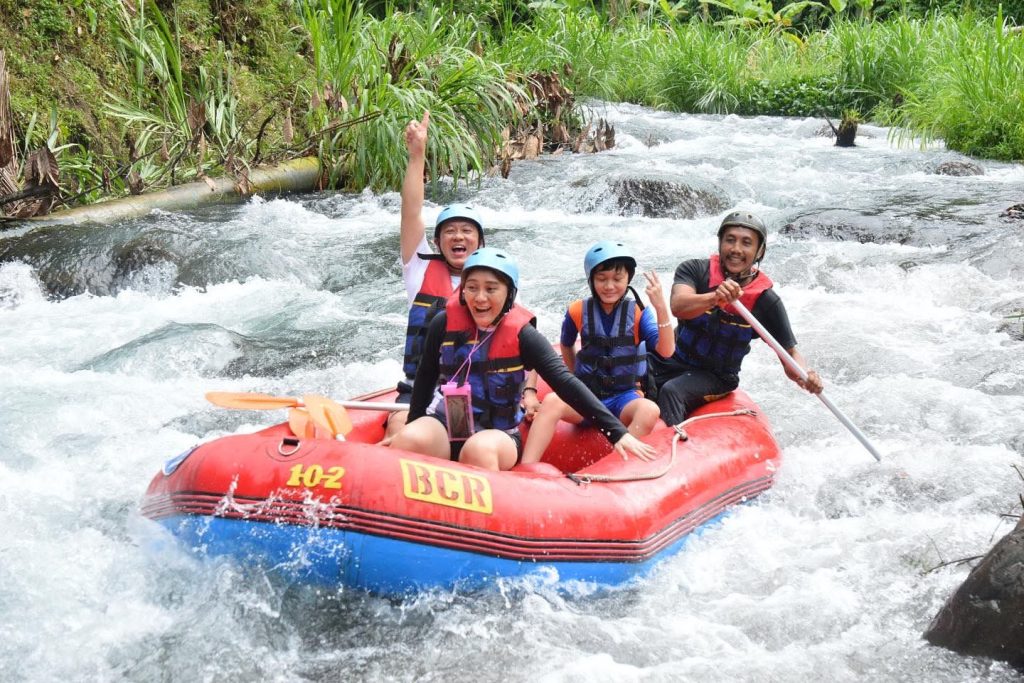
Experience Bali Telaga Waja Rafting Like a Pro
Bali Telaga Waja Rafting is an exciting choice for travelers looking for a memorable whitewater rafting adventure on the Island of the Gods. Located in Karangasem, eastern Bali, the Telaga Waja River is known for its relatively long rafting route, flowing rapids, and beautiful countryside scenery. Along the journey, participants can enjoy views of green rice fields, tropical vegetation, and mountain landscapes while experiencing the excitement of navigating the river.
For nature lovers, water sports enthusiasts, and travelers seeking an active holiday experience, rafting at Telaga Waja offers a combination of adventure and natural scenery. The river has sections with different levels of difficulty, although actual conditions depend on rainfall, water levels, and the route selected by the operator. Beginners may also be accepted by operators that accommodate them, provided they meet the participation requirements and follow the safety briefing.
Experiencing Telaga Waja Rafting like a pro does not mean taking unnecessary risks. It means being prepared, understanding the basic instructions, working with the guide, and making the most of every part of the journey. With the right preparation, participants can enjoy the adventure while respecting the river’s changing conditions.
Read More: Why Telaga Waja Rafting Must-try Experience In Your Lifetime
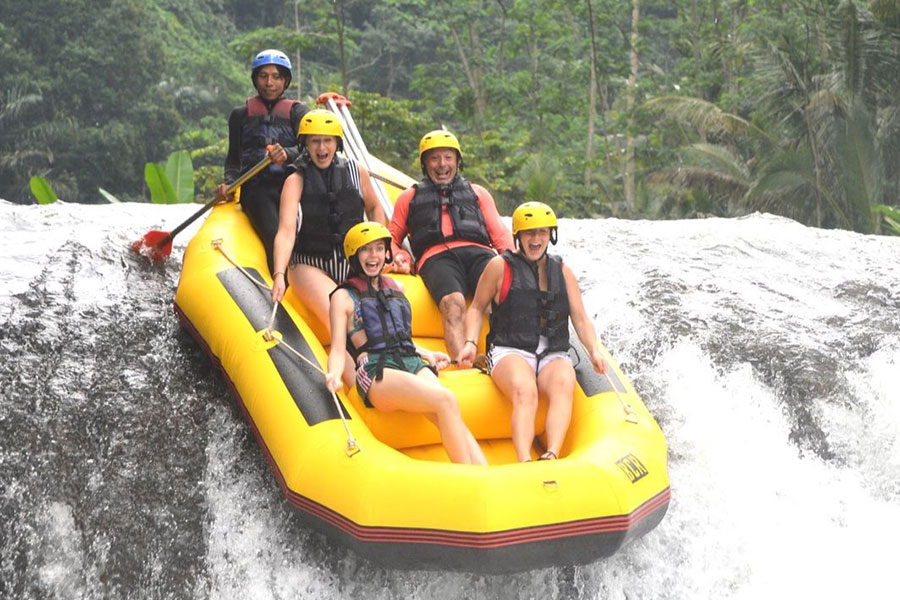
Why Is Bali Telaga Waja Rafting a Favorite Among Rafting Enthusiasts?
Telaga Waja is a popular destination for rafting in Bali because it combines a relatively long route, exciting rapids, and scenic natural surroundings. The route is commonly marketed at approximately 14 kilometers, giving participants an extended opportunity to experience the river and explore the countryside from the water.
River conditions, however, are not identical throughout the year. Rainfall and seasonal changes can affect water levels, current strength, and river appearance. These natural variations may influence the rafting experience, so participants should follow the operator’s advice about the conditions on their activity date.
Another reason visitors choose Telaga Waja is the range of services offered by local rafting operators. Depending on the selected package, facilities may include changing rooms, bathrooms, parking areas, meals, transportation, and insurance. Not every operator provides the same services, so it is important to check the package details before booking.
For travelers seeking an outdoor activity that combines physical participation with countryside scenery, Telaga Waja offers an engaging way to experience a different side of Bali.
Unique Challenges Offered by the Telaga Waja River
The Telaga Waja River offers a varied rafting experience, with sections of flowing water, bends, and rapids that create different challenges along the route. Its relatively long course gives participants opportunities to experience both active paddling sections and calmer stretches.
Some Unique Features of the Telaga Waja River
- A Relatively Long Rafting Route: The route is commonly advertised at around 14 kilometers. Its length allows participants to spend an extended period exploring the river, although the actual route and duration depend on the operator and river conditions.
- Changing River Sections: Participants may encounter different types of rapids and calmer stretches. This variety makes it important to listen to the guide and adjust paddling according to instructions.
- Natural Waterfalls and Streams: Some sections may feature small waterfalls or streams near the river. Their presence along a particular trip depends on the selected route.
- Rapids with Different Difficulty Levels: Certain sections are commonly described around Class II–III, while conditions and classifications may vary. Participants should not assume that every rapid has the same difficulty or that a particular grade applies throughout the river.
- Bamboo Bridges and Water Channels: Depending on the route, participants may see features of the surrounding village landscape, including bamboo structures and water channels. These elements add a local character to the scenery.
These features make the journey more than simply traveling downstream. Participants need to stay attentive, coordinate with the guide, and enjoy the changing river environment throughout the trip.
Rafting Guide for Families or Groups
Rafting at Telaga Waja can be an enjoyable outdoor activity for families and groups who want to share an adventure during their Bali holiday. Paddling together, responding to the guide’s instructions, and experiencing the river as a group can create memorable moments.
However, group trips require some preparation, especially when participants have different ages, physical abilities, and levels of rafting experience. Before booking, make sure the selected operator can accommodate everyone in the group.
Important Guidelines for Rafting with Families or Groups
- Choose a Suitable Operator: Ask about participant requirements, available raft capacity, and whether the operator can accommodate your group’s needs. Do not assume that every package accepts children or has special arrangements for families.
- Wear Appropriate Clothing and Equipment: Quick-drying clothes and secure footwear suitable for water activities are practical choices. Every participant should wear a properly fitted life jacket and helmet supplied by the operator.
- Pay Attention to the Pre-Rafting Briefing: All participants should understand the basic paddling instructions, seating positions, guide commands, and what to do if someone falls into the water. Children and first-time participants may need additional explanation.
- Prepare Clothes for After the Activity: Bring a change of clothes, a towel, and personal toiletries if you plan to use the changing or shower facilities.
- Consider Age and Medical Requirements: Operators may have minimum-age requirements and restrictions related to certain medical conditions. Share relevant information with the operator before booking and follow its participation guidance.
- Coordinate Group Arrangements in Advance: For larger groups, confirm the number of participants, preferred schedule, transportation needs, and any special requests before arrival. Final raft assignments should follow the operator’s arrangements and safety considerations.
With suitable planning, families and groups can focus on enjoying the adventure while allowing the rafting team to manage the activity safely.
The Advantages of Bali Telaga Waja Rafting Over Other Rivers in Bali
Bali has several rivers used for rafting activities, including the Ayung, Melangit, and Telaga Waja rivers. Each offers a different landscape and rafting experience. Telaga Waja is often chosen by visitors who prefer a relatively long route, varied rapids, and countryside scenery in eastern Bali.
What Makes Telaga Waja Stand Out Among Rafting Rivers in Bali?
- A Relatively Long Course: With a route commonly advertised at approximately 14 kilometers, Telaga Waja provides an extended rafting journey. Actual route lengths and activity times vary between operators.
- Changing Water Conditions: The river’s flow responds to rainfall and seasonal conditions. Rather than assuming that the current remains stable throughout the year, participants should check the latest conditions with their chosen operator.
- Varied Rapids: The river features sections with different levels of challenge. This variation can appeal to visitors who want an active experience, while the guide helps participants navigate the route according to current conditions.
- Countryside Scenery: The river passes through parts of Karangasem where participants may see rice fields, tropical vegetation, village surroundings, and mountain landscapes.
- An Eastern Bali Location: Telaga Waja offers an opportunity to explore a different part of the island. Its location outside major tourist hubs may appeal to travelers planning activities beyond the more frequently visited areas of southern Bali and Ubud.
Rather than being universally better than every other rafting destination, Telaga Waja has its own character. The best river for each visitor depends on preferred scenery, route length, difficulty, travel distance, and the type of adventure they want.
Conclusion: Make the Most of Your Telaga Waja Rafting Adventure
Experiencing Bali Telaga Waja Rafting like a pro is about combining preparation, teamwork, and an appreciation for the natural environment. Its relatively long route, changing rapids, and countryside scenery create an engaging outdoor adventure for visitors who want to explore Bali beyond its usual tourist attractions.
Whether you are planning a trip with friends, family, or a larger group, choosing a suitable operator and understanding the activity requirements can help make the experience more enjoyable. Pay attention to the safety briefing, use the equipment correctly, and follow your guide’s instructions throughout the journey.
With the right preparation and expectations, Telaga Waja Rafting can become a memorable part of your Bali holiday, bringing together the excitement of whitewater rafting and the beauty of the island’s eastern countryside.
Frequently Asked Questions
1. Does the Telaga Waja rafting experience require participants to paddle continuously?
No. Paddling depends on the river section and the guide’s instructions. There may be periods when participants need to paddle actively and other moments when they can rest while the guide navigates the raft. Always follow the guide’s commands rather than deciding independently when to paddle.
2. What does it mean to experience rafting like a pro?
It means being prepared, paying attention to the safety briefing, understanding basic paddling instructions, and cooperating with the guide and other participants. Previous rafting experience can be helpful, but it does not replace the need to follow instructions on every trip.
3. Can a group request a particular rafting departure time?
Groups can ask the operator about available departure schedules when making a reservation. Availability may depend on the operator’s daily arrangements, group size, and river conditions. It is best to confirm the schedule in advance rather than assume a preferred time is guaranteed.
4. Are all participants in a large group guaranteed to use the same raft?
No. Raft assignments depend on the number of participants, raft capacity, and the operator’s safety arrangements. Larger groups may need to be divided into several rafts, even when they book the same activity together.
5. What information should a group organizer provide when booking?
The organizer should provide the total number of participants, their approximate ages, preferred activity date, transportation requirements, and any relevant medical or accessibility considerations. This helps the operator assess whether the selected package is suitable and prepare the necessary arrangements.
6. Can experienced rafters choose a more challenging section of the river?
Participants can ask the operator about the route and the difficulty of its sections. However, route selection and navigation depend on the operator’s arrangements and prevailing river conditions. Individual participants should not attempt to choose or navigate rapids independently.
7. Why might the same Telaga Waja rafting trip feel different on another visit?
Natural river conditions change with rainfall, water levels, and seasonal patterns. These factors can affect the appearance of the water and the character of the rapids. Even when using the same operator, participants may notice differences between visits.
8. What should participants do if they are unsure about a guide’s instruction?
Ask the guide to explain the instruction again before the activity begins or whenever clarification is possible. Understanding commands is important for coordinating the raft and responding appropriately to changing river conditions. Participants should never guess or ignore an instruction they do not understand.