
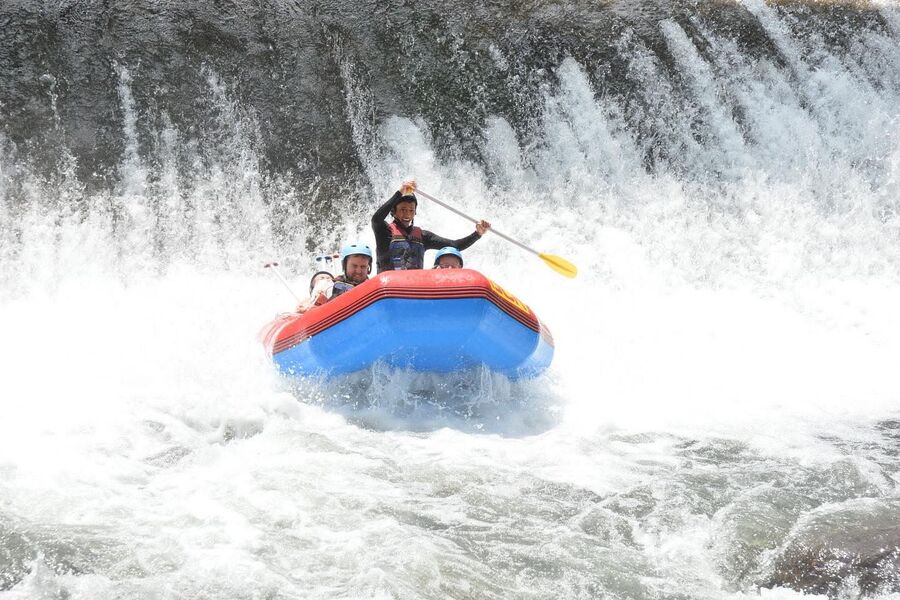
Telaga Waja Rafting: The Right Choice For Team Building
Telaga Waja Rafting is an exciting option for companies looking to strengthen teamwork through an outdoor adventure. Located in Karangasem, Bali, Telaga Waja River offers a combination of flowing rapids, beautiful natural scenery, and varied river sections. Beyond the excitement of navigating the river, rafting provides an opportunity for colleagues to practice communication, cooperation, and trust in a different environment.
During a rafting trip, participants need to listen to instructions, coordinate their paddling, and respond to the guide’s directions. These shared responsibilities create practical opportunities to experience teamwork outside the usual office setting. Colleagues who rarely work together directly may also have the chance to interact and support one another throughout the activity.
Rafting can also create enjoyable moments that help employees connect on a more personal level. Sharing challenges, appreciating the surrounding scenery, and celebrating the completion of the journey can contribute to a positive group experience. With suitable planning, Telaga Waja Rafting can become a memorable part of a company’s team building program.
Read More: Complete Guide To Rafting Telaga Waja For Families
Why Is Telaga Waja Rafting Suitable for Team Building?
Rafting activities in Bali offer more than physical excitement. For companies, a group rafting trip can provide a setting where employees practice working together, communicate under changing conditions, and support colleagues with different levels of experience.
When participants share a raft, they need to coordinate their movements and follow the guide’s instructions. Each person’s contribution helps the group respond to the river conditions. This makes rafting a practical outdoor activity for exploring several important aspects of teamwork.
Here are some reasons why Bali Rafting Adventure can be considered for a team building program:
- Train Effective Communication: Participants need to listen carefully to the guide and respond to instructions. Clear communication helps everyone understand their responsibilities during the trip.
- Enhance Cooperation: Bali Rafting Tour requires participants to coordinate their paddling when instructed. This reflects how collaboration and shared effort contribute to achieving a common goal.
- Face Challenges Together: Navigating different river sections gives colleagues an opportunity to support one another and experience a shared challenge.
- Foster Mutual Trust: Participants rely on the guide’s directions and cooperate with the other people in their raft. This shared experience can help strengthen trust among colleagues.
- Boost Team Morale: Completing an outdoor activity together can create a sense of achievement and provide a refreshing break from everyday office routines.
Coordination and Cooperation in Fast Currents
Coordination and cooperation are essential during a rafting trip, particularly when the raft passes through sections with stronger currents. Rafting Tour in Bali involves more than individual paddling skills. Participants must work together while following the guide’s instructions and adjusting to the changing river conditions.
This shared activity can demonstrate how different individuals contribute to a common objective. It also gives teams an opportunity to recognize the importance of listening, responding, and supporting one another.
Some aspects of coordination and cooperation that participants can experience during rafting include:
- Synchronization of Paddling Movements: Participants follow the guide’s directions and coordinate their paddling when needed. Working in rhythm helps the group contribute effectively to the raft’s movement.
- Joint Responses to Unexpected Situations: River conditions can change along the route. Participants learn to remain attentive, listen to instructions, and respond appropriately rather than acting independently.
- Understanding Leadership Roles: The guide leads the raft and gives instructions, while participants contribute by following directions and communicating clearly. This helps demonstrate the importance of leadership and teamwork.
- Giving Physical and Mental Support: Encouraging colleagues and helping one another when getting into or out of the raft can create a stronger sense of group support.
- Evaluating the Experience Together: After rafting, teams can discuss what went well, which moments required cooperation, and how the experience relates to their daily working relationships.
Sharpening Leadership on the River During Telaga Waja Rafting
Rafting at Telaga Waja can provide an interesting setting for observing leadership and group dynamics. During the activity, participants need to pay attention to instructions, remain aware of their surroundings, and cooperate with the rest of the raft.
It is important to understand that the professional rafting guide is responsible for directing the boat and providing safety instructions. Participants should not take over the guide’s role or make independent decisions that could affect the safety of the group. Instead, the activity offers an opportunity to practice supportive leadership through listening, encouraging others, and maintaining a cooperative attitude.
The experience can also encourage participants to become more confident when communicating with colleagues. Someone who helps motivate the group, listens to different opinions, or supports a nervous teammate demonstrates valuable interpersonal skills. These behaviors are relevant to workplace leadership, where effective leaders need to understand their team’s needs and appreciate individual contributions.
After the trip, companies can use a short discussion session to connect the rafting experience with workplace situations. For example, employees can reflect on how communication influenced their cooperation and what they learned about supporting colleagues during challenging moments.
Telaga Waja Rafting: The Right Choice For Team Building
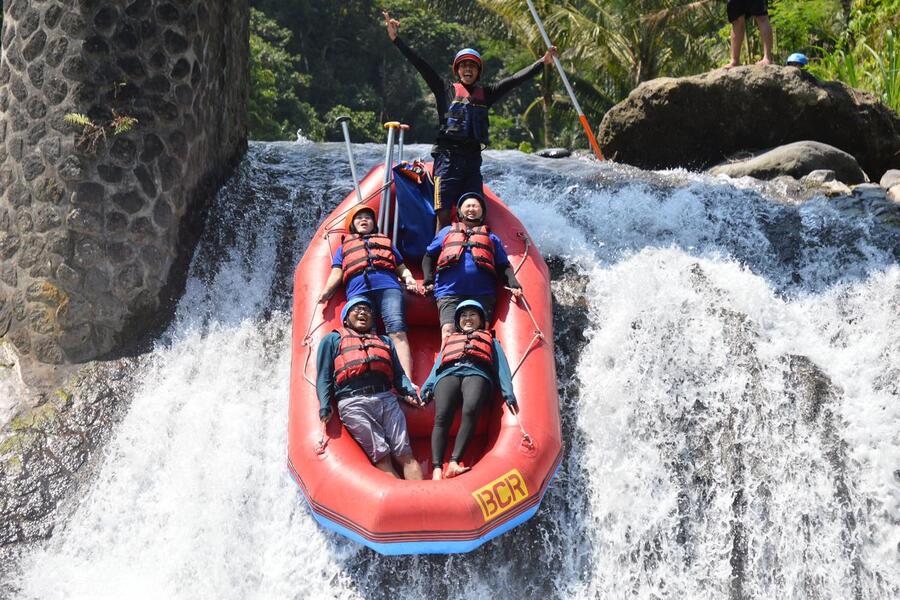
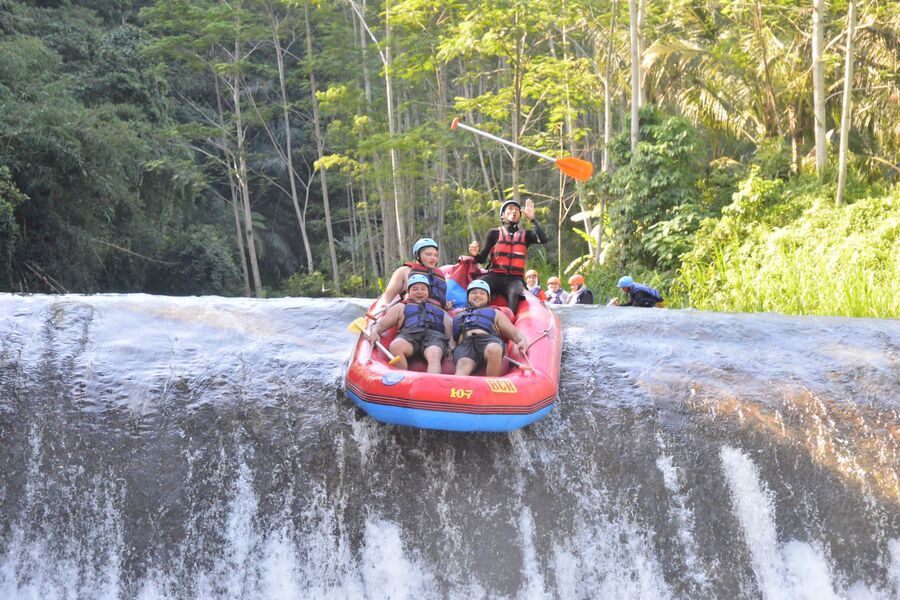
Ice Breaking Before and After Telaga Waja Rafting
Ice breaking activities can help participants feel more comfortable before starting a team building program. They create opportunities for employees to interact, especially when colleagues come from different departments or do not usually work together.
For a company event involving Telaga Waja Rafting, ice breaking can be arranged as an additional activity before or after the river trip. These sessions should be planned separately with the event organizer or rafting operator, as they may not automatically be included in every rafting package.
Here are some examples of ice breaking activities that companies can consider:
- Dynamic Introductions: Ask participants to introduce themselves with an interesting fact, a simple gesture, or a lighthearted personal story. This helps create a relaxed atmosphere before the main activity.
- Light Collaborative Games: Organize simple group challenges that require participants to communicate and work together. These games can help employees interact before entering the river.
- Post-Rafting Reflection: Invite participants to share their most memorable moments and discuss how they supported one another during the activity. This can connect the outdoor experience with the company’s teamwork objectives.
- Team Appreciation Session: Give participants an opportunity to recognize colleagues who offered encouragement, communicated clearly, or helped create a positive group atmosphere.
- Water-Themed Fun Games: If a suitable area and facilities are available, organizers can arrange simple water-themed games on the riverbank. Make sure these activities are conducted in an appropriate location and do not interfere with rafting operations.
Conclusion
Telaga Waja Rafting is more than an outdoor adventure. It offers companies an opportunity to bring employees together in a natural setting while encouraging communication, cooperation, leadership, and mutual support. By sharing the experience of navigating the river, colleagues can build connections outside their usual workplace routines.
For companies looking for a refreshing team building activity in Bali, rafting at Telaga Waja can be a worthwhile option. To make the program meaningful, consider combining the rafting experience with planned ice breaking activities and a short reflection session afterward. This allows participants to connect what they experienced on the river with the teamwork and communication needed in their daily work.
With appropriate preparation, a suitable rafting package, and clear event objectives, Telaga Waja Rafting can become an enjoyable group experience that employees remember long after returning to the office.
Frequently Asked Questions
1. How should a company divide employees into rafting teams?
Companies can organize participants based on the operator’s raft capacity and activity arrangements. Mixing employees from different departments may encourage interaction between colleagues who do not usually work together. However, the final group arrangement should also consider participant comfort, physical requirements, and the operator’s safety recommendations.
2. Can a company organize a team building event for a large number of employees?
A large group may be able to participate through multiple rafts and coordinated departure arrangements. Companies should contact the operator in advance to discuss group capacity, scheduling, registration, and any additional event requirements. Early coordination helps the organizer plan the activity more effectively.
3. What should a company consider when choosing a rafting package for team building?
Consider the number of participants, activity duration, transportation arrangements, meal options, facilities, and the services included in the package. Companies should also confirm whether the operator can accommodate their preferred schedule and group arrangements. Do not assume that additional team building sessions are automatically included.
4. Can employees who are not confident in water activities still join?
Employees who feel nervous should discuss their concerns with the organizer and rafting operator before the event. The operator can explain the activity, participation requirements, and safety procedures. However, nobody should be pressured to participate if they do not meet the requirements or feel uncomfortable joining.
5. How can a company connect the rafting experience with its workplace goals?
A company can prepare a short reflection session after the activity. Participants may discuss how they communicated, responded to instructions, supported colleagues, and handled shared challenges. A facilitator can then connect these observations with workplace situations such as collaboration, problem-solving, and communication between departments.
6. Is it better to schedule team building activities before or after rafting?
Both options can work, depending on the event’s objectives and schedule. Short ice breakers before rafting can help participants become familiar with one another, while reflection and appreciation sessions afterward can help them discuss what they experienced. More physically demanding games should be planned carefully so they do not interfere with the rafting schedule or participant safety.
7. Can companies include their own facilitator in the rafting team building program?
Companies can ask the operator whether an external facilitator is permitted and how the facilitator can coordinate with the rafting team. A facilitator may help lead discussions, organize activities outside the river, and connect the experience with the company’s objectives. All arrangements should follow the operator’s safety procedures.
8. What information should an HR team collect before arranging a company rafting trip?
An HR team should prepare the estimated number of participants, preferred activity date, schedule, transportation needs, and relevant participant requirements. It is also useful to identify any health concerns or accessibility needs that should be discussed confidentially with the operator. These details help the company plan a more suitable event and avoid last-minute arrangements.