
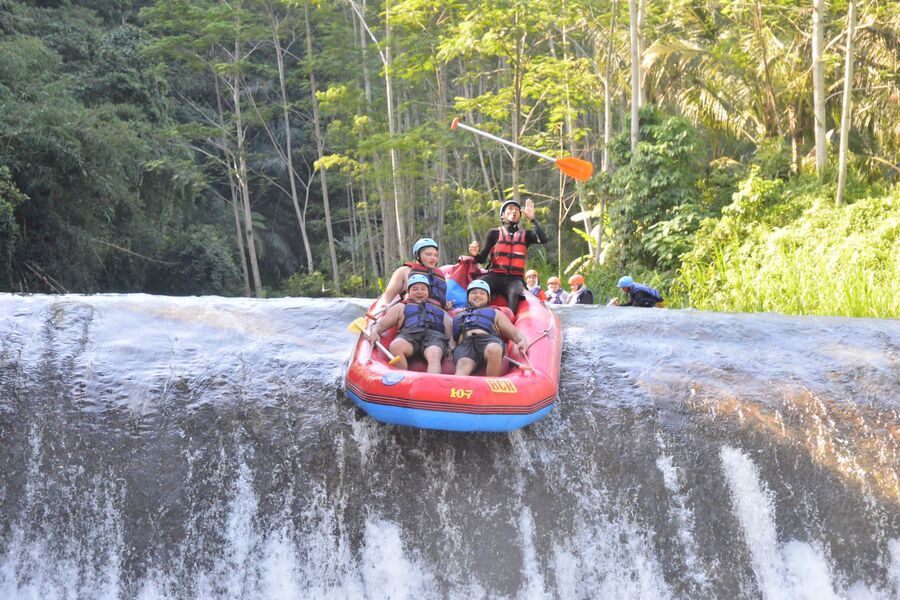
Complete Guide To Rafting Telaga Waja For Families
Rafting Telaga Waja can be an exciting outdoor activity for families visiting Bali. Located in the natural surroundings of Karangasem, the river offers a combination of rapids, scenic landscapes, and opportunities for family members to work together. For families who enjoy outdoor adventures, rafting in Bali can create memorable moments beyond the usual sightseeing experience.
A rafting trip on Telaga Waja brings together excitement, teamwork, and time spent in nature. Family members can participate by following the guide’s instructions, coordinating their paddling, and enjoying the changing river scenery along the way. Experienced guides and appropriate safety equipment are essential parts of the activity, although rafting always involves natural risks that participants should understand before joining.
The river also has sections where the current is relatively calmer, offering opportunities to appreciate the surrounding landscape between rapids. However, conditions can vary depending on rainfall, water levels, and the selected route. Families should choose an operator and package that match the ages, abilities, and physical condition of everyone participating.
Read More: The Attraction At Telaga Waja River For Adrenaline Lovers
Is Telaga Waja Rafting Suitable for Children and the Elderly?
One common question among families is whether children and older adults can participate in rafting activities at Telaga Waja. The answer depends on the participant’s physical condition, the operator’s minimum age and health requirements, and the river conditions on the scheduled day.
Some rafting operators may accept children from around seven years old, but the minimum age is not universal. Parents should confirm the specific age policy, route conditions, and supervision requirements directly with the operator before making a reservation. Children should also be comfortable with water activities and able to follow the guide’s instructions.
Older adults may also be able to participate, depending on their mobility, fitness, and overall health. However, rafting can involve sudden movements, strong currents, physical effort, and unexpected impacts. Anyone with a heart condition, balance problems, mobility limitations, or other relevant medical concerns should consult a healthcare professional and disclose their condition to the operator before joining.
Safety equipment such as helmets and properly fitted life jackets should be provided, along with a clear safety briefing. A qualified guide will accompany the raft and explain how participants should respond during the trip. Nevertheless, no rafting activity is completely risk-free, so families should never assume that every participant is automatically suitable.
Physical and Mental Preparation for Families
Preparing before a rafting trip can help family members feel more comfortable and enjoy the experience. This is particularly important when the group includes children or people who have never tried rafting before.
- Check everyone’s health condition: Make sure each family member is physically capable of participating. Inform the operator about relevant medical conditions, injuries, or physical limitations before the activity.
- Have a suitable meal beforehand: A light meal can help provide energy before rafting. Avoid eating too much immediately before entering the river, especially if someone is prone to motion sickness or nausea.
- Wear comfortable clothing: Choose lightweight clothing that allows easy movement and dries relatively quickly. Sturdy sandals with secure straps or suitable water shoes are preferable to loose footwear.
- Prepare children for the experience: Explain that the raft will move through different sections of the river and that splashes and exciting moments are part of the activity. Encourage children to listen carefully to the guide rather than trying to predict or control the raft themselves.
- Discuss the experience as a family: Let everyone share their expectations and concerns before the trip. This can help children and first-time participants feel more prepared.
- Follow the guide’s instructions: Pay attention during the safety briefing and follow directions throughout the activity, including when entering or leaving the raft.
Duration and Mileage of Rafting Telaga Waja
The route length and time spent rafting are important considerations when planning a family activity. Telaga Waja is known for offering a relatively long rafting experience, but the exact distance and duration depend on the operator, starting and finishing points, route selection, and river conditions.
Here are some general details to consider:
- Rafting duration – approximately 2 to 2.5 hours: This is an indicative estimate of time on the river for some packages. The total activity may take longer when preparation, safety briefings, transfers, and post-rafting arrangements are included.
- Distance – approximately 14 kilometers: Some operators advertise routes of around 14 kilometers. The actual distance may differ depending on the package and route used.
- Morning departures – often available: Some operators offer morning schedules, including departures around 09:00–11:00 AM. This can be convenient for families who want to plan other activities later in the day. However, the available departure times and river conditions should be confirmed directly with the operator.
Because a rafting trip can take several hours from preparation to completion, families should allow enough time in their Bali itinerary rather than scheduling another activity too closely afterward.
Complete Guide To Rafting Telaga Waja For Families
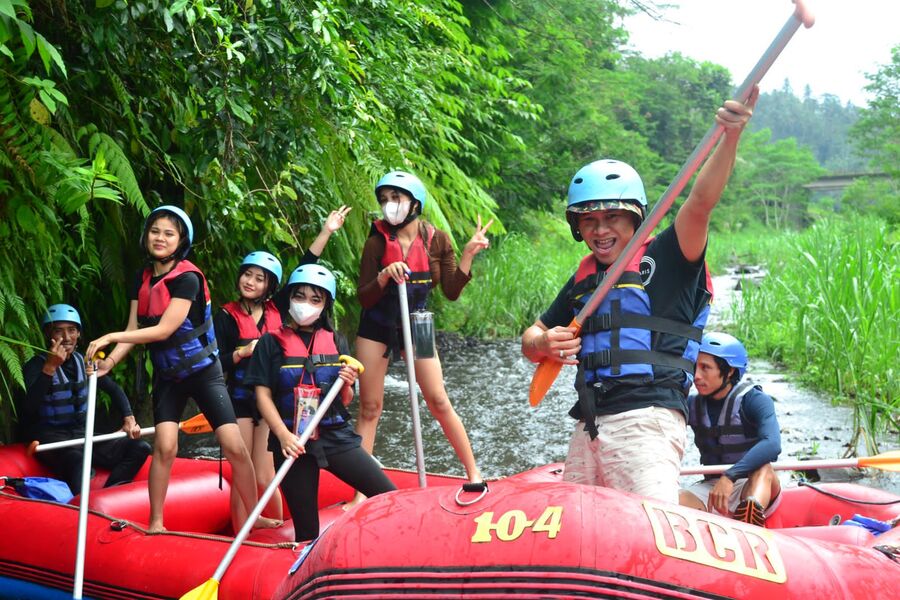
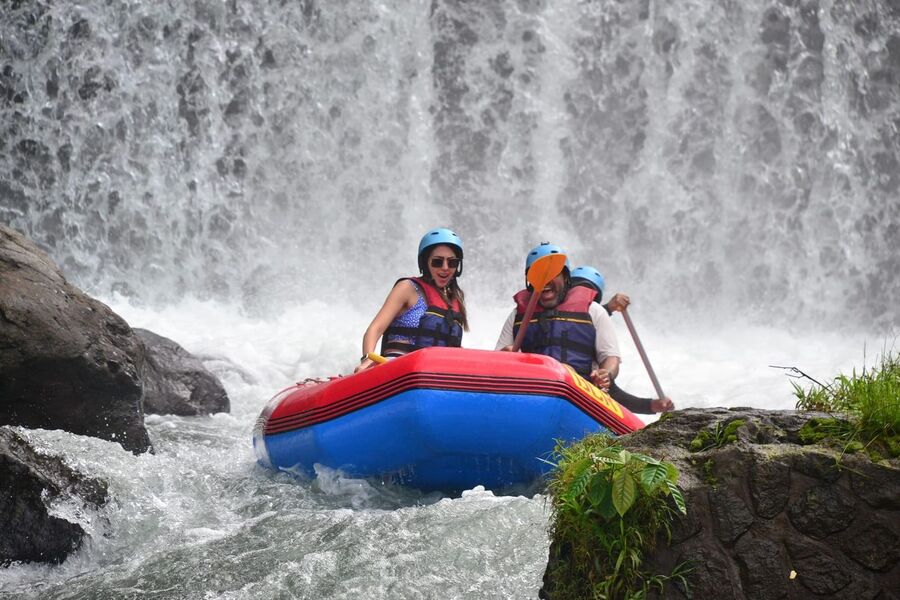
Do’s and Don’ts of Rafting Telaga Waja
Before starting a rafting adventure on Telaga Waja River, families should understand what to bring and what to leave behind. Packing appropriately helps keep personal belongings organized and reduces unnecessary distractions during the activity.
What to Bring
- A change of clothes: Participants will get wet during rafting, so bring clean clothes to wear afterward. A towel is also useful.
- Waterproof sun protection: Apply suitable sunscreen before the activity to help protect your skin from sun exposure.
- A waterproof camera (optional): If you want to capture the experience, use suitable waterproof protection and secure the device properly. Only take photos when the guide confirms that it is safe to do so.
- Personal medication: Bring essential medication that you may need after the activity. Inform the operator in advance about relevant medical requirements.
What Not to Bring
- Non-waterproof electronics: Regular mobile phones, cameras, and other electronic devices can be damaged by water. Leave them in a secure place or use appropriate waterproof protection.
- Jewelry and valuables: Rings, necklaces, watches, and other valuables can become lost or damaged during the trip.
- Large bags: Bulky bags are inconvenient during rafting and may interfere with movement. Keep larger belongings in the storage area provided by the operator, if available.
- Food and drinks in open containers: These can spill during the activity and create unnecessary waste. Follow the operator’s rules about bringing refreshments onto the river.
Conclusion
Rafting Telaga Waja can be a memorable outdoor adventure for families who want to experience Bali beyond its beaches and popular attractions. The combination of river rapids, natural scenery, and teamwork creates an opportunity for family members to share an experience that is both exciting and engaging.
However, a successful family rafting trip begins with choosing an appropriate operator and checking the requirements for every participant. Parents should confirm the minimum age, health restrictions, route details, and expected activity duration before booking. Children and older adults should only participate when they meet the operator’s requirements and are physically suitable for the activity.
With proper preparation and realistic expectations, families can enjoy the adventure while respecting the river’s conditions and following the guide’s instructions. It is a chance to spend quality time together, discover the natural side of Karangasem, and create lasting memories during a Bali holiday.
Frequently Asked Questions
1. Should families choose a private raft or join a shared raft?
This depends on the size of the family and the arrangements offered by the operator. A private raft may allow family members to share the same boat when the group meets the operator’s passenger requirements. For smaller families, joining other participants may be necessary. Ask the operator about seating arrangements before booking.
2. Can family members with different rafting experience levels join the same trip?
They may be able to join the same trip if everyone meets the operator’s requirements. Previous rafting experience is not always necessary, but all participants should be comfortable following instructions and working together. Families should discuss individual concerns with the operator before the activity.
3. How can parents help children feel more confident before rafting?
Parents can explain the activity in simple terms, describe what children may experience on the river, and remind them that the guide will provide instructions. It can also help to avoid making the adventure sound frightening or overly challenging. Children should feel comfortable asking questions before the trip begins.
4. What if one child in the family does not want to participate?
A child should never be pressured to join if they feel uncomfortable or frightened. Families can discuss alternative arrangements with the operator, such as whether a non-participating family member can wait at the activity base. Availability of waiting areas and other arrangements should be confirmed in advance.
5. Is rafting a good activity for families celebrating a birthday or special occasion?
Rafting can be an enjoyable way to celebrate a birthday or family gathering, especially for groups who enjoy outdoor activities. Families can ask the operator whether group arrangements or special requests are available. Any additional services should be confirmed before the reservation.
6. Can families split into different rafts and still enjoy the same rafting session?
This may be possible depending on the group size, boat capacity, and operator’s arrangements. Families can ask whether multiple rafts can depart within the same scheduled session. Even when participants are in separate boats, everyone should follow their own guide’s instructions throughout the route.
7. What should families plan after finishing the rafting activity?
Allow time to change clothes, freshen up, have a meal if it is included or available, and rest after the activity. Since rafting can be physically demanding, avoid planning a tight schedule immediately afterward, particularly when traveling with children or older family members.
8. How can families make the rafting experience enjoyable for everyone?
The best approach is to consider each family member’s comfort and expectations. Choose a suitable package, communicate any concerns to the operator, and encourage everyone to cooperate during the activity. Rather than focusing only on the most exciting parts, families can enjoy the scenery, teamwork, and shared experience along the river.