
Know the Advantages of Telaga Waja Rafting Now!
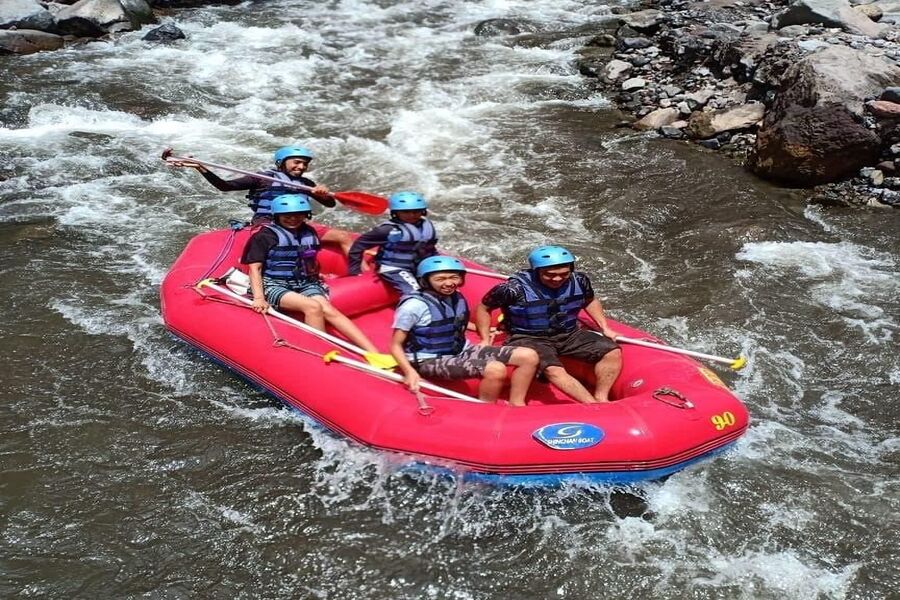
Telaga Waja Rafting is a popular choice for water sports enthusiasts and adventure seekers who want to experience the excitement of rafting in Bali. Located in Karangasem Regency in eastern Bali, the Telaga Waja River is known for its flowing currents, relatively long rafting route, and scenic natural surroundings.
Compared with other rafting destinations in Bali, including the Ayung River in Ubud and the Melangit River in Klungkung, Telaga Waja offers a distinctive combination of river challenges and countryside scenery. Its rapids, changing water conditions, and varied landscapes create an engaging experience for visitors who want to explore Bali beyond its beaches.
Understanding the advantages of Telaga Waja Rafting can help you decide whether this river suits your interests, experience level, and travel plans.
1. A Long Rafting Route With Plenty to Explore
One of the main advantages of Telaga Waja Rafting is its relatively long route. Depending on the operator and selected package, the rafting journey may cover approximately 14–16 kilometers and take around 2–3 hours on the water.
The extended route gives participants more time to experience different sections of the river. Along the way, they may encounter winding passages, flowing rapids, rocky sections, and calmer stretches where they can appreciate the surrounding landscape.
Rather than focusing only on the thrill of navigating the rapids, participants can enjoy a varied outdoor adventure throughout the journey. The combination of water activities and natural scenery makes Telaga Waja an appealing option for travelers who want more than a short rafting experience.
Actual route lengths and durations can vary, so check the details with your chosen operator before booking.
For another perspective on planning your adventure, read Find the Best Time to Try Rafting in Telaga Waja!.
2. Challenging Currents for an Adrenaline-Filled Adventure
Telaga Waja River is known for its exciting rapids and flowing current, which can make rafting here feel particularly adventurous. The route includes sections that require participants to listen carefully to their guide, coordinate their paddling, and respond to changing river conditions.
Compared with the generally gentler sections commonly associated with Ayung River rafting, some parts of Telaga Waja may offer a more demanding experience. However, the difficulty of either river depends on the specific route, water level, weather, and operating conditions.
During the journey, participants may navigate rapids, turns, and rocky passages that require teamwork and attention. Following the guide’s instructions is essential for moving through these sections as safely as possible.
Rafting operators generally provide essential equipment, such as helmets and life jackets, and a guide to lead the trip. Confirm the equipment, participant requirements, and safety procedures included in your selected package before making a reservation.
Telaga Waja can be an attractive option for travelers seeking an active river adventure, but the suitability of the route depends on individual abilities and the conditions on the day.
3. Spectacular Mountain and Countryside Scenery
The natural landscape surrounding Telaga Waja River is another reason visitors choose this rafting destination. The journey takes participants through parts of Bali’s countryside, where green hills, terraced rice fields, tropical vegetation, and rocky riverbanks contribute to the scenery.
Depending on the route and current conditions, participants may also see small waterfalls or streams flowing toward the river. These natural features add variety to the journey and create opportunities to appreciate Bali’s landscape from a different perspective.
The sound of moving water and the surrounding vegetation can make the experience feel distinct from the busier tourist areas of the island. Instead of simply observing the countryside from a road or viewpoint, participants travel through the river landscape as part of the activity.
For photography enthusiasts, the scenery may provide memorable photo opportunities. However, photography should never interfere with paddling, following instructions, or maintaining a secure position in the raft. Ask the operator about safe opportunities to take pictures during the trip.
4. Flowing River Water and a Natural Environment
Telaga Waja River is often appreciated for its flowing water and natural surroundings. Its water conditions can vary with rainfall, season, and activity upstream, so the river’s appearance may differ from one visit to another.
Mountain watersheds contribute to the river system, while rainfall and local environmental conditions influence water levels, clarity, and flow. As a result, it is better not to assume that the water will always be crystal clear or entirely free from pollution.
For rafting participants, the river’s flowing water is part of the adventure. Splashes and getting wet are normal aspects of the activity, so wearing suitable clothing and following the guide’s instructions can help make the experience more comfortable.
Although the natural setting is a major attraction, participants should avoid drinking untreated river water. They should also help protect the environment by keeping rubbish out of the river and following the operator’s guidance about appropriate behavior along the route.
Respecting the river and its surroundings helps preserve the experience for future visitors.
5. The Excitement of a Steep River Drop
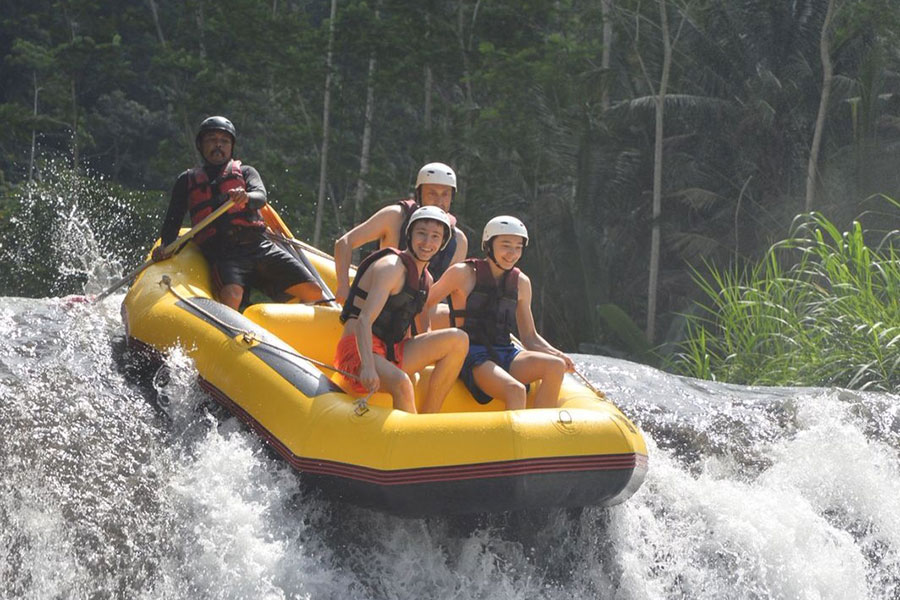
One of the features often associated with Telaga Waja Rafting is a steep descent along the river that creates a sudden change in the raft’s movement. Depending on the route and current conditions, this section can provide one of the most memorable moments of the journey.
Some descriptions of Telaga Waja Rafting refer to a drop of approximately four meters, although the exact feature, height, and route may differ by operator. Confirm whether this descent is included in your chosen package rather than assuming every rafting trip follows the same route.
Approaching a steep section requires participants to pay close attention to the guide’s instructions. Coordinated paddling, the correct body position, and following the safety briefing are important parts of navigating the river.
For adventure seekers, this type of descent can add excitement to an already varied rafting trip. However, it should not be treated as a ride that is guaranteed to feel the same every time. Water levels, route arrangements, and operational decisions can influence how the section is experienced.
The combination of flowing rapids, changing terrain, and a memorable descent is one reason Telaga Waja remains a popular choice among travelers interested in rafting in Bali.
Conclusion
Telaga Waja Rafting combines a relatively long river route, exciting rapids, countryside scenery, flowing water, and memorable river descents. These features make it an appealing destination for travelers who want to experience Bali through an outdoor adventure rather than limiting their itinerary to beaches and cultural attractions.
The river’s character can change with rainfall, water levels, and route conditions, so the experience may differ between visits. Before booking, consider your comfort level with adventure activities, check the operator’s participant requirements, and confirm which features are included in the route.
If you are looking for an active way to explore Bali’s natural surroundings, Telaga Waja River Rafting is worth considering. Contact your chosen operator for current package details, availability, and safety information before planning your trip.
Frequently Asked Questions (FAQ)
1. What makes the Telaga Waja rafting route different from a short rafting trip?
The route is relatively long, often covering approximately 14–16 kilometers depending on the operator. This allows participants to experience a variety of river sections during one trip, although the actual distance and duration should be confirmed when booking.
2. Will I experience the same rapids throughout the entire Telaga Waja route?
No. The route generally includes a mixture of faster-moving sections, rapids, turns, and calmer stretches. The intensity of each section can change depending on water levels and other river conditions.
3. Is Telaga Waja Rafting more challenging than Ayung River Rafting?
Some sections of Telaga Waja may feel more demanding than the routes commonly offered on the Ayung River. However, difficulty depends on the selected route, current water conditions, and the participant’s experience. Compare the specific packages and ask each operator about the expected level of difficulty before deciding.
4. Can I see rice terraces and waterfalls during the rafting trip?
The surrounding countryside may include terraced rice fields, vegetation, and small waterfalls or streams. What you can see depends on the route, season, water conditions, and visibility, so individual features are not guaranteed on every trip.
5. Is the steep descent included in every Telaga Waja rafting package?
Not necessarily. Routes and operating arrangements may differ between providers. Ask the operator whether the descent is included in the selected package and whether current river conditions could affect access to that section.
6. Does clear-looking river water mean it is safe to drink?
No. Water that appears clear may still contain microorganisms or other contaminants. Do not drink untreated river water during the activity; bring drinking water or use the refreshments provided by your operator.
7. What should I compare when choosing between Telaga Waja rafting operators?
Compare the route and estimated duration, included safety equipment, guide arrangements, participant requirements, transportation options, and any meals or facilities included in the package. Also check the operator’s cancellation policy and how it handles changes caused by weather or river conditions.
8. How can participants help protect the natural surroundings during rafting?
Keep rubbish secured and dispose of it in designated bins, avoid disturbing wildlife, and follow the guide’s instructions around riverbanks and other natural features. Responsible behavior helps protect the river environment and maintain its appeal for future visitors.