
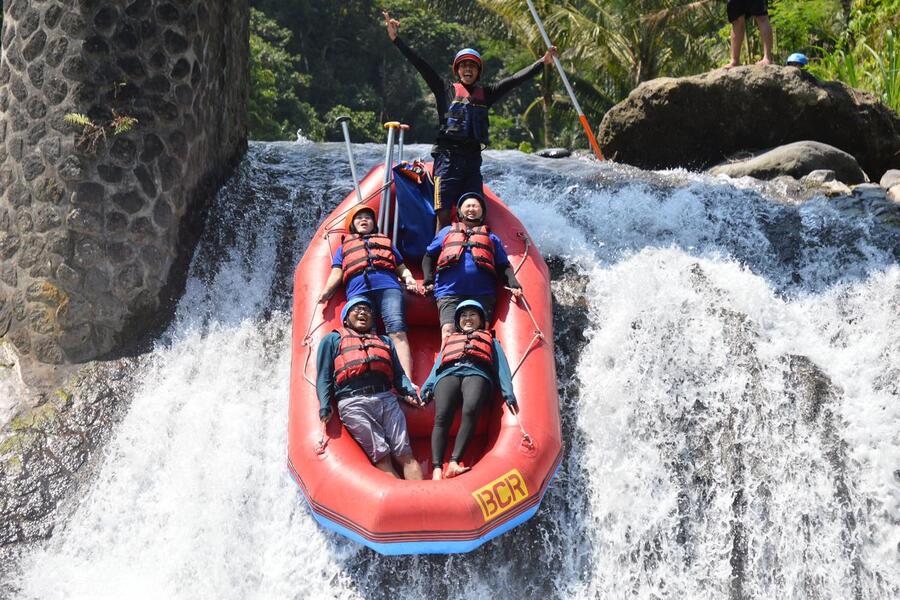
Find the Best Time to Try Rafting in Telaga Waja!
Rafting in Telaga Waja is one of the popular adventure activities in Bali, attracting travelers who want to experience the island’s natural beauty from a different perspective. Located in Karangasem Regency, the Telaga Waja River features a long rafting route, commonly advertised at approximately 14–16 km depending on the operator, with exciting rapids and beautiful riverside scenery.
Surrounded by green hills, terraced rice fields, tropical vegetation, and occasional small waterfalls, Telaga Waja River Rafting offers an outdoor adventure for visitors seeking a combination of excitement and nature. However, the experience can vary depending on rainfall, water levels, weather conditions, and departure time.
Understanding these factors can help you choose a suitable time for your rafting trip and prepare for a more comfortable experience.
Some Advantages of Rafting on Telaga Waja River
Telaga Waja River offers several features that make it an appealing destination for rafting in Bali.
- Varied River Conditions: The route includes a combination of rapids and calmer sections. The difficulty of the river can change depending on water levels and weather conditions.
- Beautiful Natural Scenery: Enjoy views of green hills, rice fields, tropical vegetation, and other natural features along the river.
- A Relatively Long Rafting Route: Depending on the operator and route, the journey may cover approximately 14–16 km, providing an extended outdoor adventure.
- A Guided Outdoor Activity: Professional guides provide instructions and help participants navigate the river. However, suitability depends on the participant’s age, health, swimming ability where required by the operator, and the day’s river conditions.
Choosing the right season and departure time can help you enjoy these features while preparing for the conditions you may encounter.
Differences in River Conditions During the Rainy and Dry Seasons
The rainy and dry seasons can create different rafting conditions on Telaga Waja River. However, seasonal patterns are not exact, and the river’s actual water level and current conditions are more important than the calendar alone.
Rainy Season (Generally November–March)
During Bali’s rainy season, rainfall can increase the river’s water volume and change the speed and strength of its current.
- Potentially Stronger Currents: Increased rainfall may raise water levels and make some rapids more challenging.
- A Faster-Paced Adventure: Depending on the conditions, participants may experience stronger currents and more active sections along the route.
- Lush Green Scenery: Frequent rainfall can make the surrounding vegetation appear greener and more vibrant.
- Greater Need for Weather Awareness: Heavy rain and changing river conditions may affect safety. Operators may adjust departure schedules or suspend trips when conditions are unsuitable.
The rainy season may appeal to experienced adventure seekers who enjoy dynamic river conditions. Nevertheless, rafting should only proceed when the operator confirms that conditions are appropriate. A rainy-season trip is not automatically more exciting or suitable for every participant.
Dry Season (Generally April–October)
The dry season often brings less frequent rainfall, although conditions can still vary from day to day.
- Potentially More Predictable Weather: Days with less rainfall may make planning outdoor activities easier.
- Conditions That May Feel More Manageable: Depending on the river’s water level, some sections may have gentler currents than during periods of heavy rain.
- Opportunities to Enjoy the Scenery: Favorable weather can make it easier to appreciate the green hills, rice fields, and natural surroundings.
- Comfortable Trip Planning: Travelers may find it easier to coordinate rafting with other sightseeing activities when weather conditions are favorable.
The dry season can be a good option for travelers who prioritize more predictable weather. However, it does not guarantee calm currents, clear water, or completely rain-free conditions.
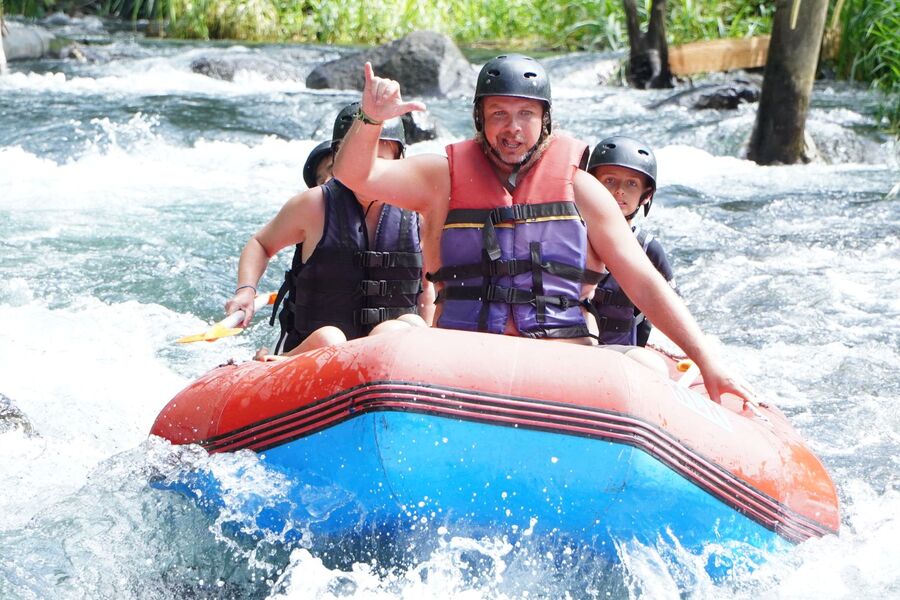
Different Experiences Offered in Each Season
The season can influence the atmosphere and conditions of your rafting adventure, making it worth considering when planning a trip.
Rafting During the Rainy Season
The rainy season may offer a different experience for travelers who enjoy changing river conditions.
- More Dynamic River Conditions: Higher water levels may increase the strength of the current and change how certain rapids feel.
- Fresh Green Landscapes: Rainfall can enhance the lush appearance of the vegetation along the river.
- Changing Weather: Rain may occur during the trip or while traveling to the rafting location, so waterproof storage and suitable clothing can be helpful.
- Closer Attention to Safety Instructions: Participants should listen carefully to the guide and follow all instructions throughout the journey.
Keep in mind that heavy rainfall can create unsafe conditions. The operator’s assessment should always take priority over personal preferences for a more challenging experience.
Rafting During the Dry Season
The dry season may be appealing to visitors who want to combine outdoor adventure with sightseeing.
- Potentially More Favorable Weather: Days with less rain can make travel and activity planning more convenient.
- A Comfortable Outdoor Experience: Suitable clothing, sun protection, and adequate hydration can help you stay comfortable.
- Time to Appreciate the Surroundings: Favorable weather may provide better opportunities to enjoy the river landscape.
- Flexible Travel Planning: Depending on the operator’s schedule, a morning rafting trip may leave time for other activities later in the day.
Although the dry season can offer convenient conditions, river levels and currents still vary. Check the forecast and confirm the day’s conditions with your rafting operator before departure.
Ideal Weather for Comfortable Rafting
Weather is an important consideration when choosing a suitable time for rafting in Telaga Waja. Before booking, consider the following factors.
1. Air Temperature
Mornings are often more comfortable for outdoor activities because the air may feel cooler than during the middle of the day. However, temperatures vary with weather and location.
Wear lightweight clothing that dries quickly, and bring a change of clothes for after the activity.
2. Rainfall
Rainfall can affect river levels, current strength, visibility, and overall rafting conditions. Light rain does not necessarily mean a trip must be canceled, while heavy rain may require additional precautions or a schedule change.
Check the forecast before your trip and follow the operator’s advice if conditions change.
3. Wind and General Weather Conditions
Wind is usually less important to river rafting than rainfall and water levels, but strong winds, thunderstorms, and other severe weather can affect the overall activity and transportation to the location.
Always follow the operator’s instructions regarding weather-related delays, route adjustments, or cancellations.
Tips for Dealing With Weather Changes While Rafting in Telaga Waja
Bali’s tropical weather can change throughout the day. Preparing for different conditions can help you stay comfortable and focus on the experience.
1. Wear Suitable Clothing
- Choose lightweight, quick-drying clothing suitable for water activities.
- Avoid heavy fabrics that become uncomfortable when wet.
- Wear secure footwear designed for water activities, such as rafting sandals with a reliable grip.
- Follow the operator’s guidance on helmets, life jackets, and other required equipment.
2. Bring Essential Items
- Pack a change of clothes for after rafting.
- Bring a small towel to dry off after the activity.
- Use a waterproof bag or dry bag for personal items if permitted by the operator.
- Leave valuables behind when possible, or ask the operator about secure storage.
3. Use Sun Protection
Even on cloudy days, outdoor activities can involve considerable sun exposure.
- Apply water-resistant sunscreen before the activity.
- Wear suitable sun-protective clothing when practical.
- Follow the operator’s advice about hats, sunglasses, and other accessories, particularly during the rafting section.
4. Follow the Guide’s Instructions
The guide’s instructions are essential throughout the trip, especially when navigating rapids or responding to changing river conditions.
- Listen carefully during the safety briefing.
- Follow paddling commands and remain in the position recommended by your guide.
- If you fall out of the raft, follow the safety procedures explained during the briefing and respond to your guide’s directions.
- Never assume that a section of the river is safe simply because it looks calm.
For more information, read Telaga Waja Rafting Is the Best Location for Rafting!.
Recommended Departure Time for the Best Experience
In addition to choosing a season, consider your departure time. Morning trips can be a practical option for travelers who want to enjoy the activity before the day becomes hotter or continue sightseeing afterward.
The exact departure schedule depends on the rafting operator, so confirm available times before making your reservation.
Morning Departure: Around 8:00–9:00 AM
A morning departure may be suitable for travelers who prefer to begin outdoor activities early.
- The air may feel cooler than during the middle of the day.
- Starting early can leave more time for other activities afterward.
- Morning light may offer pleasant views of the surrounding landscape, depending on weather conditions.
Mid-Morning Departure: Around 10:00–11:00 AM
A mid-morning trip may suit visitors who prefer a slightly later start.
- It can fit conveniently into a holiday itinerary.
- Travelers may have more time for breakfast and transportation to the rafting location.
- Weather and sunlight conditions may differ from those earlier in the morning.
Midday Departure: Around 12:00–2:00 PM
Some operators may offer midday departures, although availability varies.
- This option may suit travelers whose morning schedule is already occupied.
- Warmer temperatures and stronger sunlight may make sun protection and hydration particularly important.
- Allow enough time for the rafting activity, changing clothes, and transportation afterward.
Do not assume that every departure time is available daily. Check the operator’s current schedule and ask about the expected duration of the activity when planning your day.
Tips for Choosing Your Departure Time
- For an early start: Choose a morning departure if you want to finish the activity earlier in the day.
- For photography: Ask the operator about the route, lighting conditions, and whether photography is permitted at particular sections. Lighting depends on weather and the surrounding terrain.
- For a busy itinerary: Allow extra time for transportation, check-in, the safety briefing, rafting, and changing clothes afterward.
- For weather considerations: Check the forecast and confirm the operator’s recommendations rather than assuming a particular hour is always safer.
Conclusion
Finding the best time to try rafting in Telaga Waja depends on your preferred experience, the season, the weather, and the river’s actual conditions on the day of your trip. The dry season may offer more convenient weather for planning outdoor activities, while the rainy season can bring changing water levels and potentially stronger currents.
Morning departures may be a practical choice for travelers who want to start early and leave time for other activities. Regardless of when you visit, check the weather forecast, confirm the operator’s schedule, and follow the guide’s safety instructions. These steps can help you prepare for a more enjoyable rafting experience while appreciating the natural beauty of Telaga Waja River.
If you are planning to include rafting in your Bali itinerary, contact your preferred operator to confirm availability, current river conditions, and the requirements for participants before booking.
Frequently Asked Questions (FAQ)
1. Is there a particular month when Telaga Waja River is best for rafting?
There is no single month that guarantees the best conditions. The dry season may offer more predictable weather, while rainfall during the wet season can change the river’s flow. Check current conditions and consult the operator before choosing your travel dates.
2. Can I book rafting in advance during Bali’s rainy season?
Yes, you can ask the operator about advance reservations during the rainy season. However, a booking does not guarantee that the trip will operate under all weather conditions. Confirm the cancellation, rescheduling, and refund policies before paying.
3. How much extra time should I allow beyond the rafting duration?
Allow additional time for transportation, registration, changing clothes, and any meal or facilities included in your package. The total time needed depends on your starting location, the operator’s arrangements, and the river conditions.
4. Should I choose a morning or midday departure if I am visiting other attractions afterward?
A morning departure may leave more time for sightseeing later in the day. However, consider the travel distance to the rafting location and allow a buffer for delays or changes to the activity schedule. Ask the operator for an estimated total duration before planning another booking.
5. Does the river always have stronger currents during the rainy season?
No. Rainfall patterns, water levels, and conditions in the river’s watershed can vary. The rainy season may increase the likelihood of higher water levels, but the actual current on your rafting day should be assessed by the operator.
6. What should I do if the weather changes after I arrive at the rafting location?
Follow the operator’s instructions and wait for their assessment of the conditions. They may delay, adjust, or cancel the activity if necessary. Do not enter the river independently or pressure the guide to continue when conditions are considered unsuitable.
7. Is the dry season always better for taking photos during rafting?
Not necessarily. The dry season may offer more opportunities for favorable weather, but lighting depends on cloud cover, the time of day, and the river’s surroundings. Follow the guide’s instructions and use only photography equipment that can be carried safely and is permitted by the operator.
8. What should I confirm with the rafting operator before choosing a departure time?
Ask about the available departure slots, estimated total activity duration, transportation arrangements, participant requirements, included facilities, and weather-related cancellation or rescheduling policies. You should also confirm whether the operator expects any changes to the route or schedule because of current river conditions.