
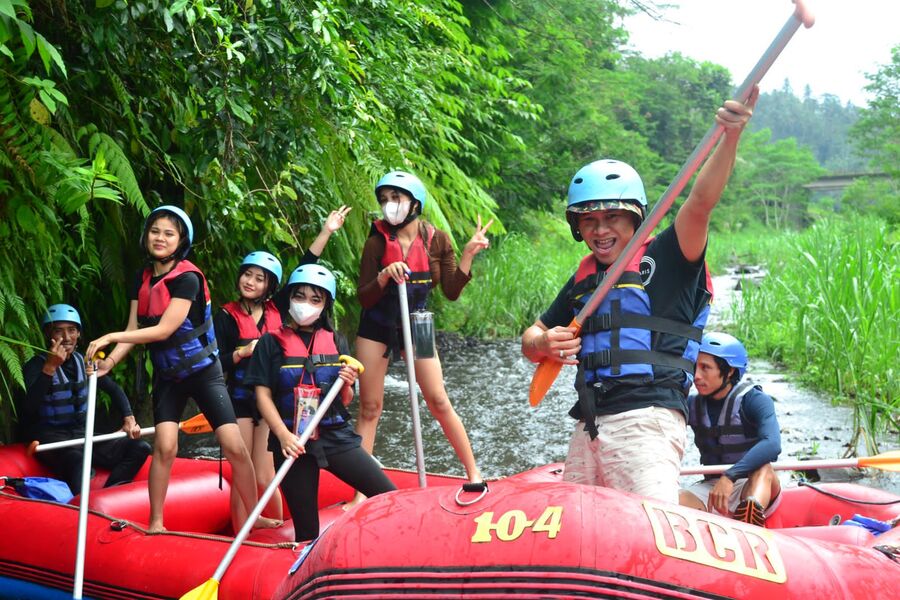
Bali Telaga Waja Rafting – The Ultimate Challenge on Karangasem River
Bali Telaga Waja Rafting is a popular outdoor adventure in Bali, attracting visitors who want to experience white-water rafting surrounded by the natural landscapes of Karangasem. The Telaga Waja River flows through the Muncan area and offers a combination of flowing rapids, green riverbanks, and views of the surrounding countryside.
Rafting on Telaga Waja is known for its varied river conditions and exciting sections that can challenge participants throughout the journey. Along the route, visitors may encounter tropical vegetation, rice fields, rocky riverbanks, and other natural features. The experience combines adventure, teamwork, and opportunities to appreciate the rural scenery of East Bali.
Bali Telaga Waja Rafting Route with Steep Descents and Natural Surprises
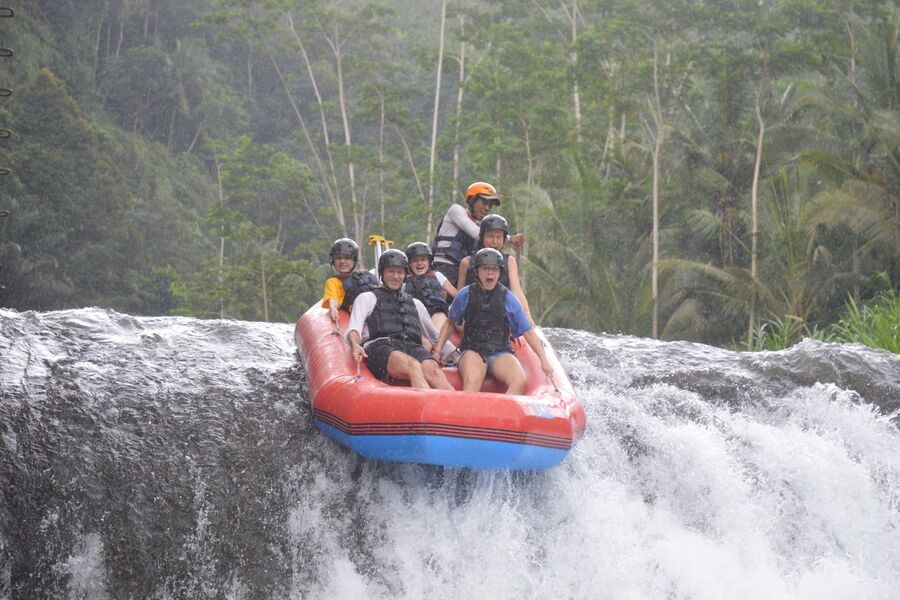
The Bali Telaga Waja Rafting route is known for its varied river sections, including fast-moving water, winding passages, and challenging rapids. Certain routes may also feature noticeable drops or steep descents that add excitement to the journey. The exact route and difficulty depend on the operator and prevailing river conditions.
Some sections of the Telaga Waja River are commonly described as Class III–IV rapids. However, river difficulty can change according to rainfall, water levels, and seasonal conditions. Participants should follow the guide’s instructions and pay attention to the safety briefing before entering the river.
Beyond the rapids, the route offers views of East Bali’s natural landscape. Depending on the section, participants may see tropical vegetation, green rice fields, rocky riverbanks, and cliffs. Certain routes may also pass beneath bridges or near small waterfalls, adding variety to the journey.
These natural features make rafting on Telaga Waja more than a physical activity. They provide opportunities to experience the river environment and observe parts of Bali’s countryside that visitors may not usually encounter during a typical sightseeing trip.
Read More: Bali Telaga Waja Rafting – Games on the Fastest River

What It’s Like to Pass Near a Waterfall on a Rubber Boat
One memorable feature that may be encountered on certain Bali Telaga Waja rafting routes is a small waterfall along the riverbank. Depending on the location and water conditions, the waterfall may flow close to the rafting path, allowing participants to feel some of its cool spray as the raft passes.
The experience adds a refreshing moment to the adventure, especially after navigating sections with stronger currents. The sound of flowing water and the surrounding tropical vegetation create a different atmosphere from the more challenging rapids.
However, not every rafting route necessarily passes directly beneath a waterfall. The location, accessibility, and water flow of these natural features can vary. Participants should follow the guide’s directions and avoid attempting to approach waterfalls or riverbanks independently.
Special Preparations for Rafting During the Rainy Season in East Bali
Rafting during the rainy season can involve different river conditions from those experienced during drier months. Rainfall may affect water levels, current strength, visibility, and access paths around the river. Preparing appropriately can help participants stay comfortable throughout the activity.
- Wear lightweight, quick-drying clothing: Choose comfortable sportswear or other clothing suitable for water activities. Heavy fabrics can become uncomfortable when wet.
- Choose suitable footwear: Wear secure water shoes or sandals with good grip. Walking surfaces near the river may become slippery, particularly after rainfall.
- Protect personal belongings: Keep phones, wallets, and other valuables in a suitable waterproof bag. Check with the operator about available storage arrangements.
- Bring a change of clothes: Pack dry clothing for after the activity. Confirm whether changing rooms and showers are available at the selected operator’s base camp.
- Check operating conditions: Contact the rafting operator before departure to confirm whether the trip is running. Heavy rain or unsuitable river conditions may result in schedule changes or cancellations.
- Listen to the guide: Rainfall can influence the river’s flow. Follow the guide’s instructions about paddling, seating positions, and how to respond to changing conditions.
Rafting Route and Rural Paths Passed Along the Tour
A rafting trip in the Telaga Waja area can offer more than river scenery. Depending on the operator’s arrangements and route, visitors may also experience parts of the surrounding countryside before or after entering the water.
1. Muncan Village and the Rafting Starting Area
Muncan Village is associated with rafting activities in the Karangasem area. The journey to the river may involve walking along paths near local settlements, fields, or other rural surroundings. The exact access route depends on the operator’s designated starting point.
2. River Sections Surrounded by Green Cliffs
Some sections of the Telaga Waja River pass through areas with steep banks, rocky formations, and dense vegetation. These landscapes create a natural setting as participants navigate the river. The appearance of the surroundings may change depending on the route and season.
3. Small Waterfalls Along the River
Certain sections may feature small waterfalls or streams flowing toward the river. These natural features can provide refreshing views during the trip, although their visibility and water flow depend on rainfall and the specific route.
4. Bamboo Bridges and Traditional Irrigation Features
In parts of the surrounding countryside, visitors may see bridges, agricultural paths, or irrigation structures used by local communities. Some rafting routes may pass near or beneath bridges, depending on the river section. These features offer a glimpse of how the river environment connects with everyday rural life.
5. Mountain and Valley Views
Open sections of the route may provide views of green valleys and the mountainous landscape of East Bali. Mount Agung may also be visible when the weather and visibility allow. Participants should only take photographs when the guide confirms that it is safe to do so.
Participant Reviews: What They Felt After Bali Telaga Waja Rafting
Participant experiences can provide useful perspectives when choosing a rafting activity. Visitors often consider several aspects when evaluating a trip, including the variety of rapids, the guide’s communication, equipment preparation, and the overall organisation of the activity.
The combination of river challenges and rural scenery is one of the features that can make Telaga Waja memorable. However, individual experiences may differ according to the selected operator, group size, river conditions, and route.
When reading reviews, it is useful to look for specific details rather than relying only on general descriptions such as “exciting” or “amazing.” Comments about the guide’s instructions, equipment condition, trip organisation, and facilities can help visitors understand what to expect.
Visitors can also compare recent reviews across different platforms and check whether the feedback refers to the same operator and package they are considering.
Closing Activity: Local Lunch and Relaxing at the Base Camp
After completing the rafting journey, participants return to the operator’s designated finish area and follow the arrangements for getting back to the base camp. Some packages include access to showers, changing rooms, and dining facilities, although the available services depend on the operator.
A meal after rafting can be a welcome opportunity to rest and regain energy. Some operators offer lunch with Indonesian or Balinese-style dishes. Menu items may include rice, chicken, vegetables, and other local accompaniments, while drinks may also be available depending on the package.
Participants with dietary restrictions or particular food preferences should confirm the menu with the operator before booking. Once the activity is finished, the dining or rest area can also provide a comfortable place to share stories and reflect on the river adventure.
This final part of the trip brings the experience together, combining the excitement of rafting with a more relaxed atmosphere in the Karangasem countryside.
Conclusion
Bali Telaga Waja Rafting offers an adventurous way to explore the natural surroundings of Karangasem while navigating a river with varied currents and challenging sections. Depending on the route and conditions, participants may encounter steep descents, small waterfalls, bridges, and views of the rural landscape.
Preparing for the weather, wearing suitable clothing and footwear, and following the guide’s instructions are important parts of enjoying the activity. Visitors should also confirm route details, facilities, and package inclusions with their chosen operator before making a reservation.
For those seeking an outdoor adventure that combines river challenges with the scenery of East Bali, Bali Telaga Waja Rafting is an experience worth considering.
Frequently Asked Questions
1. Do all Telaga Waja rafting routes pass through the same village paths?
Not necessarily. Access paths and walking routes depend on the operator’s starting point and arrangements. Some trips may involve walking near local settlements or agricultural areas, while others may use different access routes.
2. Can participants always pass directly beneath a waterfall during rafting?
No. Waterfalls are natural features, and their locations and water flow vary. Some routes may pass near small waterfalls, but visitors should not assume that every trip includes a direct passage beneath one.
3. Are bamboo bridges part of the actual rafting course?
Some river sections may pass near or beneath bridges, including structures used by local residents. However, the presence of a particular bridge depends on the selected route and should not be considered a guaranteed feature of every trip.
4. Does rainfall change the appearance of the waterfalls along the river?
Yes. Rainfall can affect the amount of water flowing from streams and small waterfalls. Their appearance may therefore differ between visits, and some features may be less noticeable during drier conditions.
5. What type of footwear is most practical for walking around the rafting access area?
Secure water shoes or sandals with good grip are practical choices for wet and potentially slippery surfaces. Avoid footwear that easily comes off or makes walking on uneven paths difficult.
6. How can visitors assess whether participant reviews are useful?
Look for recent reviews that describe specific aspects of the experience, such as guide communication, equipment preparation, route organisation, and package details. Comparing feedback from multiple sources can provide a more balanced picture than relying on a single review.
7. Should visitors bring a waterproof camera to photograph the rural scenery?
A waterproof camera can be useful, but photography should never interfere with safety. Use a secure attachment or suitable waterproof protection, and take photographs only when the guide confirms that conditions allow it.
8. Can visitors request a particular Balinese dish for the post-rafting lunch?
Meal choices depend on the operator and the package. If you have a preferred dish or dietary requirement, contact the operator before the trip to ask whether a specific meal can be arranged.