
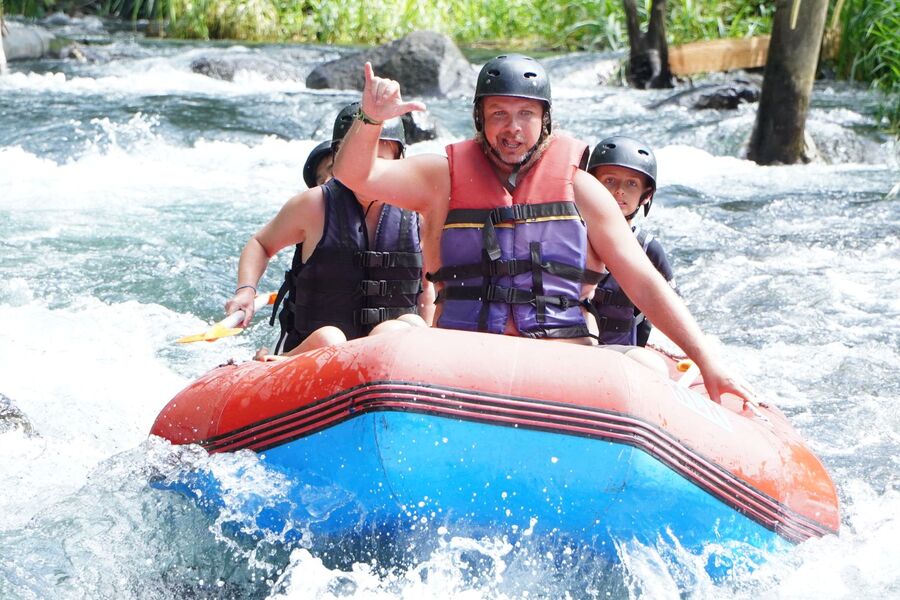
Bali Telaga Waja Rafting: Exciting Sensations on Bali River
Bali Telaga Waja Rafting is an exciting option for water sports enthusiasts looking for a memorable whitewater rafting experience in Bali. Located in Karangasem Regency, East Bali, the Telaga Waja River is known for its varied rapids, relatively long rafting route, and scenic natural surroundings.
During the journey, participants can enjoy views of terraced rice fields, green hills, rocky riverbanks, and flowing mountain water. The combination of active river sections and peaceful countryside scenery makes rafting here an appealing outdoor activity for both local and international visitors.
The rafting route is commonly advertised at approximately 14 kilometers, with time on the water often taking around 2.5 to 3 hours. However, the actual distance and duration may vary depending on the operator, selected route, group pace, and river conditions. These changing conditions are also part of what makes each rafting trip different.
The Long and Challenging Rafting Terrain at Telaga Waja
The rafting route on the Telaga Waja River is widely known for its relatively long course, commonly advertised at around 14 kilometers. The terrain includes a mixture of calmer stretches and more demanding rapids, offering participants different experiences throughout the journey.
Some sections may feature drops of approximately 3–4 meters, depending on the route selected by the operator. These features can add excitement to the trip, but participants should confirm whether a particular drop is included in their package and follow the guide’s instructions before approaching it.
Certain sections of the river are described by operators as Grade III–IV. However, river difficulty can change with rainfall, water levels, and other conditions. It is therefore more accurate to understand these grades as descriptions of particular sections rather than a fixed classification for the entire route.
Along the way, participants may also see bamboo vegetation, small waterfalls, traditional bridges, and nearby villages. The combination of changing currents and natural scenery makes Bali Telaga Waja Rafting an appealing choice for travelers who want an active adventure in East Bali.
Read More: Try Telaga Waja Rafting Now To Experience The Excitement!
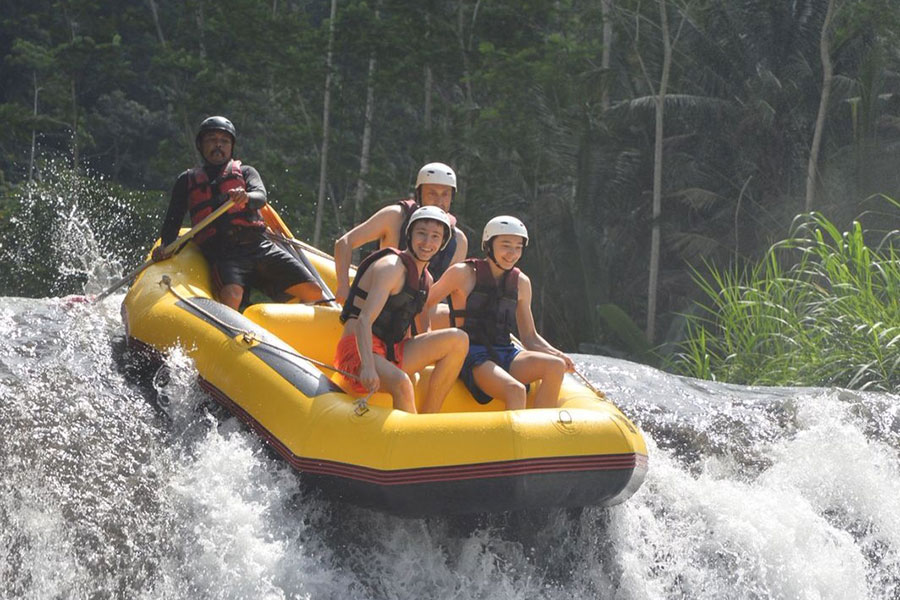
Telaga Waja for Beginners and Adventure Enthusiasts
Although Telaga Waja is known for its challenging river sections, beginners may also be able to participate when the operator considers the conditions and participant requirements suitable. Before the activity begins, participants generally receive a safety briefing covering paddling techniques, seating positions, guide commands, and basic responses to unexpected situations.
Helmets and life jackets are commonly provided as part of the rafting equipment. Participants should make sure their equipment fits properly and understand the guide’s instructions before entering the river. Anyone with concerns about their physical condition or ability to participate should discuss them with the operator in advance.
For more experienced adventure enthusiasts, the changing rapids and longer route can provide an engaging challenge. Coordinating paddling movements, responding to the guide’s commands, and navigating different river sections all contribute to the experience.
Whether you are a first-time participant or an experienced adventurer, the most important thing is to choose a suitable package and follow the operator’s safety guidance throughout the trip.
Rafting Facilities in the Heart of Traditional Nature
Despite being surrounded by a rural landscape, rafting operators at Telaga Waja may provide facilities to help participants prepare for and enjoy their activity. The available facilities differ between operators and packages, so it is best to confirm the details before making a reservation.
Common facilities or services may include:
- Rafting Safety Equipment: Helmets, life jackets, and paddles are commonly provided for participants. Check that the equipment fits properly before starting the activity.
- Rafting Guides: Guides provide activity instructions, explain paddling techniques, and lead participants through the selected route. Ask the operator about guide communication options if you require an English-speaking guide.
- Changing Rooms and Showers: Some rafting bases provide changing areas and shower facilities where participants can freshen up after the trip. Hot showers may be available at selected locations.
- Restaurants and Dining Areas: Some operators offer lunch or have dining facilities at their rafting base. However, lunch is not automatically included in every package, so check the inclusions when booking.
Knowing what is included in your chosen package can help you prepare more comfortably and avoid unexpected arrangements on the day of the activity.
Natural Attractions Along the River
Rafting on Telaga Waja offers more than changing currents and exciting rapids. The surrounding landscape is another important part of the experience. Depending on the route and river conditions, participants may encounter several natural and cultural features along the way.
- Waterfalls Along the Riverbank: Some sections of the river feature small waterfalls or streams flowing down the surrounding slopes. Their visibility and accessibility depend on the selected route and water conditions.
- Bamboo Vegetation: Bamboo grows in parts of the river surroundings, adding a distinctive natural element to the landscape. The vegetation creates a different atmosphere from the open rice-field views found along other sections.
- Terraced Rice Fields and Green Hills: The countryside around Telaga Waja includes cultivated land and green hills. These landscapes provide a scenic backdrop during calmer parts of the rafting journey.
- Mountain Water and Rocky Riverbanks: The river flows from the mountainous area around Mount Agung. Its appearance can change depending on rainfall, sediment, and seasonal conditions, so water clarity should not be assumed to remain the same throughout the year.
- Traditional Bridges and Local Activities: Depending on the route, participants may pass beneath bridges and observe parts of village life near the river. These views offer a glimpse of the rural surroundings of East Bali.
The scenery may change from one stretch to another, making the journey an opportunity to appreciate both the active river environment and the surrounding countryside.
When Is the Best Time to Experience Bali Telaga Waja Rafting?
Choosing a suitable time can help you plan a more comfortable rafting experience. However, the best schedule depends not only on the time of day but also on rainfall, river conditions, operator availability, and your travel plans.
Here are some considerations when choosing your rafting schedule:
Morning Sessions (Around 08:30–10:00 AM)
Morning sessions are a popular option for visitors who prefer to start outdoor activities earlier in the day. The weather may feel cooler, and participants can continue with other activities after rafting.
However, the river current is not guaranteed to be more stable in the morning. Water conditions depend on rainfall and other environmental factors, so the operator’s assessment is more important than the time of day alone.
Dry Season (Approximately April–October)
The dry season in Bali generally falls between April and October, although the transition between seasons can vary. Lower rainfall may affect river conditions and the surrounding landscape, but it does not guarantee a particular water level or rafting experience.
Participants should still check the latest conditions with the operator before departure.
Rainy Season and Changing River Conditions
During the rainy season, rainfall may increase river volume and affect water clarity, current strength, and route conditions. Rafting may still operate on suitable days, but operators should assess the river before allowing activities to proceed.
If heavy rainfall or unsafe conditions occur, the operator may adjust the route, reschedule the activity, or cancel the trip. Always follow the operator’s latest instructions rather than assuming the activity will proceed as planned.
Booking During Holiday Seasons
Telaga Waja can attract visitors during busy travel periods, including school holidays and peak tourism seasons. Booking in advance can help you secure your preferred schedule and give the operator time to confirm the package arrangements.
If you prefer a morning session, mention your preferred departure time when making the reservation. Also, confirm the meeting point, transportation arrangements, and package inclusions before your visit.
Conclusion
Bali Telaga Waja Rafting combines a relatively long rafting route, varied river sections, and the natural scenery of East Bali. From exciting rapids to calmer stretches surrounded by rice fields, green hills, and traditional village landscapes, the experience offers a different way to explore the island.
The available facilities, route features, and activity arrangements can vary between operators. River conditions also change with rainfall and seasonal patterns, so checking the latest information before booking is essential.
Whether you are interested in the river challenge, the surrounding natural attractions, or simply trying an outdoor activity in Karangasem, Bali Telaga Waja Rafting can be a memorable addition to your Bali itinerary. Choose a suitable package, understand its inclusions, and follow the guide’s instructions throughout the journey.
Frequently Asked Questions
1. Are rafting facilities located directly beside the river?
Not necessarily. Facilities such as registration areas, restaurants, changing rooms, and showers are generally provided at an operator’s rafting base. Their distance from the river entry or exit point depends on the operator’s location and arrangements.
2. Can I have lunch at the rafting base after finishing the trip?
Some rafting operators provide restaurant or dining facilities where participants can have lunch after the activity. However, whether lunch is included in the package depends on the option you book. Confirm the meal arrangements before your visit.
3. Will I see all the natural attractions mentioned along the rafting route?
Not necessarily. Waterfalls, bamboo vegetation, bridges, and rice-field views may appear along particular sections, but no single route is guaranteed to include every attraction. Ask the operator which natural features are typically visible on its selected route.
4. Does the appearance of the river change throughout the year?
Yes. Rainfall, sediment, and changes in water volume can affect the river’s appearance and clarity. The surrounding vegetation may also look different between wetter and drier periods.
5. Are hot showers available at every Telaga Waja rafting base?
No. Shower facilities vary between operators, and hot water may only be available at selected locations. Check the facilities offered by your chosen provider if this is important to your post-rafting plans.
6. Can I choose a rafting package based on the facilities provided?
Yes. You can compare packages based on their listed inclusions, such as equipment, meals, shower facilities, transportation, and other services. Make sure you compare the actual package details rather than assuming all operators provide the same facilities.
7. Why can the same rafting route feel different on different days?
River conditions are influenced by rainfall, water volume, and other environmental factors. These changes can affect current strength and the way particular sections are navigated. The guide and operator assess the conditions and provide instructions appropriate to the trip.
8. Should I confirm the rafting schedule again before visiting?
Yes. Confirm your booking, meeting point, departure time, and package inclusions with the operator before the activity. It is also useful to check whether there have been any schedule or route changes due to weather or river conditions.