
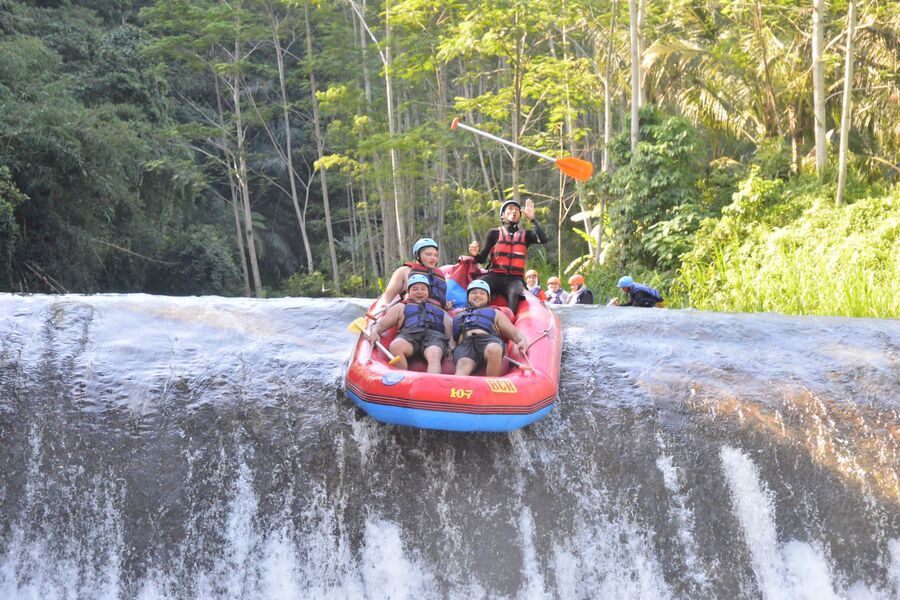
Bali Telaga Waja Rafting: Adventure to Refresh Your Body
Bali Telaga Waja Rafting is an exciting outdoor activity for travelers who want to experience the thrill of navigating rapids while enjoying the natural beauty of East Bali. Located in Karangasem Regency, Telaga Waja River is known for its flowing currents, varied river terrain, and scenic surroundings. It offers an opportunity to enjoy an adventurous rafting journey while taking a break from the busy atmosphere of everyday life.
Besides providing a physical challenge, rafting in Telaga Waja can also be a refreshing way to spend time outdoors. The surrounding green landscape, mountain atmosphere, and sound of flowing water create a relaxing natural environment. The activity involves paddling, teamwork, and listening to the guide’s instructions, making it an engaging experience for friends, couples, and groups.
Telaga Waja Rafting can also create memorable moments through shared challenges and cooperation. Whether you are traveling with family, friends, or colleagues, the journey offers an opportunity to enjoy Bali’s natural surroundings from a different perspective. However, participant eligibility and suitability depend on individual conditions and the operator’s safety requirements.
Read More: Telaga Waja Rafting Bali: The Ultimate Exploration Adventure
Location of Telaga Waja: How to Get There?
Telaga Waja River is located in the Muncan area of Karangasem, East Bali. The journey from popular tourist areas such as Ubud, Sanur, or Kuta may take approximately 1.5 to 2.5 hours, depending on the starting point, traffic, and road conditions.
The drive to the rafting area offers views of Bali’s countryside, including rice fields, green hills, and traditional villages. Visitors can reach the area using private vehicles or transportation arranged through a rafting operator.
Some rafting operators offer hotel pickup and return transportation as part of selected packages, while others provide these services at an additional cost. Before booking, check the meeting point, pickup area, transportation arrangements, and estimated travel time to plan your journey comfortably.
Swift Water Flow and Changing River Conditions
One of the defining characteristics of Bali Telaga Waja Rafting is its flowing river current. The river receives water from the Mount Agung area and its surrounding catchment, creating conditions that support rafting activities. However, the water level and current strength can change depending on rainfall, seasonal conditions, and other natural factors.
This makes Telaga Waja an appealing destination for a Bali Rafting Adventure, including during periods when other outdoor activities may be affected by weather. Nevertheless, rafting availability and route conditions should always be confirmed with the operator.
Depending on the selected package, the rafting route may cover approximately 14 to 16 kilometers, with around 2 to 3 hours spent on the river. Along the way, participants can encounter different rapids, calmer stretches, and changing river landscapes. Following the guide’s instructions is essential throughout the activity.
Rafting With Mount Agung in the Background
One of the attractions of rafting in Telaga Waja is the natural landscape surrounding the river, including views of Mount Agung when visibility and the route allow. As Bali’s highest mountain, Mount Agung holds an important place in the island’s cultural and spiritual life.
The mountain scenery adds another dimension to the rafting experience. During suitable sections of the journey, participants may enjoy views of green slopes, tropical vegetation, and the surrounding countryside. The visibility of Mount Agung can vary depending on clouds, weather, and the position of the river route.
This combination of adventure and mountain scenery makes Telaga Waja an interesting destination for travelers who want to experience Bali’s natural environment beyond its beaches and urban attractions.
Best Photo Spots During Bali Telaga Waja Rafting
While enjoying Bali Telaga Waja Rafting, participants can also appreciate the scenery and capture memorable moments along the river. The route passes through different natural landscapes, including green riverbanks, rocky formations, and areas near waterfalls. The exact scenery and photography opportunities depend on the selected route and current river conditions.
Here are some features that may provide interesting photographic backgrounds:
1. Traditional Bridges
Bridges crossing the river offer a glimpse of the surrounding countryside and local infrastructure. Their structures, combined with green vegetation, can create an interesting backdrop for photographs.
2. Small Waterfalls Along the Route
Some sections of the river feature small waterfalls or streams flowing down the riverbanks. These natural features add variety to the scenery and can be attractive photography subjects when conditions allow.
3. River Bends With Mount Agung Views
Certain open sections may offer views toward the surrounding mountains, including Mount Agung when visibility is clear. These moments provide an opportunity to capture the wider landscape of Karangasem.
4. Rice Fields and Green Hills
The river passes through parts of Bali’s rural landscape, where participants may see rice fields, green hills, and tropical vegetation. These views provide a glimpse of the countryside beyond the island’s popular tourist areas.
5. Action Photography on the Rapids
Rafting action can create exciting photographs, especially when the raft moves through faster sections of the river. Some operators offer photography or video documentation, although availability and pricing vary by package. Participants should only use personal cameras when the guide confirms that it is safe to do so.
Bali Telaga Waja Rafting: Adventure to Refresh Your Body

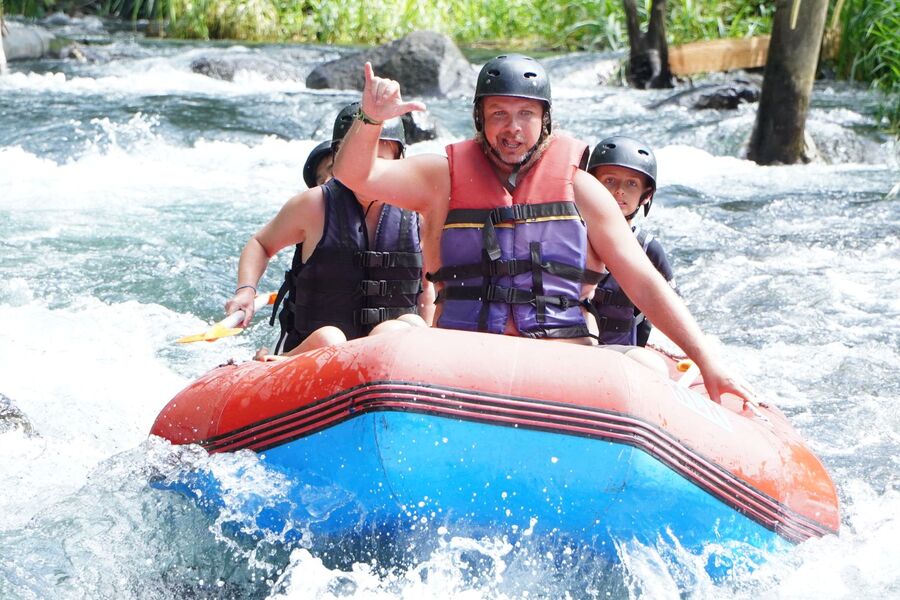
Differences Between Ayung and Bali Telaga Waja Rafting
The Ayung River and Telaga Waja River are two popular rafting destinations in Bali. Although both offer exciting outdoor experiences, they have different geographical settings, river characteristics, and surrounding landscapes. Understanding these differences can help travelers choose an activity that suits their preferences.
1. River Conditions and Difficulty
Ayung River, located near Ubud, is commonly associated with a recreational rafting experience featuring a variety of rapids and river sections. Telaga Waja, in Karangasem, is often chosen by travelers looking for a longer route and sections with stronger currents.
The difficulty of both rivers can vary depending on rainfall, water levels, and the operator’s route. Therefore, it is better to compare the actual package details rather than assume that one river is always suitable for beginners or that the other is always more difficult.
2. Natural Scenery
Ayung River is known for its green river valleys, tropical vegetation, and distinctive rock carvings along parts of the route. Its location near Ubud also makes it convenient to combine with other attractions in the area.
Telaga Waja offers a different landscape, with views of the Karangasem countryside, rice fields, green hills, and Mount Agung when visibility permits. Some sections may also feature bridges and small waterfalls.
3. Route Length and Duration
The advertised route length and rafting duration differ between operators. Telaga Waja packages commonly offer routes of approximately 14 to 16 kilometers, while Ayung River packages often advertise shorter routes. Actual distances and time spent on the river should be confirmed with the selected operator.
4. Location and Travel Planning
Ayung River is convenient for visitors staying around Ubud and nearby areas. Telaga Waja is located farther east in Karangasem, so visitors staying in southern Bali may need more travel time to reach the starting point.
Ultimately, the choice between Ayung and Telaga Waja depends on your accommodation, available time, preferred river conditions, and the type of scenery you want to experience.
Rafting While Protecting Bali’s Nature
Rafting in Bali offers more than an opportunity to enjoy an outdoor adventure. It also gives visitors a chance to appreciate the natural environment and understand why rivers and surrounding landscapes deserve protection.
Responsible tourism begins with simple actions. Participants can help reduce their environmental impact by avoiding littering, keeping personal belongings secure, and following the guide’s instructions around riverbanks and vegetation.
Here are some practical ways to support responsible rafting:
- Avoid Littering: Keep all waste with you and use designated waste bins after the activity. Never throw plastic, food packaging, or other rubbish into the river.
- Respect Riverbank Vegetation: Avoid damaging plants, climbing onto unstable riverbanks, or disturbing the surrounding natural environment.
- Follow Designated Routes: Listen to the guide and use approved access points when entering or leaving the river.
- Use Reusable Items When Practical: Bring reusable water bottles or other suitable items when permitted by the operator.
- Respect Local Communities: Be considerate when passing through areas near villages, agricultural land, and local infrastructure.
- Choose Responsible Operators: Ask about waste management practices and how the operator maintains its rafting facilities and surrounding area.
These small actions can help visitors enjoy the river while showing respect for Bali’s natural environment and local communities.
Conclusion: Enjoy an Adventure That Refreshes Body and Mind
Bali Telaga Waja Rafting combines the excitement of navigating river rapids with the natural beauty of East Bali. Its flowing currents, varied river terrain, and surrounding mountain scenery create an engaging outdoor experience for travelers who want to explore a different side of the island.
From the journey through Karangasem’s countryside to the opportunity to see Mount Agung when conditions allow, the experience offers more than just physical activity. It also provides opportunities to build teamwork, enjoy time with others, and appreciate the importance of protecting the natural environment.
Whether you are comparing Telaga Waja with Ayung River, planning a group outing, or looking for an outdoor activity during your Bali holiday, take time to check the route, participant requirements, transportation, and package inclusions before booking. With proper preparation and responsible participation, rafting in Telaga Waja can become a memorable part of your Bali adventure.
Frequently Asked Questions
1. Is Telaga Waja rafting accessible from both Ubud and South Bali?
Yes. Visitors can travel to the rafting area from Ubud, Sanur, Kuta, and other parts of Bali. However, travel time depends on the starting location and traffic conditions. Travelers staying in South Bali should allow sufficient time for the journey to Karangasem.
2. Does every Telaga Waja rafting package include hotel transportation?
No. Transportation arrangements vary between operators and packages. Some offer hotel pickup and return transfers, while others require participants to arrange their own transport or pay an additional fee. Check the pickup area and transportation inclusions before booking.
3. Can participants see Mount Agung clearly during the rafting trip?
Not always. Visibility depends on weather, cloud cover, and the position of the rafting route. On clear days, some sections may provide views of the mountain, but it should not be considered a guaranteed feature of every trip.
4. What happens if heavy rainfall changes the river conditions before the rafting schedule?
Heavy rainfall can affect water levels, current strength, and overall river conditions. The operator may adjust the route, postpone the activity, or cancel the trip if conditions are considered unsuitable. Participants should follow the operator’s latest instructions and safety assessment.
5. Are there differences between taking photographs from the raft and at a stopping point?
Yes. Photographing from the raft may be possible during calmer sections if the guide permits it, while designated stopping points may provide more time to capture the surroundings. During rapids or challenging sections, participants should focus on safety rather than taking pictures.
6. How should visitors choose between Ayung River and Telaga Waja if they have limited holiday time?
Consider your accommodation, travel time, preferred river experience, and other activities planned for the day. Ayung River may be more convenient for visitors staying near Ubud, while Telaga Waja is an option for travelers who want to explore Karangasem. Compare the actual package schedules and transportation arrangements before deciding.
7. Can visitors help protect the river even if they are only joining a short rafting trip?
Yes. Visitors can contribute by taking their rubbish with them, avoiding damage to plants, respecting local communities, and following the operator’s environmental instructions. Responsible behavior matters even during a single visit.
8. What should travelers confirm before leaving their hotel for Telaga Waja rafting?
Confirm the pickup time and location, meeting point, estimated travel duration, clothing requirements, package inclusions, and any participant restrictions. It is also useful to check the operator’s contact details in case traffic or schedule changes affect your arrival.