
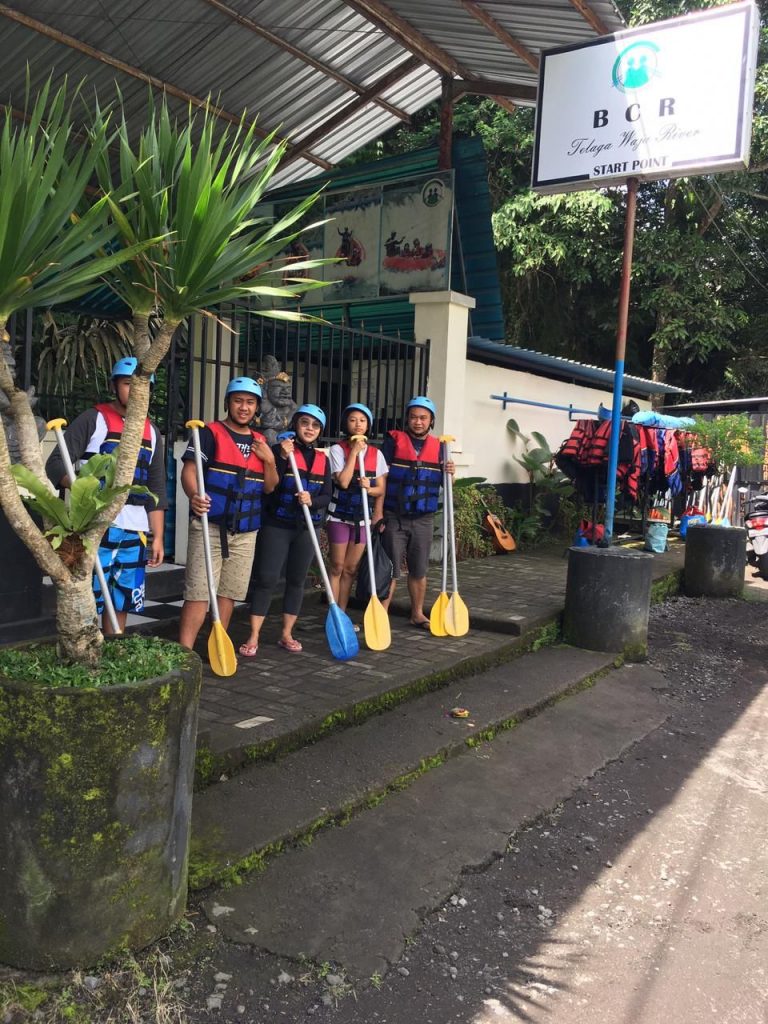
10 Advantages of Telaga Waja River for Rafting
Are you planning a holiday in Bali and looking for an outdoor activity filled with excitement? Telaga Waja River Rafting is an option worth considering. Located in Karangasem, East Bali, the river is known for its exciting rapids, scenic countryside, and opportunities to experience Bali’s natural landscape from the water.
Whether you are a first-time participant or an adventure enthusiast, rafting on Telaga Waja River combines teamwork, paddling, and river exploration. Depending on the route and current conditions, the journey may include challenging rapids, calmer stretches, and views of the surrounding countryside.
So, what makes this destination stand out among rafting locations in Bali? Here are 10 advantages of Telaga Waja River that make it an appealing choice for your next adventure.
1. Fresh Mountain River Water
Telaga Waja River is associated with the mountainous landscape of East Bali, including the area around Mount Agung. Its flowing water and natural surroundings contribute to the appeal of rafting in this part of the island.
Depending on rainfall and river conditions, the water’s clarity can vary. Along the journey, participants can enjoy the changing appearance of the river, its rocky sections, and the natural environment surrounding the riverbanks.
The experience offers a refreshing way to explore Bali’s countryside while navigating the river with a rafting guide.
2. Beautiful Natural Scenery Along the Route
One of the highlights of Telaga Waja River Rafting is the scenery along the river. Participants can enjoy views of green rice fields, tropical vegetation, hills, and rocky riverbanks throughout the journey.
Depending on the selected route, the surrounding landscape may also include waterfalls, steep riverbanks, and glimpses of traditional Balinese village life.
These natural views provide a pleasant contrast to the excitement of navigating the rapids. They also make the experience appealing to visitors who want to combine outdoor adventure with an appreciation of Bali’s countryside.
3. A Relatively Long Rafting Route
Telaga Waja River is known for its relatively long rafting routes. The original information for this article mentions a distance of approximately 18 kilometers, although the actual distance may differ depending on the operator and selected route.
A longer route can give participants more time to experience different river sections, enjoy the scenery, and work together as a team.
The rafting session is estimated to take around 2.5 to 3 hours on the water, depending on river conditions, the pace of the group, and the operator’s itinerary.
Before booking, confirm the route distance and expected duration with your chosen provider so you know what to expect from the trip.
4. Exciting Rapids for Adventure Seekers
For visitors looking for an adrenaline-filled outdoor activity, Telaga Waja River offers sections with exciting rapids.
The original article describes some sections as Class III–IV. However, river difficulty classifications and actual conditions can vary by section and change with rainfall and water levels. Participants should confirm the current route classification with their operator.
Navigating rapids requires concentration, coordination, and the ability to follow the guide’s commands. Participants work together to paddle and respond to changing river conditions.
If you are new to rafting, discuss your experience and physical condition with the operator before choosing a route. The most suitable experience is one that matches your abilities and the current conditions.
5. A Variety of River Conditions
Rafting on Telaga Waja River can involve a combination of faster-moving water, rapids, and calmer stretches.
This variation makes the journey more dynamic. During calmer sections, participants may have more opportunities to appreciate the surrounding landscape before preparing for the next set of rapids.
The experience depends on the river’s water level, the weather, and the selected route. Any stops or opportunities to enter the water must follow the guide’s instructions and the operator’s safety assessment.
The combination of changing river conditions and natural scenery helps make Telaga Waja an interesting destination for outdoor enthusiasts.
6. Options for Different Experience Levels
Telaga Waja River attracts visitors with different levels of rafting experience. However, suitability depends on the particular route, river conditions, and the operator’s participant requirements.
First-time rafters should ask about beginner suitability, the difficulty of the rapids, and the physical requirements before booking. More experienced participants can discuss the route characteristics with the operator to determine whether the trip matches their expectations.
The original information mentions an age range of 7–65 years. This should not be treated as a universal rule, because minimum and maximum ages can vary between operators and packages. Always confirm the current age requirements and any health or other restrictions before making a reservation.
Choosing an appropriate route helps participants prepare for a more comfortable and enjoyable experience.
7. Convenient Facilities for Participants
Facilities available at rafting locations can make a difference to the overall experience. Depending on the operator, Telaga Waja rafting packages may provide access to changing rooms, toilets, showers, dining areas, and rafting equipment.
Before booking, ask which facilities are available and whether they are included in the package price.
It is also worth checking whether the package includes meals, drinking water, transportation, or other services. Inclusions differ between providers, so confirming these details in advance can help you plan your trip and budget more accurately.
A well-organized arrival and departure process can make the rafting experience more convenient, particularly for families and groups.
8. A Destination for Exploring East Bali
Telaga Waja River is located in Karangasem, East Bali, making it an option for travelers who want to explore beyond the island’s main resort areas.
Depending on your itinerary, you may be able to combine a rafting trip with visits to other attractions in the region. Besakih Temple and the Kintamani area are examples of destinations travelers may consider when planning a wider East Bali or central Bali excursion.
Travel times depend on your accommodation, traffic, and the attractions you choose to visit. Allow sufficient time for transportation and the rafting activity itself, especially when planning several stops in one day.
Combining rafting with sightseeing can help you experience more of Bali’s landscapes and cultural attractions during your holiday.
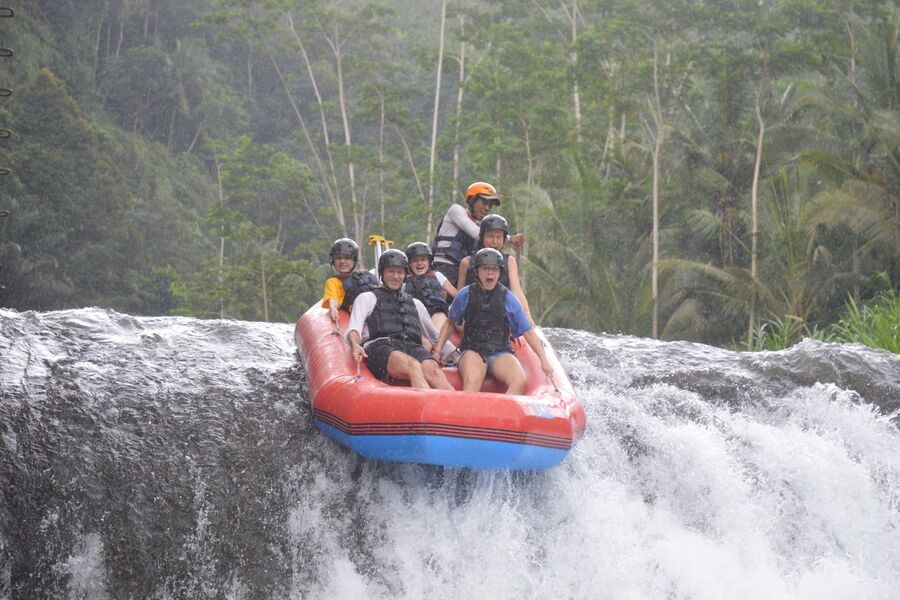
9. A Distinctive Dam Drop Experience
One feature highlighted in the original description of Telaga Waja Rafting is a dam drop of approximately four meters. The article refers to sections associated with Bajing Dam and Tangkup Dam.
This feature can add excitement to the rafting journey, but it is important to understand that access and route conditions depend on the operator’s itinerary and safety assessment.
Before your trip, ask whether the dam drop is included in your selected route and whether it is operating under current river conditions. Participants should never attempt to navigate a drop independently or disregard a guide’s instructions.
For adventure seekers, this distinctive river feature is one of the reasons Telaga Waja Rafting attracts attention.
10. Consider the Number of Stairs at the Start and Finish
The number of stairs along a rafting route is an important practical consideration, particularly for participants who are concerned about stamina or mobility.
Although most of the activity takes place on the water, participants may need to walk between the meeting point, river access, and finishing facilities. These walks can feel tiring after a long rafting session.
Before booking Telaga Waja River Rafting, ask the operator about the access route, the number of stairs, and the walking distance at both the starting and finishing points.
This is especially useful if you are traveling with children, older family members, or anyone who may have difficulty using stairs. Understanding the physical requirements in advance helps you choose a suitable activity.
Conclusion
Telaga Waja River Rafting offers an exciting way to experience the natural beauty of East Bali. Its scenic riverbanks, relatively long rafting routes, changing water conditions, and distinctive dam drop make it an appealing option for travelers looking for an outdoor adventure.
Other practical advantages include opportunities to explore the surrounding region, access facilities offered by rafting operators, and choose a trip based on individual requirements. However, route characteristics, facilities, age limits, and safety conditions can vary, so it is important to confirm these details before booking.
If you are planning to include rafting in your Bali holiday, visit Telaga Waja Rafting to learn more about the destination and available packages.
Prepare appropriately, follow your guide’s instructions, and choose a rafting experience that suits your abilities so you can enjoy your time on the river responsibly.
Frequently Asked Questions (FAQ)
1. What are the main advantages of Telaga Waja River for rafting?
The main advantages include its scenic natural surroundings, relatively long rafting routes, exciting rapids, changing river conditions, and the distinctive dam drop described on some routes. The destination also provides opportunities to explore East Bali.
2. Where is Telaga Waja River located?
Telaga Waja River is located in Karangasem, East Bali. Its surrounding landscape features hills, rice fields, tropical vegetation, and other natural scenery.
3. How long is the Telaga Waja rafting route?
The original information mentions a route of approximately 18 kilometers. Actual distances vary by operator and route, so confirm the distance included in your selected rafting package before booking.
4. How long does Telaga Waja River Rafting take?
The rafting session is estimated to take around 2.5 to 3 hours on the water. The total activity duration may be longer because of registration, equipment preparation, safety briefings, and other arrangements.
5. Is Telaga Waja River Rafting suitable for beginners?
Suitability depends on the selected route, current river conditions, and the operator’s requirements. Beginners should ask about the difficulty level, physical demands, and safety procedures before booking.
6. Does Telaga Waja River have a dam drop?
The original article describes a dam drop of approximately four meters. Whether participants can navigate this feature depends on the selected route, current conditions, and the operator’s safety assessment.
7. What facilities are available at Telaga Waja Rafting?
Facilities vary by operator and package. They may include changing rooms, toilets, showers, dining areas, and rafting equipment. Confirm the available facilities and package inclusions directly with your provider.
8. What is the minimum age for Telaga Waja Rafting?
Age requirements vary by operator and package. Although the original article mentions ages 7–65, you should confirm the current minimum age, any upper age restrictions, and other participation requirements with your chosen provider.
9. Can I visit other attractions after Telaga Waja Rafting?
Yes, you may be able to combine rafting with other sightseeing destinations, depending on your schedule and travel time. Besakih Temple and the Kintamani area are possible additions to a broader itinerary, but plan your transportation and activity duration carefully.
10. How can I book Telaga Waja River Rafting?
Visit telagawajarafting.id to learn more about rafting packages and booking arrangements. Before confirming your reservation, check the price, route, inclusions, departure schedule, age requirements, and current river conditions.