
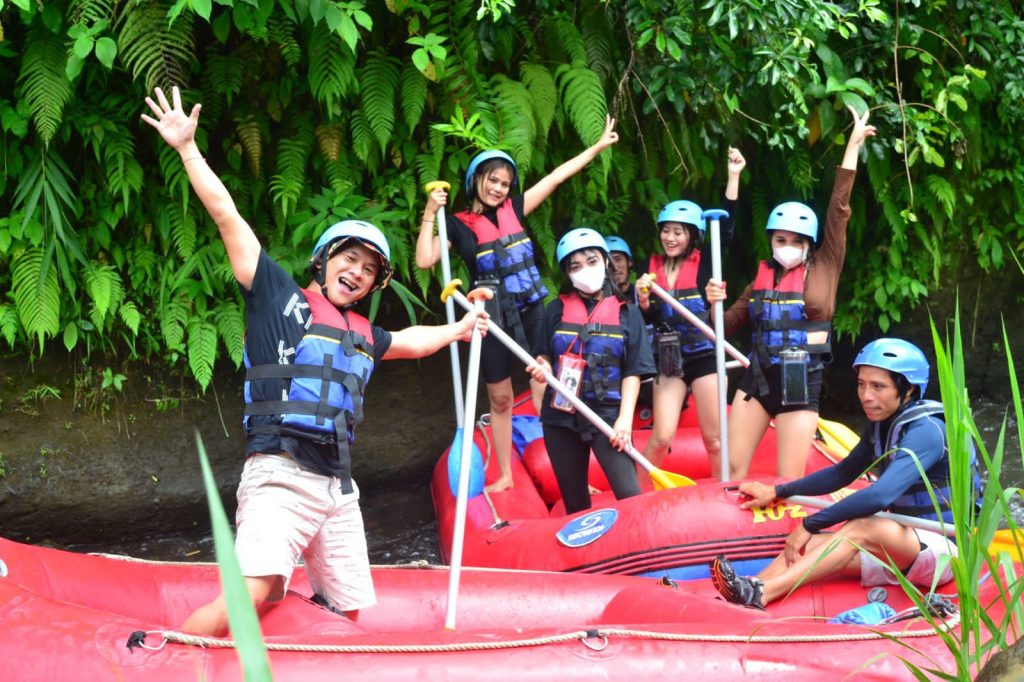
Tips for Choosing the Best Rafting Provider in Bali
Choosing the best rafting provider in Bali is an important step toward enjoying a memorable outdoor adventure. Known for its beautiful landscapes, tropical rivers, and exciting outdoor activities, Bali offers several opportunities to experience white water rafting. However, with different operators, river routes, packages, and facilities available, selecting the right provider requires careful consideration.
Whether you are a first-time participant or an experienced adventure enthusiast, the right rafting provider should offer suitable routes, properly maintained safety equipment, knowledgeable guides, and clear information about its services.
In this guide, you will discover practical tips for choosing a rafting company in Bali, learn when to plan your trip, and understand what beginners should know before getting on the water.
1. Check the Safety Standards of the Rafting Provider
Safety should be your first consideration when choosing a rafting provider in Bali. Before making a reservation, find out what safety procedures the company follows and whether its operations comply with applicable local requirements.
Look for a provider that offers properly maintained equipment, clear safety briefings, suitable participant requirements, and established emergency procedures. You can also ask about the qualifications and training of its rafting guides.
Do not hesitate to ask questions about the company’s safety practices before booking. A responsible operator should be willing to explain the equipment provided, the risks associated with the chosen route, and the procedures participants must follow.
Remember that no outdoor adventure is entirely risk-free. Choosing an operator with appropriate safety measures and following its instructions can help you prepare for a more responsible rafting experience.
2. Evaluate the Experience and Reputation of the Rafting Company
Another important factor is the experience and reputation of the rafting provider. An established operator may have valuable knowledge of its river routes, local conditions, and the practical requirements of organizing rafting trips.
Before choosing a company, take time to read recent customer reviews and compare feedback across independent platforms. Pay attention to comments about guide communication, equipment condition, staff professionalism, and the overall organization of the activity.
You can also ask friends or family members who have tried rafting in Bali for recommendations. Their experiences may help you identify providers worth considering.
However, do not rely on popularity alone. A company with many positive reviews should still be evaluated based on its safety procedures, route suitability, and the services included in its package.
Comparing these factors will help you make a more informed decision when selecting a rafting provider in Bali.
3. Choose a Rafting Route That Matches Your Experience
Bali offers different rafting experiences, and each river has its own characteristics. Some routes are suitable for beginners who want to enjoy the scenery and learn basic paddling techniques, while others feature more challenging rapids.
Before booking, ask the provider which river it operates on, the expected difficulty level, the approximate distance, and how long the trip takes. You should also check any age, health, swimming ability, or other participation requirements that apply.
Two popular destinations to consider are:
- Telaga Waja River, Karangasem: Known for its exciting rapids, scenic countryside, and relatively long rafting routes.
- Ayung River, near Ubud: Popular for its river scenery, tropical vegetation, and rafting experiences close to the Ubud area.
The best option depends on your preferences, physical condition, experience, and comfort level. Beginners should discuss their needs with the operator instead of choosing a route based solely on how challenging it sounds.
For travelers interested in exploring East Bali, you can learn more about Telaga Waja Rafting.
4. Inspect the Equipment and Check the Available Facilities
The quality of the equipment and facilities can affect both your comfort and safety during a rafting trip.
Before booking, ask what equipment the provider supplies. Essential safety equipment generally includes a properly fitted life jacket and helmet. The rafting boat, paddles, and other equipment should also be suitable for the activity and maintained in appropriate condition.
During preparation, check that your life jacket fits securely and that your helmet is correctly adjusted. Ask staff to help if anything feels loose or uncomfortable.
It is also worth checking which facilities are available at the rafting location. Depending on the operator, these may include:
- Changing rooms.
- Showers and toilets.
- Secure storage for personal belongings.
- Towels or other post-activity amenities.
- Restaurants or dining facilities.
- Transportation to and from your accommodation, if included in the package.
Not every provider offers the same facilities, so confirm what is included before making your reservation. This helps you prepare properly and avoid unexpected expenses.
5. Check the Qualifications and Communication Skills of the Guides
Rafting guides play an important role in helping participants navigate river conditions and understand the safety procedures throughout the trip.
Look for a provider that uses appropriately trained guides who understand the routes they operate on and can communicate instructions clearly. Before entering the river, participants should receive a safety briefing explaining basic paddling commands, proper positioning, and what to do in an emergency.
Clear communication is especially important for beginners and international visitors. If English is your preferred language, confirm whether an English-speaking guide is available for your selected trip.
During the activity, listen carefully to the guide and follow all instructions. Good teamwork and clear communication help the group respond more effectively to changing river conditions.
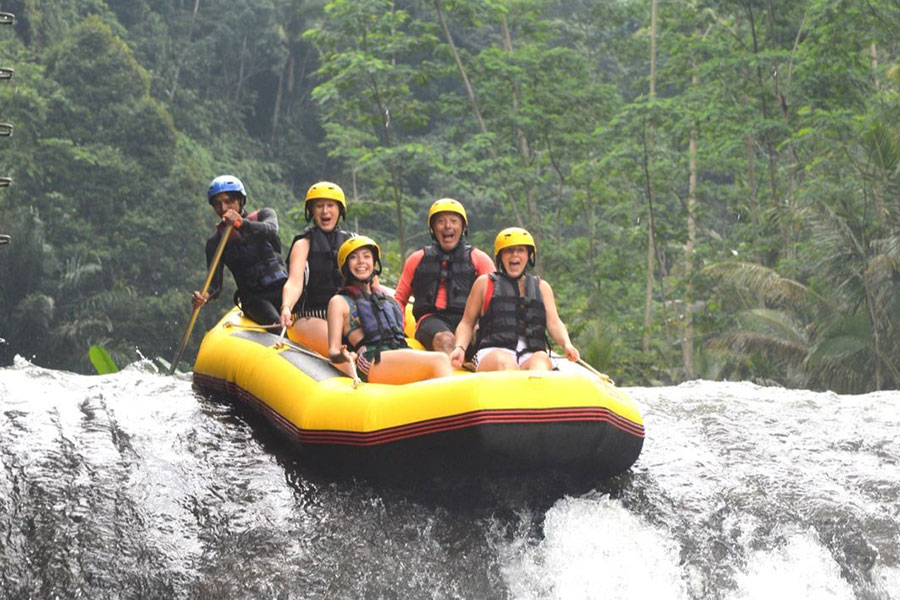
Bali White Water Rafting Season: When Is the Best Time to Go?
Bali’s tropical climate means rainfall and river conditions can vary throughout the year. These changes may affect the intensity of rapids, the scenery, and whether a particular rafting route is suitable for operation.
The rainy season generally falls around November to March, although the timing and intensity of rainfall vary from year to year. Increased rainfall can raise river levels and strengthen currents, potentially making some sections more challenging. However, heavy rain can also create unsafe conditions, so rafting operators may change routes, postpone trips, or cancel activities when necessary.
The drier months generally offer different river conditions, but suitability still depends on the particular river and recent weather. There is no single season that guarantees the best experience for every participant.
July and August can be busy travel months in Bali because of international holiday periods. If you prefer a quieter experience, consider traveling outside peak periods and checking availability with your chosen operator in advance.
Regardless of when you visit, contact the rafting company before your trip to confirm operating schedules and current river conditions. Safety should always take priority over the season or the level of excitement you hope to experience.
A Beginner’s Guide to Rafting in Bali
If this is your first white water rafting experience, a little preparation can help you feel more comfortable before getting on the river.
Prepare for the Physical Requirements
Rafting involves paddling, maintaining your balance, and responding to instructions while moving through changing water conditions. A reasonable level of fitness can help you participate more comfortably.
Regular activities such as walking, swimming, or light exercise may help you maintain general fitness. However, you do not need to undertake intensive training for every beginner-friendly rafting trip.
Choose a route that matches your physical abilities, and tell the operator about any relevant health concerns before booking. Follow its advice regarding participant requirements.
Become Familiar With the Equipment
Before departure, your guide should explain how to wear your life jacket and helmet, hold the paddle, and position yourself in the raft.
Take the opportunity to ask questions if anything is unclear. Make sure your equipment fits correctly and tell the staff if it needs adjustment.
Understanding the basic equipment before entering the river can help reduce uncertainty, especially if you have never participated in rafting before.
Listen Carefully to the Safety Briefing
The safety briefing is an essential part of the experience. Your guide should explain the paddling commands, expected behavior on the raft, and procedures to follow if you fall into the water or encounter an unexpected situation.
Pay attention even if you have tried rafting elsewhere. Different routes may have different conditions and instructions.
Never assume that previous experience means you can skip the briefing.
Manage Your Expectations and Enjoy the Scenery
Your first rafting trip may feel exciting, unfamiliar, or even a little intimidating. This is normal, particularly when approaching rapids for the first time.
Rather than focusing only on the most challenging sections, enjoy the experience as a whole. Bali’s rivers offer opportunities to appreciate tropical vegetation, green landscapes, and the natural environment along the riverbanks.
Stay alert, follow your guide’s commands, and communicate with the other participants when necessary. By choosing a suitable route and preparing responsibly, beginners can enjoy a rewarding outdoor adventure.
Conclusion
Choosing the best rafting provider in Bali involves more than comparing prices or selecting the most popular destination. Safety standards, company reputation, route difficulty, equipment quality, guide qualifications, and available facilities should all be part of your decision.
It is also important to consider the season, check the current river conditions, and choose an experience that matches your physical abilities and expectations.
Whether you are considering Telaga Waja River in Karangasem or Ayung River near Ubud, take time to compare operators and confirm the details of your chosen package before booking.
If you are interested in exploring the rapids and natural scenery of East Bali, visit Telaga Waja Rafting to learn more about its rafting services and available packages. With thoughtful preparation, a suitable route, and a responsible approach to safety, you can make your rafting adventure in Bali a memorable part of your holiday.
Frequently Asked Questions (FAQ)
1. How do I choose the best rafting provider in Bali?
Compare the provider’s safety procedures, guide qualifications, customer reviews, equipment condition, river routes, and available facilities. Check the package inclusions and participant requirements before making a reservation.
2. Which river is best for rafting in Bali?
Telaga Waja River in Karangasem and Ayung River near Ubud are two popular options. Telaga Waja is known for its exciting rapids and relatively long routes, while Ayung is popular for its scenic surroundings. The best choice depends on your experience, preferences, physical condition, and the current river conditions.
3. Is white water rafting in Bali suitable for beginners?
Some rafting routes in Bali are suitable for beginners. However, suitability depends on the route, water conditions, and operator requirements. Beginners should choose an appropriate trip, attend the safety briefing, and follow the guide’s instructions.
4. What safety equipment should a rafting provider supply?
Essential equipment generally includes a properly fitted life jacket and helmet, along with a suitable raft and paddles. Ask the provider what is included and make sure the equipment is in good condition and adjusted correctly before departure.
5. What is the best month for rafting in Bali?
The best time depends on the river, weather, and type of experience you prefer. Rainfall can increase water levels and current strength, while conditions during drier periods may differ. Check with your rafting provider for current conditions and operating schedules before booking.