
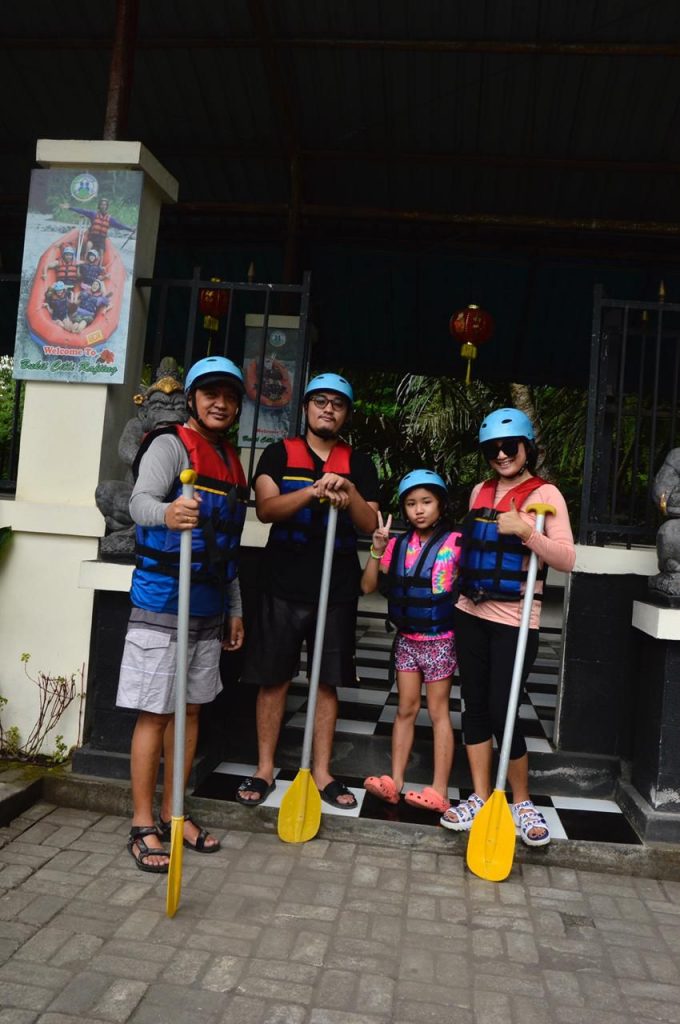
Safe Rafting Equipment: The Key to a Successful River Adventure
Rafting is an exciting outdoor activity that combines teamwork, adventure, and the thrill of navigating river rapids. Whether you are a first-time participant or an experienced adventurer, having the right equipment is essential for a more comfortable and well-prepared rafting experience.
However, rafting also involves potential risks, including falling into the water, colliding with rocks, and encountering unexpected river conditions. Proper safety equipment, combined with guidance from trained rafting professionals, helps reduce these risks and supports a safer journey.
Understanding the essential rafting equipment before heading to the river can help you prepare for your adventure with greater confidence.
Why Safety Equipment Matters in Rafting
Safety should always be a priority during a rafting trip. River conditions can change, and obstacles such as rocks, strong currents, and uneven water levels may present challenges along the route.
Appropriate equipment helps protect participants, supports communication and teamwork, and allows guides to respond more effectively to potential emergencies. However, equipment alone cannot eliminate every risk. Following the guide’s instructions and understanding basic rafting safety procedures are equally important.

10 Essential Rafting Equipment Items for a Safer Adventure
1. Strong and Durable Rafting Boat
The inflatable raft is the primary equipment used to navigate the river. It should be designed for whitewater conditions and maintained regularly to ensure that it remains suitable for the planned route.
Before the trip, the operator should check the raft for damage, air pressure issues, and other potential problems. A properly maintained raft helps the group navigate river obstacles while supporting the overall safety of the activity.
2. Properly Fitted Life Jacket
A life jacket, also known as a personal flotation device (PFD), is one of the most important pieces of rafting safety equipment. It helps keep a participant afloat if they fall into the river.
Choose a life jacket designed for the activity, appropriate for your body size, and approved under the applicable safety requirements. It must fit securely and be fastened correctly before entering the water.
Never loosen or remove your life jacket while rafting, even when the river appears calm.
3. Protective Rafting Helmet
A helmet helps protect your head from impacts with rocks, the raft, or other obstacles. Because rafting involves moving water and unpredictable conditions, wearing suitable head protection is an important safety measure.
The helmet should be designed for water sports, fit securely, and remain in place during movement. Check that the straps are adjusted properly and that the helmet has no visible damage before starting the trip.
4. Suitable Rafting Paddle
Paddles help participants work together to steer and propel the raft. Effective paddling allows the group to respond to the guide’s directions and navigate sections of the river more efficiently.
A suitable paddle should be durable, comfortable to hold, and appropriate for the participant’s size and the rafting conditions. During the trip, follow the guide’s instructions on when and how to paddle.
5. Waterproof Bag for Personal Belongings
A waterproof bag can help protect personal belongings, such as a phone, camera, or wallet, from splashes and water exposure. However, not every bag advertised as waterproof is suitable for immersion in a river.
If you need to bring valuables, use a properly sealed waterproof bag and secure it according to the operator’s instructions. Whenever possible, leave unnecessary valuables in a safe place before the activity.
6. Throw Bag for Emergency Rescue
A throw bag contains a rope that trained rescuers can throw to assist someone in the water. It is an important rescue tool in many whitewater environments and should be used by people who understand the correct rescue procedures.
The equipment should be in good condition, accessible when needed, and carried according to the operator’s safety plan. A throw bag is not a substitute for professional rescue training, and participants should never attempt a rescue without following the guide’s instructions.
7. Air Pump for Raft Maintenance
An air pump allows rafting staff to adjust the raft’s air pressure when necessary. Proper inflation helps the raft maintain its intended shape and performance.
The operator should inspect the raft before departure and check its condition throughout the trip when appropriate. A pump and other maintenance tools should be available according to the equipment and support procedures required for the rafting operation.
8. First Aid Kit
A first aid kit helps trained staff respond to minor injuries and provide initial assistance when needed. Depending on the trip, it may contain items such as sterile dressings, bandages, antiseptic supplies, and disposable gloves.
The kit should be appropriately stocked, protected from water, and accessible to the responsible staff. For more serious incidents, the operator should have an emergency response procedure rather than relying on a first aid kit alone.
9. Appropriate Clothing and Footwear
Wearing suitable clothing can make your rafting experience more comfortable and help you move safely around wet surfaces.
Consider lightweight clothing that allows freedom of movement and dries relatively quickly. Secure water shoes or sandals designed for outdoor water activities can help protect your feet and reduce the chance of losing your footwear in the river.
Depending on the weather and exposure to sunlight, sunscreen may also be useful. Avoid loose accessories or clothing that could become caught on equipment.
10. Essential Personal Items
In addition to the standard safety equipment provided by the operator, you may need a few personal items for before and after the trip.
Useful items may include:
- A change of clothes and a towel
- Cash or a secure payment method for personal expenses
- Sunglasses with a secure retaining strap, if appropriate
- Personal medication, if required
- Sunscreen and other basic personal care items
Avoid wearing valuable jewelry, such as rings, bracelets, necklaces, or earrings, because these items can be lost or damaged during the activity. Follow the operator’s guidance about what to bring and where to store your belongings.
Additional Rafting Safety Tips
Having the right equipment is only one part of preparing for a rafting adventure. Keep these practical tips in mind before entering the river:
- Check your equipment: Make sure your life jacket and helmet fit properly and that all straps are secure.
- Listen to your guide: Pay attention to the safety briefing and follow instructions throughout the trip.
- Understand the conditions: Choose a rafting route appropriate for your experience and the current river conditions.
- Secure your belongings: Leave unnecessary valuables behind and store essential items safely.
- Communicate with your guide: Tell the operator about any concerns that may affect your participation.
These simple precautions can help you prepare for a more organized and enjoyable river adventure.
Ready for Your Next Rafting Adventure?
Choosing a rafting operator that prioritizes equipment maintenance, participant briefings, and appropriate safety procedures is an important step toward enjoying your time on the river.
If you are planning a rafting trip in Bali, visit Telaga Waja Rafting to learn more about the rafting experience and available arrangements. Before booking, ask the operator about the equipment provided, the route conditions, and the safety procedures followed during the activity.
Conclusion
Safe and well-maintained rafting equipment plays an essential role in preparing for a successful river adventure. From a properly fitted life jacket and protective helmet to a suitable raft and emergency equipment, every item should serve a clear purpose and be appropriate for the conditions.
Nevertheless, safety depends on more than equipment alone. Professional guidance, a clear safety briefing, responsible decisions, and compliance with the operator’s instructions all contribute to a better-prepared rafting experience.
Before your next trip, take time to understand the equipment provided and prepare the personal items you need. With the right preparation, you can focus on teamwork, the natural scenery, and the excitement of rafting while taking river safety seriously.
Frequently Asked Questions (FAQ)
1. What equipment is essential for rafting?
Essential participant equipment generally includes a suitable life jacket, a protective helmet, and an appropriate paddle. The operator should also provide a raft suitable for the river conditions and maintain the necessary safety and rescue equipment.
2. Why is a life jacket important during rafting?
A properly fitted life jacket helps keep participants afloat if they fall into the water. It should be designed for the activity, secured correctly, and worn throughout the rafting trip.
3. Do I need to bring my own rafting helmet?
Many commercial rafting operators provide helmets and life jackets. Confirm with your chosen operator which items are included and whether you need to bring any personal equipment.
4. What should I wear for a rafting trip?
Wear comfortable clothing that allows you to move freely and footwear designed to stay secure in wet conditions. Avoid valuable jewelry and loose accessories that could be lost during the activity.
5. Should I bring my phone or camera while rafting?
You can bring a phone or camera only if it can be secured appropriately and the operator permits it. A suitable waterproof case may help protect the device, but leaving valuable electronics behind is often the simpler option.