
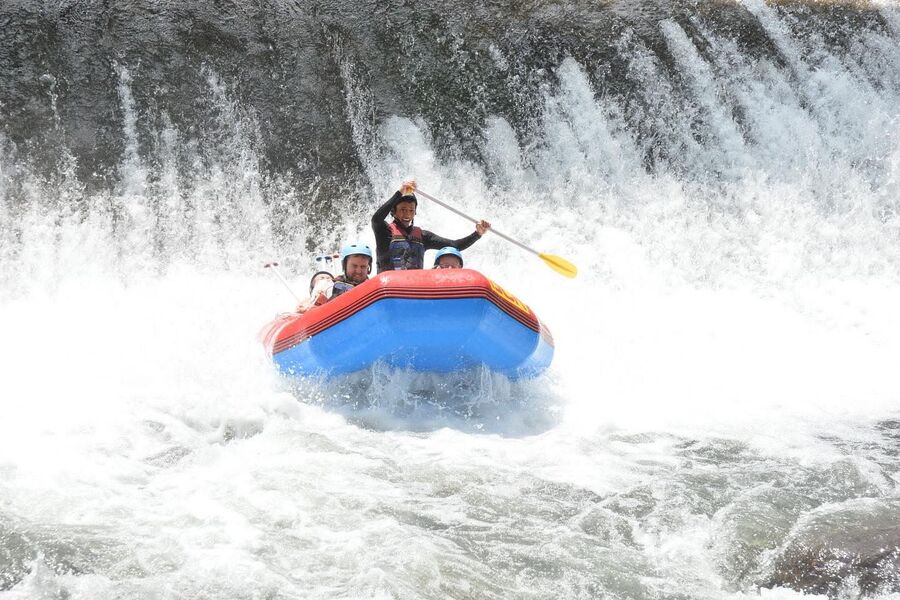
Your Essential Packing List for a Bali Rafting Adventure
Embarking on a Bali rafting adventure is an exciting way to explore the island’s natural beauty while experiencing the thrill of navigating river rapids. Whether you’re planning to tackle the flowing waters of Bali Telaga Waja or explore another rafting destination, preparing the right equipment and personal essentials can make your trip more comfortable and enjoyable.
Bali’s tropical climate can bring warm temperatures and high humidity, so choosing suitable clothing, footwear, and personal items is important. This guide covers the essential things to pack before heading out for your Bali rafting adventure, particularly if you’re planning a Bali Telaga Waja rafting experience.
1. Lightweight and Quick-Drying Clothing
Choosing the right clothing is one of the first things to consider before your Bali rafting adventure. Since you will be exposed to water throughout the activity, lightweight and quick-drying materials are more practical than heavy fabrics.
Swimwear, athletic shorts, and a comfortable T-shirt made from synthetic materials such as nylon or polyester are suitable options. These fabrics generally absorb less water and dry faster than cotton, helping you stay comfortable during and after the trip.
Avoid wearing heavy cotton clothing, jeans, or outfits that may restrict your movement when wet. It is also a good idea to choose clothes that fit securely so they do not become uncomfortable while paddling or moving around the raft.
2. Secure Footwear for Wet Conditions
Footwear is another essential consideration for a Bali rafting adventure. Avoid loose flip-flops or sandals that can easily slip off in the water. Instead, choose shoes that stay securely attached to your feet when wet.
Suitable options include:
- Water shoes with a secure fit.
- Old athletic sneakers with good grip.
- Sports sandals with adjustable straps and heel support.
Proper footwear helps protect your feet from rough surfaces and provides better stability when walking around the rafting area. This is particularly useful during a Bali Telaga Waja rafting excursion, where some access paths and riverbank areas may be uneven or slippery.
Make sure your footwear is comfortable enough for walking and suitable for getting wet. If you are unsure about the recommended footwear, check with your rafting operator before departure.
3. A Complete Change of Clothes and Towel
Although you will wear suitable clothing during the rafting activity, bringing a dry set of clothes is essential for after the trip.
Prepare a small bag containing:
- A clean T-shirt.
- Dry shorts or trousers.
- Fresh underwear.
- Dry socks, if needed.
- A towel.
- Additional personal clothing for the journey back.
You may be able to leave your belongings in a designated storage area or vehicle, depending on the operator’s arrangements. Confirm where personal items can be stored before the activity begins.
Having dry clothes available makes it easier to freshen up after your Bali rafting adventure, especially after spending several hours around the river.
4. Sunscreen and Sun Protection
Protecting your skin from the tropical sun is important during outdoor activities in Bali. Even when the weather is partly cloudy, you may still be exposed to sunlight while travelling to the rafting location or spending time outdoors.
Apply water-resistant sunscreen with a high SPF before leaving for your trip. Follow the product instructions for reapplication, particularly after prolonged water exposure.
You can also bring additional sun protection, such as:
- A lightweight hat or cap for use before and after rafting.
- A bandana that can be worn securely.
- Sunglasses with a secure strap, if permitted by the operator.
Avoid wearing loose accessories that could fall into the river. During the rafting activity, follow the guide’s instructions about which items can safely be worn. Helmets and other required safety equipment should always be used as directed.
5. Drinking Water and Hydration Essentials
Staying hydrated is important when participating in outdoor activities in Bali’s warm climate. Although some rafting operators provide drinking water, the arrangements may vary depending on the selected package.
You can bring a reusable water bottle if the operator allows it and provides a suitable place to store it. A leak-proof bottle is a practical choice for keeping your belongings dry.
Drink enough water before and after the activity, particularly if you have spent time travelling to the rafting location. Avoid relying on the assumption that refill stations or drinking water will always be available along the route. Check with the operator about drinking water arrangements before your trip.
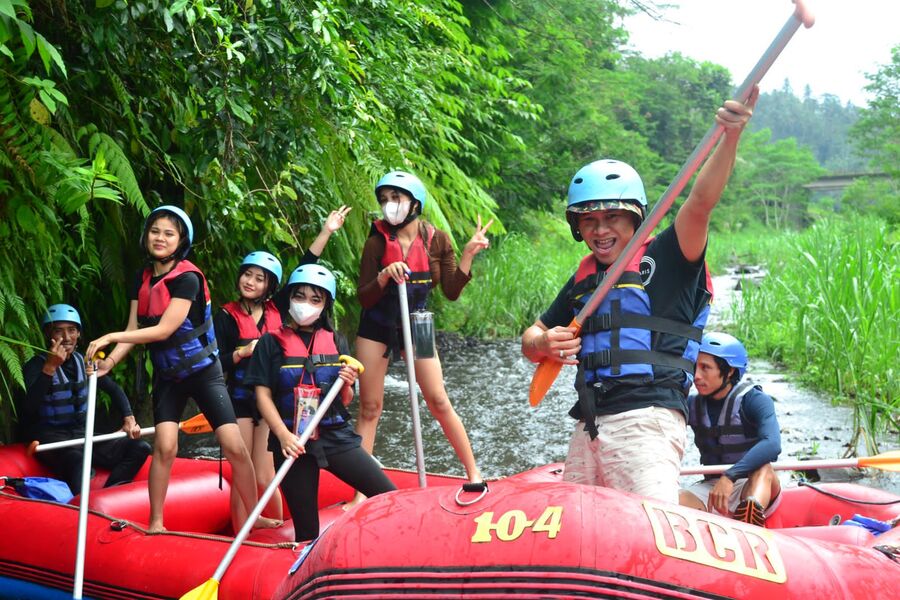
6. Waterproof Protection for Phones and Cameras
The river scenery during a Bali rafting adventure can be tempting to photograph, especially along the beautiful sections of the Bali Telaga Waja River. However, taking electronic devices onto a raft involves risks because they may be exposed to splashes, accidental drops, or strong water movement.
If you decide to bring a phone or camera, use a reliable waterproof case or suitable dry bag. Make sure the protection is properly sealed and tested before the activity. Even with waterproof protection, there is still a possibility of losing or damaging your device.
Another option is to use the photography services offered by some rafting operators. These services may allow you to enjoy the experience without having to handle your own camera during the trip. Ask about availability, prices, and how the photos or videos are delivered before booking.
7. A Small Waterproof Pouch for Personal Essentials
A compact waterproof pouch can be useful for carrying a few small personal items. However, it should not become an excuse to bring unnecessary valuables onto the raft.
Depending on your needs and the operator’s rules, you may want to prepare:
- Essential medication that you may need during the activity.
- A small amount of cash for use after rafting.
- Identification, if required by the operator.
Keep medication in its original packaging when practical, and inform the guide or organizer if you have a medical need that may require attention during the trip. Ask where identification, cash, and other valuables should be stored safely.
Avoid carrying unnecessary jewelry, expensive accessories, or important documents during the rafting activity.
8. Personal Toiletries and Post-Rafting Essentials
After spending time in the river, having a few personal toiletries can make it easier to freshen up before continuing your holiday.
Consider packing:
- Travel-size shampoo and body wash.
- A small bottle of moisturizer.
- A hairbrush or comb.
- Personal hygiene products.
- A plastic or waterproof bag for wet clothing.
The availability of showers and changing facilities depends on the rafting operator and selected package. Check the facilities beforehand so you can prepare anything else you may need.
9. A Positive Attitude and Sense of Adventure
Finally, do not forget to bring a positive attitude and a willingness to enjoy the experience. A Bali rafting adventure is not only about navigating rapids but also about appreciating the surrounding landscape, cooperating with fellow participants, and enjoying time outdoors.
For those planning Bali Telaga Waja rafting, the journey can offer a combination of flowing river sections, exciting rapids, and views of East Bali’s natural surroundings. Listen carefully to the safety briefing, follow the guide’s instructions, and be prepared for changing river conditions.
With the right preparation and an adventurous spirit, you can focus on enjoying the journey rather than worrying about forgotten essentials.
Conclusion
Preparing the right items before a Bali rafting adventure can make a significant difference to your overall experience. Lightweight clothing, secure footwear, dry clothes, sun protection, and suitable waterproof storage are among the most useful essentials to bring.
For a Bali Telaga Waja rafting trip, it is equally important to understand the operator’s equipment, storage arrangements, and package facilities before departure. Avoid bringing unnecessary valuables, and always follow the guide’s instructions about personal belongings and safety equipment.
By packing thoughtfully and preparing for the conditions of the river, you can enjoy your rafting adventure with greater comfort and peace of mind while making the most of Bali’s beautiful natural surroundings.
Frequently Asked Questions About Packing for a Bali Rafting Adventure
1. Should I pack my belongings in a backpack or a small bag?
A small bag is usually sufficient for your personal essentials, change of clothes, and towel. Choose a bag that is easy to carry and can keep your belongings organized. Ask the operator where bags can be stored during the rafting activity, as large bags may not be suitable to bring onto the raft.
2. Can I wear contact lenses while rafting?
Contact lenses may be inconvenient during rafting because splashing water can cause irritation or dislodge them. If you need vision correction, consider discussing suitable options with your eye-care professional before the activity. Avoid wearing regular glasses without a secure strap, and ask the operator about any relevant recommendations.
3. Do I need to bring my own helmet and life jacket?
Rafting operators generally provide essential safety equipment, including helmets and life jackets, as part of the activity. However, equipment arrangements can vary. Confirm what is included in your package and make sure the provided equipment fits properly before entering the river.
4. What is the best way to pack wet clothes after rafting?
Bring a separate waterproof or leak-resistant bag for wet clothing. After changing, place your used rafting clothes and wet footwear inside it to prevent water from soaking your dry belongings. This also makes it easier to organize your luggage when returning to your accommodation.
5. Should I bring snacks for the rafting trip?
Check with your operator about meal and refreshment arrangements before bringing food. Some packages may include lunch or other refreshments, while others may have different inclusions. If you have specific dietary needs, inform the organizer in advance rather than relying on food being available at the rafting location.
6. How can I keep my prescription medication safe during rafting?
Inform the organizer about any medication you may need during the activity. Keep essential medication properly packaged and protected from water, and ask the operator about the safest storage arrangement. Do not leave important medication in a location that you cannot access if you need it.
7. Is it necessary to bring a waterproof bag if I do not plan to take my phone?
A waterproof bag can still be useful for separating wet clothing, protecting small personal items, or keeping selected belongings dry. However, you may not need to bring one onto the raft. Check the operator’s storage arrangements and bring only what is practical for the trip.
8. Should I bring extra footwear for after the rafting activity?
Bringing a dry pair of sandals or comfortable shoes can be helpful, especially if your rafting footwear becomes wet or muddy. Keep your spare footwear with your change of clothes so you can use it after showering and changing at the base area.