
What Makes Telaga Waja River a Unique Bali Experience?
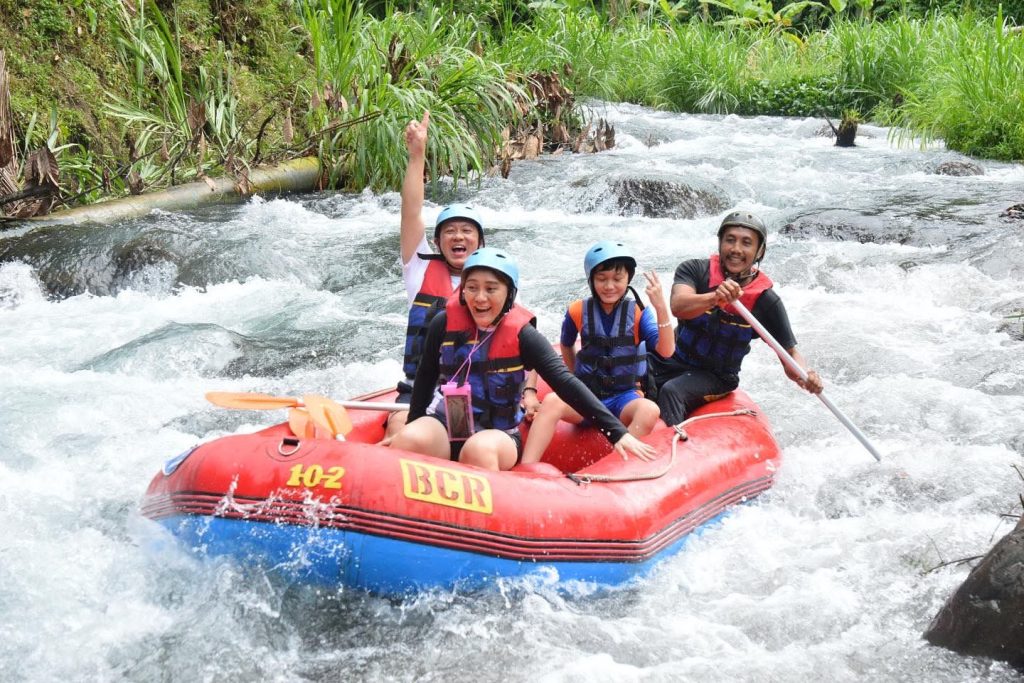
Telaga Waja River is one of Bali’s well-known destinations for white-water rafting, attracting adventure enthusiasts who want to explore the island beyond its beaches and cultural attractions. Located in East Bali, the river offers a combination of exciting rapids, varied river sections, and beautiful natural scenery. These features make Telaga Waja rafting an appealing option for travelers looking for an outdoor adventure in Bali.
Located in Muncan Village, Karangasem Regency, Telaga Waja River can be reached from Denpasar by road. The journey typically takes around two hours, depending on traffic and the exact starting point. The rafting route is often advertised as approximately 14 km long, with trips generally lasting around two to three hours, although the actual distance and duration depend on the operator and river conditions.
The river features sections of flowing water and rapids that can make the experience exciting. However, the difficulty level and suitability for beginners depend on current water conditions, the selected route, and the rafting operator’s safety requirements. Participants should always follow the guide’s instructions before and during the trip.
Beyond the adventure itself, visitors can enjoy views of green hills, terraced rice fields, tropical vegetation, and small waterfalls along parts of the river. The surrounding landscape adds another dimension to the experience, making Telaga Waja River an attractive destination for travelers who want to combine adventure with an appreciation of Bali’s natural environment.
With its combination of river adventure and scenic surroundings, Telaga Waja River offers a distinctive way to experience Bali.
Getting to Know Telaga Waja River in Bali
Telaga Waja River flows through the eastern part of Bali, with its upper reaches associated with the Mount Agung area before continuing toward the island’s eastern lowlands. The river is an important part of the surrounding landscape and supports local agricultural activities. Its natural setting also makes it a destination for outdoor recreation, particularly white-water rafting.
Surrounded by green hills, rice fields, and tropical vegetation, the river offers a different atmosphere from Bali’s busy coastal destinations. Its flowing water and changing river sections provide an exciting setting for rafting, while the scenery gives participants opportunities to appreciate the island’s countryside.
Many rafting operators advertise routes of approximately 14 km that take around two to three hours to complete. Along the way, participants may encounter a variety of rapids, winding sections, and changes in the river’s flow. Some routes also feature a drop of approximately four metres, depending on the operator’s course and conditions. Participants should confirm the exact route and features with their chosen provider.
Although Telaga Waja River is popular with both first-time rafters and experienced adventure seekers, its suitability depends on the river’s current conditions and the operator’s participation requirements. Beginners should listen carefully to the safety briefing and follow the guide’s instructions throughout the trip.
In addition to the rafting experience, the natural surroundings are a major attraction. Depending on the route, visitors may see terraced rice fields, green hills, tropical plants, and small waterfalls along the river. The rural environment offers a refreshing contrast to Bali’s urban areas and busy tourist centres.
Read more: Telaga Waja Rafting Guide for Beginners
Rafting Advantages on Telaga Waja River for a Unique Bali Experience
Rafting on Telaga Waja River combines the excitement of navigating rapids with opportunities to enjoy Bali’s natural scenery. For visitors seeking an outdoor activity, the river offers several features that help distinguish it from other rafting destinations on the island.
1. A Long Rafting Route
Telaga Waja River is known for its relatively long rafting route, commonly advertised at around 14 km. Compared with shorter rafting trips, this route can give participants more time to experience different sections of the river and appreciate the surrounding landscape.
A typical trip may last approximately two to three hours, depending on the route, water levels, and operating conditions. Participants can experience a mix of flowing sections, rapids, and calmer stretches, creating variety throughout the adventure.
The longer route is one reason travelers consider Telaga Waja rafting when planning an outdoor activity in Bali. For the most accurate information, check the route length and estimated duration with the operator before booking.
2. Relatively Fewer Steps to Reach the Starting Point
Access to a rafting starting point can affect the overall experience, particularly for visitors who prefer not to navigate long stairways before the activity begins.
Some Telaga Waja rafting routes are promoted as requiring fewer steps to reach the starting point compared with certain other rafting locations in Bali. This can make the approach more convenient for participants. However, access arrangements vary by operator, so visitors should confirm the walking distance, stairs, and entry conditions when booking.
Easier access may be helpful for families and groups with different fitness levels, but it does not automatically mean that the rafting activity itself is suitable for everyone. Participants should check age limits, health considerations, and other requirements with the operator.
3. An Option for Family Vacations
Telaga Waja rafting can be an exciting activity for families who want to experience Bali’s natural environment together. Participants can share the adventure of paddling, navigating river sections, and enjoying the scenery along the route.
However, rafting is an adventure activity, and river conditions can change. Not every route or trip is suitable for every child or family member. Before booking, families should confirm the operator’s minimum age requirements, safety procedures, equipment provisions, and suitability recommendations.
With appropriate arrangements and a reputable operator, families who meet the participation requirements can enjoy a memorable outdoor experience together.
4. Fresh Air and Natural Surroundings
The Telaga Waja River area is surrounded by hills, rice fields, and tropical vegetation. These natural surroundings create a refreshing setting for visitors looking to spend time outdoors and take a break from Bali’s busier tourist areas.
During the rafting trip, participants can enjoy the scenery while navigating the river with their group. The combination of outdoor activity and natural landscapes makes the experience appealing to travelers who appreciate both adventure and nature.
Weather, humidity, and the surrounding environment can vary throughout the day and year, but the river’s rural setting remains an important part of its appeal.
5. Flowing River Water
The flowing water is an essential part of the Telaga Waja rafting experience. Depending on recent rainfall, water levels, and other environmental conditions, the river may feature different currents and levels of intensity.
Visitors may find the changing water conditions add variety to the adventure. However, water clarity can also vary, so it is better not to assume that the river will always be crystal clear. Participants should follow the guide’s instructions and avoid entering the water outside the operator’s designated activity.
For a more comfortable experience, ask the operator about current river conditions before your scheduled trip.
6. Beautiful Natural Scenery
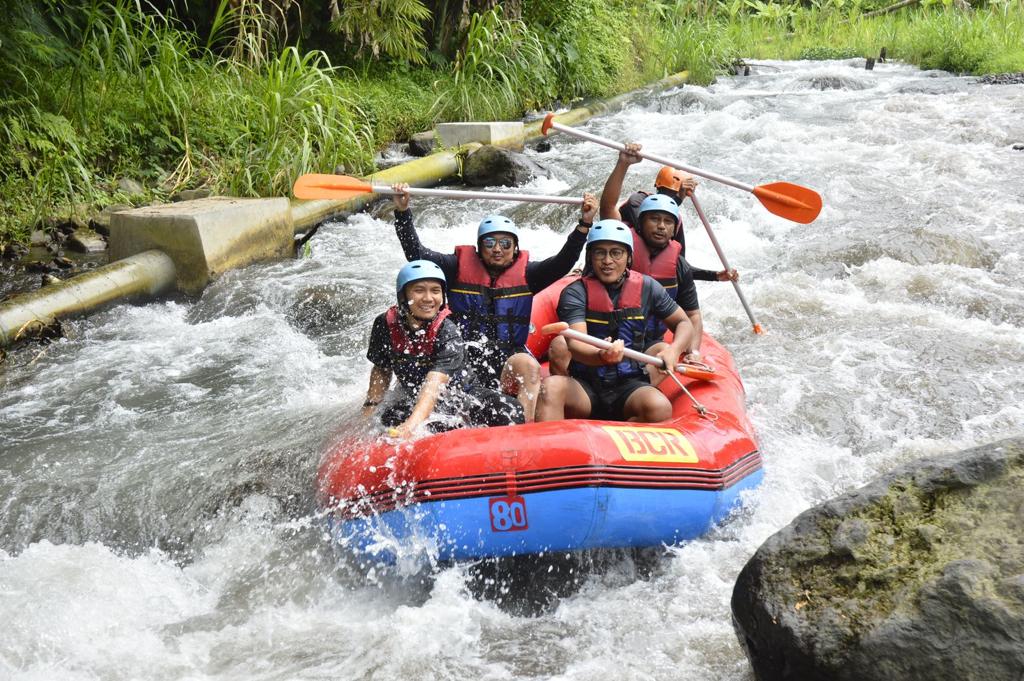
One of the main attractions of rafting on Telaga Waja River is the natural landscape surrounding the route. Depending on the section of the river, participants may enjoy views of green hills, terraced rice fields, tropical vegetation, and small waterfalls.
These surroundings provide a scenic backdrop to the rafting adventure and offer a chance to appreciate a different side of Bali. Rather than focusing only on the rapids, participants can also take in the rural landscape as they travel along the river.
The combination of flowing water, outdoor adventure, and natural scenery helps make Telaga Waja River a memorable destination for travelers looking for an active way to explore East Bali.
Conclusion
Telaga Waja River offers a distinctive Bali experience by combining white-water rafting with the beauty of the island’s eastern countryside. Its relatively long rafting route, varied river sections, outdoor setting, and scenic surroundings make it an appealing destination for adventure enthusiasts.
Other features, including access to certain starting points and the opportunity to enjoy the landscape along the river, can add to the overall experience. Families and beginners may also be able to participate, provided they meet the operator’s requirements and the prevailing river conditions are suitable.
Whether you are interested in navigating rapids, spending time outdoors, or discovering a different side of Bali, Telaga Waja rafting offers an opportunity to combine adventure with nature. For the best preparation, confirm the route, duration, equipment, and safety requirements with your chosen operator before booking.
Frequently Asked Questions (FAQ)
1. What Makes Telaga Waja River Different from Other Rivers in Bali?
Telaga Waja River combines a relatively long rafting route, varied river sections, and views of East Bali’s countryside. This combination allows visitors to enjoy both the adventure of navigating rapids and the natural scenery along the river.
2. Why Is Telaga Waja River Popular Among Adventure Seekers?
The river attracts adventure enthusiasts because its flowing water and rapids provide an active outdoor experience. The surrounding hills, rice fields, and tropical vegetation also add scenic value to the journey.
3. What Can Visitors See Along the Telaga Waja Rafting Route?
Depending on the route, visitors may see terraced rice fields, green hills, tropical plants, and small waterfalls. These natural features create a different experience from Bali’s coastal attractions.
4. Is Telaga Waja River Only About Rafting?
No. Although rafting is one of its main attractions, the river also offers an opportunity to appreciate East Bali’s rural landscape. The combination of outdoor adventure and natural scenery is an important part of its appeal.
5. How Does the Length of Telaga Waja’s Rafting Route Affect the Experience?
A relatively long route gives participants more time to experience different river sections and enjoy the surrounding landscape. The actual distance and duration depend on the route provided by the rafting operator.
6. What Makes the Location of Telaga Waja River Appealing to Visitors?
Located in Karangasem, East Bali, Telaga Waja River offers access to a countryside setting away from many of the island’s busier coastal areas. Its rural surroundings appeal to travelers looking to explore another side of Bali.
7. Does the Scenery Along Telaga Waja River Change During the Trip?
Yes. As the raft moves along the river, the views may change between flowing water, vegetation, hillsides, rice fields, and other natural features, depending on the route.
8. Does Telaga Waja River’s Water Always Have the Same Flow?
No. River flow can change with rainfall, seasonal conditions, and water levels. These changes can affect the rafting experience, so the operator’s assessment of current conditions is important.
9. Why Is Access to the Rafting Starting Point an Important Advantage?
The distance and number of steps required to reach the starting point can affect how convenient the activity feels before rafting begins. Access varies by operator, so visitors should confirm the arrangements for their selected route.
10. What Should Travelers Consider When Comparing Telaga Waja with Other Rafting Destinations in Bali?
Travelers should compare route length, expected duration, river conditions, scenery, access to the starting point, package inclusions, and safety requirements. These factors provide a more useful comparison than relying on claims that one destination is universally the best.