
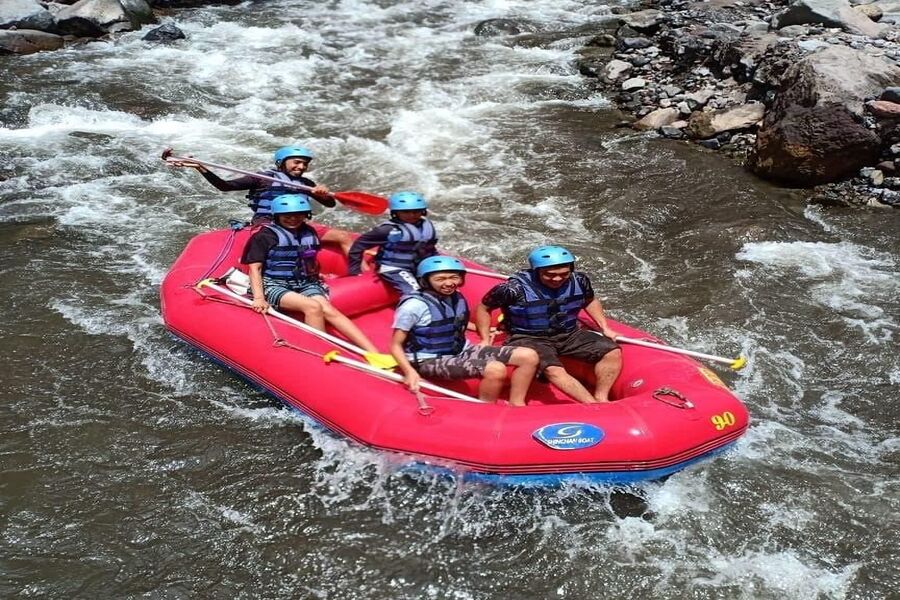
Telaga Waja Rafting Adventure: The Ultimate Game in Bali
Telaga Waja Rafting Adventure is an exciting choice for travelers looking for a memorable rafting thrill in Bali. Located in Karangasem Regency, East Bali, Telaga Waja River is known for its flowing currents, varied rapids, and beautiful natural scenery. Its relatively long rafting routes offer an engaging combination of adventure and opportunities to appreciate Bali’s countryside.
The rafting journey commonly covers approximately 14 kilometers, although some operators may offer routes of around 14 to 16 kilometers, depending on the selected package. Along the way, participants can enjoy views of terraced rice fields, green vegetation, rocky riverbanks, and small waterfalls. The river’s conditions and difficulty levels can change depending on rainfall, water levels, and the route selected.
Besides the excitement of navigating rapids, Telaga Waja Rafting Adventure offers a different perspective of Bali’s natural landscape. The surrounding mountains, rural scenery, and traditional village environment create a memorable outdoor experience. With proper preparation and guidance from a rafting instructor, participants can enjoy this activity while following the safety procedures provided by the operator.
Read More: Telaga Waja Bali Rafting: The Best Water Adventure in Bali!

Length of Route and Duration of Telaga Waja Rafting Adventure
Telaga Waja is known for its relatively long rafting routes in Bali, with distances commonly advertised at approximately 14 to 16 kilometers. The length gives participants an extended opportunity to experience the river, from sections with gentler currents to more challenging rapids. The actual distance depends on the starting and finishing points arranged by the rafting operator.
The time spent on the river generally takes around 2 to 3 hours, although some packages may advertise approximately 2.5 to 3 hours. This duration can vary depending on water conditions, the pace of the group, and the route. It is also important to distinguish the actual rafting time from the total activity schedule, which may include registration, equipment preparation, safety briefings, and transportation to the river.
Another characteristic of Telaga Waja River is its generally downstream direction. Participants travel with the natural flow of the river rather than paddling upstream. However, this does not mean that paddling is unnecessary. The group still needs to follow the guide’s instructions to navigate bends, rapids, and other changing river conditions.
The combination of a relatively long route, varied currents, and changing scenery makes rafting in Telaga Waja an appealing activity for travelers who want to spend more time exploring Bali’s rivers.
Iconic Rapids Along the Telaga Waja Rafting Route
Telaga Waja is not only known for its route length but also for the different types of rapids participants may encounter. Changes in the river’s width, rocky formations, and water movement create sections that require attention and teamwork.
Here are some of the notable features associated with the rafting experience:
1. Sliding Drop Rapids
One of the most recognizable features associated with certain Telaga Waja rafting routes is a river descent of approximately four meters. Passing through this section can create an exciting moment as the raft moves down with the current. Its availability depends on the route and river conditions, so participants should confirm this feature with their operator before booking.
2. Cascading Rock Rapids
Some sections of the river feature water flowing over uneven rocks and natural formations. These areas can create changing currents and require participants to coordinate their paddling according to the guide’s directions. The shape and intensity of these rapids may vary with water levels.
3. Narrow River Sections
In certain areas, the river becomes narrower, which can influence the speed and movement of the water. These sections require participants to remain attentive and work together when following the guide’s instructions. The changing river width also contributes to the varied character of the rafting journey.
Telaga Waja Rafting Adventure: The Ultimate Game in Bali
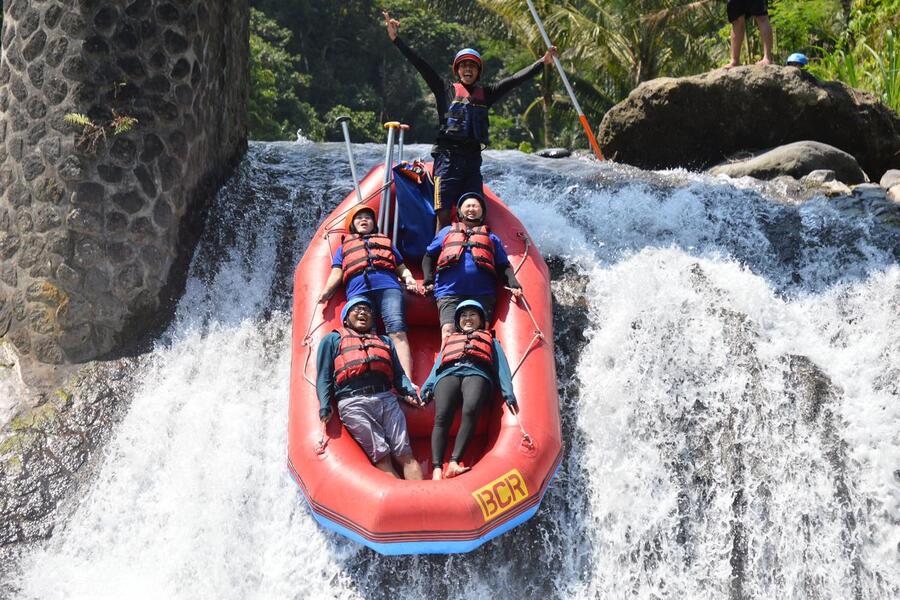
Tips for Handling Strong Currents During Rafting
Facing strong currents during a rafting trip requires attention, teamwork, and the ability to follow instructions. Although the rapids are part of the adventure, participants should understand how to respond when the raft enters faster-moving sections.
Here are some important points to keep in mind during your Telaga Waja River adventure:
1. Stay Calm and Focused
Try to remain calm when the raft enters a rapid. Panic can make it harder to hear the guide’s instructions and coordinate with other participants. Focus on the safety briefing and respond to the guide’s commands.
2. Follow the Guide’s Paddling Instructions
The guide will explain when to paddle, stop paddling, or adjust your position. Follow these instructions rather than trying to control the raft independently. Coordinated movements help the group navigate changing river conditions.
3. Maintain a Stable Position in the Raft
Keep your feet properly positioned and follow the guide’s instructions about body posture. Avoid making sudden movements or leaning outside the raft, particularly when passing through rapids or uneven sections.
4. Wear Your Life Jacket Correctly
Make sure your life jacket is properly fitted and securely fastened before entering the river. It is an important safety device that helps support flotation, but it does not eliminate the risks of rafting. If you fall into the water, follow the safety procedures explained during the briefing and listen to the guide’s rescue instructions.
5. Communicate With Your Rafting Team
Rafting involves cooperation between everyone in the boat. Pay attention to the guide, communicate when necessary, and coordinate your movements with the other participants. Good teamwork can make navigating the river more organized and enjoyable.
Surrounding Natural Beauty: Mountains and Rice Fields
One of the appealing features of rafting in Telaga Waja is the natural scenery surrounding the river. Located in the Mount Agung area of Karangasem, the river passes through a landscape characterized by green hills, tropical vegetation, and rural surroundings. These views create a refreshing atmosphere throughout the rafting journey.
In addition to the mountainous landscape, participants may also see terraced rice fields along parts of the route. The green agricultural scenery offers a contrast to the faster-moving sections of the river. Depending on the route and visibility, participants may enjoy views of local farming areas and the countryside from the water.
The combination of river adventure and natural scenery gives Telaga Waja a distinctive atmosphere. Instead of focusing only on the rapids, participants can also appreciate the surrounding landscape and experience a different side of Bali.
Conclusion: Telaga Waja Rafting Adventure, a Destination for Challenge Lovers
Telaga Waja Rafting Adventure offers an engaging way to explore Bali through an outdoor water activity. Its relatively long routes, varied rapids, and changing river conditions create an adventure that combines physical activity with beautiful natural surroundings. From navigating flowing currents to passing through distinctive river sections, each part of the journey offers something different.
The experience also provides opportunities to appreciate the landscape of Karangasem, including green hills, terraced rice fields, and the natural surroundings of Mount Agung. By preparing properly, following the rafting guide’s instructions, and choosing a package that suits your preferences, you can make Telaga Waja Rafting a memorable part of your Bali holiday.
Frequently Asked Questions
1. Does the rafting journey at Telaga Waja involve paddling continuously?
Not necessarily. Paddling requirements change throughout the route. There may be sections where participants paddle actively to help navigate the raft, while other sections allow the raft to move with the current. The guide will provide instructions based on the river conditions.
2. Why does the rafting duration sometimes differ between operators?
The advertised duration can depend on the route length, starting and finishing points, river conditions, and the pace of the group. Some operators may also describe the total activity time differently from the time spent actually rafting. Check the package details to understand which duration is being advertised.
3. Are the rapids spread evenly throughout the Telaga Waja route?
No. The river has sections with different characteristics. Some parts may have faster currents and more challenging rapids, while others may be relatively calmer. This variation is part of what makes the journey dynamic.
4. Can the appearance of the river change between rafting visits?
Yes. Rainfall, water levels, sediment, and other natural conditions can influence the river’s appearance. As a result, the water color, clarity, and current strength may differ between visits, even when using the same rafting route.
5. Does the downhill direction of the river mean participants do not need to paddle?
No. Although the river flows downstream, participants still need to paddle when instructed by the guide. Paddling helps the group respond to bends, rapids, and changes in the river’s direction.
6. How can participants enjoy the surrounding scenery without losing focus during rafting?
The best approach is to appreciate the scenery during calmer sections when the guide indicates that it is appropriate. During rapids and technical sections, participants should focus on paddling instructions and maintaining their position in the raft.
7. Is the approximately 14–16 kilometer route the same for every Telaga Waja rafting operator?
Not always. Different operators may use different starting points, finishing points, and route arrangements. The advertised distance can therefore vary. Confirm the actual route length and estimated time on the river when selecting a package.
8. What should participants check when choosing a Telaga Waja rafting package?
Check the advertised route length, estimated time on the river, meeting point, transportation arrangements, safety equipment, guide services, and package inclusions. It is also useful to ask whether specific features, such as the approximately four-meter river descent, are included in the selected route.