
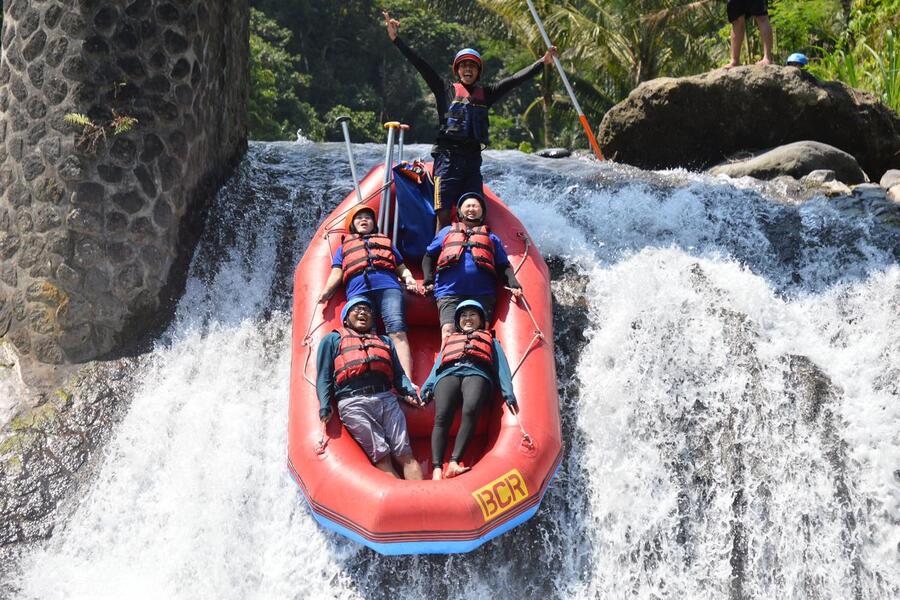
Rafting Telaga Waja River: A Fantastic Water Adventure In Bali!
Rafting Telaga Waja River is an exciting outdoor activity for travelers looking to experience the natural side of East Bali. With a route commonly advertised at approximately 14 kilometers, this rafting trip in Bali takes participants through sections of flowing water surrounded by green hills, rice fields, and tropical vegetation. The combination of river adventure and countryside scenery makes it an appealing option for visitors who want to add something different to their holiday.
Beyond the excitement of navigating rapids, water activities in Bali such as rafting offer an opportunity to enjoy the island from a different perspective. Participants can experience the changing river currents, appreciate the surrounding landscape, and work together as a team throughout the journey. The actual route and time spent on the water may vary depending on the operator and river conditions.
However, the level of challenge is only one part of the experience. Proper preparation, suitable safety equipment, and clear instructions from the rafting guide are essential. River conditions can change with rainfall and water levels, so participants should always follow the operator’s assessment before entering the river.
For travelers planning a Bali Rafting Adventure, Telaga Waja River offers a combination of outdoor exploration, teamwork, and exciting water sections. Understanding what to expect can help you prepare for a more enjoyable trip.
Read More: Complete Guide to Active Vacation at Telaga Waja Rafting
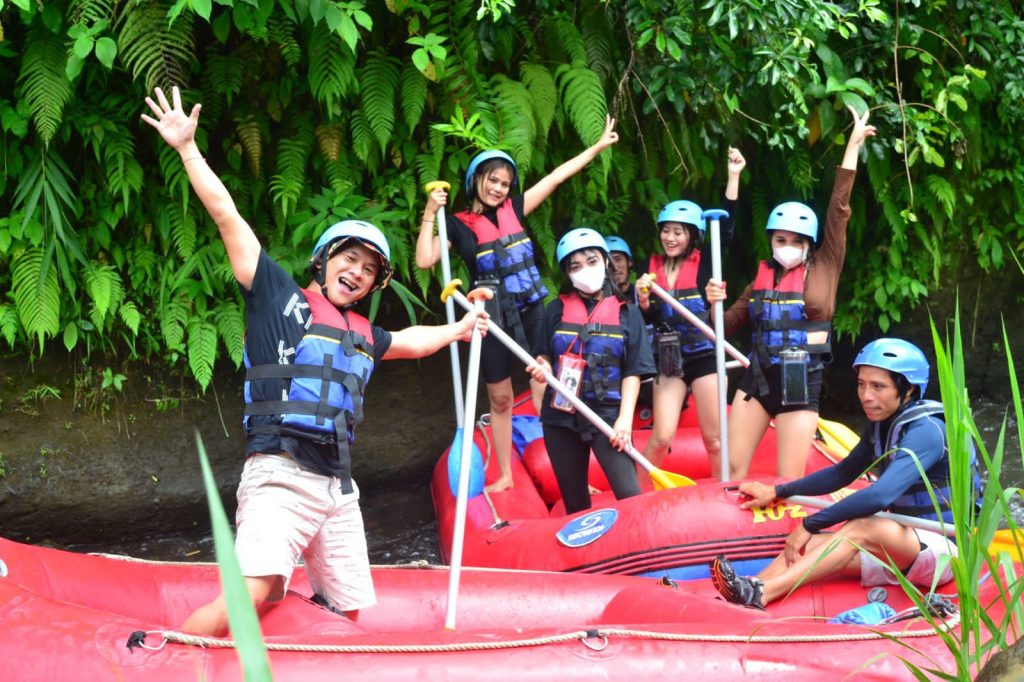
How Extreme Is Rafting Telaga Waja River?
Telaga Waja River is known for its flowing water and a route that includes different types of rapids. The experience can range from relatively manageable sections to more demanding passages that require coordinated paddling and attention to the guide’s instructions.
The river is often associated with rapids advertised between Class II and Class IV. However, the actual difficulty experienced during a trip depends on the route, water level, rainfall, and the operator’s assessment. Rapid classifications describe the technical challenge of moving water; they should not be treated as a guarantee that every section will have the same difficulty.
Some rafting routes also feature a descent near a dam, commonly promoted as a highlight of the journey. The availability and conditions of this section depend on the operator’s route and current safety assessment. Participants should follow the guide’s instructions and should never attempt to approach or descend a dam independently.
The surrounding rocky terrain, bends, and changes in current add variety to the journey. Compared with other rafting rivers in Bali, Telaga Waja provides a distinctive East Bali setting for travelers interested in a river adventure.
Types of Rapids You May Encounter
Rafting on Telaga Waja River takes participants through sections of moving water with different characteristics. Understanding these differences can help first-time rafters know why paddling techniques and teamwork matter throughout the trip.
Strong-Current Sections
Some sections have stronger and faster-moving currents. Participants need to maintain their seating position, pay attention to the guide, and paddle together when instructed. The strength of the current can vary depending on recent rainfall and river conditions.
Wave and Bumpy Sections
Certain parts of the river may create a series of waves and uneven movements beneath the raft. These sections can make the ride feel more dynamic, requiring participants to stay balanced and follow the guide’s commands.
Technical Rapids
Technical sections may involve bends, rocks, and changes in the direction of the current. The guide helps the group navigate these passages by giving paddling instructions and coordinating the raft’s movement.
Dam Descent Sections
Some Telaga Waja rafting packages feature a descent near a dam, which is often promoted as one of the memorable parts of the route. This is not an activity participants should attempt without the operator’s supervision. Whether the section is included depends on the selected route and safety conditions on the day.
Safety Gear and Professional Instructors
Safety preparation is an essential part of rafting in Telaga Waja. Before entering the river, participants should receive a briefing covering basic paddling techniques, seating positions, equipment use, and instructions for responding to unexpected situations.
The operator should provide suitable safety equipment and explain how to wear and use it correctly. Commonly used equipment includes:
- Life Jackets: Participants wear properly fitted life jackets throughout the activity. The guide should check that each participant wears the equipment correctly.
- Safety Helmets: Helmets help protect participants from potential head impacts during the rafting trip. They should be securely fastened before entering the river.
- Paddles: Paddles are used to help maneuver the raft. Participants should follow the guide’s commands rather than paddling independently.
- Waterproof Bags: Some operators provide waterproof storage for selected personal belongings. Availability and capacity may vary, so confirm this service before bringing electronics or valuables.
- Guided Instructions: A rafting guide accompanies the group and provides directions throughout the trip. Ask questions during the briefing if any safety instruction is unclear.
Do not assume that safety equipment removes every risk associated with white-water rafting. Participants should disclose relevant health concerns to the operator, follow the participation requirements, and pay attention to instructions from the guide throughout the activity.
What First-Time Participants May Experience on Telaga Waja River
Trying rafting for the first time can bring a mixture of excitement and nervousness. The sound of flowing water, the movement of the raft, and the sight of approaching rapids may feel unfamiliar at first.
As the journey continues, participants have an opportunity to become more comfortable with the basic paddling commands and the rhythm of moving together as a group. Each person contributes to the raft’s movement, making communication and coordination important throughout the trip.
Some sections may feel more challenging than others. Participants may experience splashes, sudden changes in the raft’s movement, or moments that require everyone to respond quickly to the guide’s instructions. These experiences are part of what makes a rafting experience in Bali memorable for many visitors.
For beginners, the most important thing is not to compete with other participants or attempt difficult movements independently. Listen to the briefing, maintain the recommended position, and follow the guide’s directions. The goal is to enjoy the journey while respecting the river conditions and safety procedures.
Rafting Telaga Waja River: A Fantastic Water Adventure In Bali!
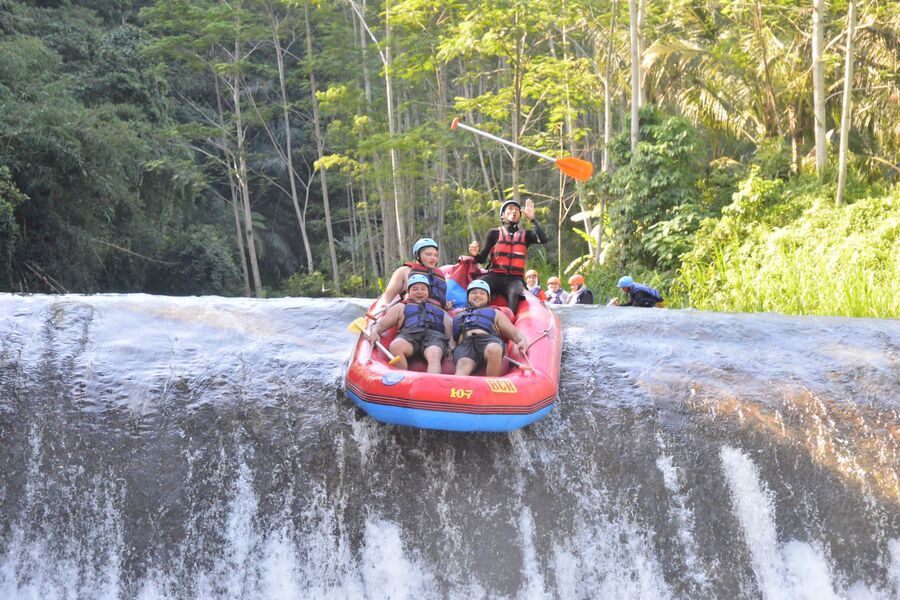
Scenic Spots Along the Telaga Waja Rafting Route
Although the rapids attract many adventure seekers, the surrounding scenery is another part of the Telaga Waja experience. The river passes through areas of natural vegetation and rural landscapes that show a quieter side of East Bali.
Depending on the selected route and current conditions, participants may encounter small waterfalls, rocky riverbanks, green slopes, and bridges crossing the river. These features create interesting views along the journey and provide a contrast to the more active sections of the route.
Some routes may also pass areas where rice fields and agricultural landscapes can be seen from the river. The combination of flowing water, tropical plants, and countryside surroundings gives participants an opportunity to appreciate Bali’s natural environment while enjoying an outdoor activity.
Photography opportunities may be available at suitable points, but participants should only take pictures when the guide confirms that it is safe to do so. Avoid handling cameras or mobile phones while navigating challenging rapids. If you want to bring a device, use suitable waterproof protection and ask the operator about its recommendations.
It is also important to remember that scenery and stopping points are not guaranteed to be identical on every trip. River levels, weather, and route arrangements can affect which areas participants visit.
When Is the Best Season for Rafting in Telaga Waja?
The best time for a Bali Rafting Adventure depends on the type of river experience you prefer, as well as the weather and water conditions on your chosen date. Telaga Waja can be visited during different periods of the year, but rainfall may influence the river’s flow, visibility, and overall difficulty.
Dry Season: April to October
The dry season generally brings less frequent rainfall across many parts of Bali. Travelers may find it easier to plan outdoor activities during this period because there are often more opportunities for dry weather.
However, river conditions are not necessarily identical throughout the season. Water levels and currents can still vary, so participants should follow the operator’s daily assessment rather than assuming that the river will always be calm or stable.
Rainy Season: November to March
During the rainy season, rainfall can influence the amount and speed of water flowing through the river. Some sections may become stronger or more challenging after periods of heavy rain.
This does not mean rafting is automatically available in all weather conditions. Operators need to assess the river and may adjust the route, postpone, or cancel an activity when conditions are considered unsuitable.
School Holidays and New Year Period
School holidays and the New Year period are popular travel times in Bali. Visitors planning to join a rafting trip during these dates may want to make reservations in advance, especially when traveling with a larger group.
Remember that holiday periods are not weather seasons. Check both booking availability and the expected weather conditions before finalizing your plans.
Conclusion: Experience the Excitement of Telaga Waja River
Telaga Waja River offers an exciting outdoor experience for travelers who want to explore a different side of Bali. Its varied river sections, flowing currents, and surrounding countryside create a rafting journey that combines adventure with opportunities to appreciate East Bali’s natural landscape.
From navigating different types of rapids to enjoying the scenery along the route, each part of the trip offers something to experience. First-time participants can also enjoy the activity when they meet the operator’s requirements, prepare properly, and follow the guide’s instructions.
Before booking, check the selected route, available facilities, safety arrangements, and current river conditions. The operator’s assessment is especially important during periods of heavy rainfall.
If you are looking to add an outdoor adventure to your Bali itinerary, consider exploring the available packages at Telaga Waja Rafting and confirm the details of your preferred trip before visiting.
Frequently Asked Questions
1. What does a Class II to Class IV rapid classification mean?
Rapid classifications describe the technical difficulty of moving water. Lower classes generally involve more manageable passages, while higher classes require greater maneuvering skills and attention. The actual conditions on Telaga Waja River can vary, so ask the operator about the route planned for your activity.
2. Why does the raft sometimes move differently between sections of the river?
The movement of a raft depends on current speed, water depth, rocks, river bends, and the shape of each section. Changes in these conditions can make the raft move more smoothly in some areas and more dynamically in others.
3. Do participants need to know how to paddle before joining the trip?
Previous rafting experience is not necessarily required for every package. The operator should provide a briefing about basic paddling techniques and commands before the activity. Participants should listen carefully and follow the guide throughout the journey.
4. Is the dam descent included in every Telaga Waja rafting package?
Not necessarily. The descent near a dam may be featured in certain routes, but its availability depends on the operator’s arrangements and the safety assessment on the day. Confirm this detail when choosing a package.
5. Can participants stop to enjoy the scenery during the rafting journey?
Stopping opportunities depend on the route, river conditions, and the guide’s decisions. Some areas may allow a brief pause, while other sections need to be navigated without stopping. Participants should never leave the raft or attempt to stop independently.
6. Why can the appearance of the river water change after rainfall?
Rainfall can carry soil and natural sediment into the river, affecting water color and visibility. The amount of rainfall in the surrounding area can also influence water levels and current strength. Water appearance alone should not be used to determine whether rafting conditions are safe.
7. What should participants do if they feel nervous when approaching a rapid?
Stay in the recommended position, keep your safety equipment properly secured, and listen to the guide’s instructions. Avoid sudden movements or attempting to change position without guidance. If you feel uncomfortable, inform the guide before the activity begins.
8. Can the rafting route change on the day of the activity?
Yes. The operator may adjust the route or activity arrangements based on water levels, rainfall, and other safety considerations. Confirm the latest information with the provider before starting the trip.