
Rafting in Karangasem: Best River for an Exciting Challenge
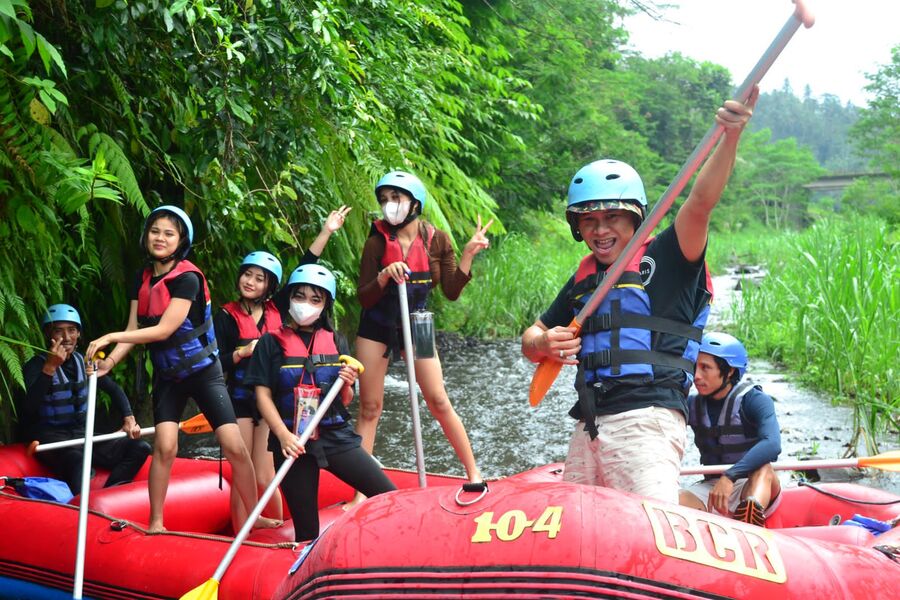
Rafting in Karangasem is an exciting outdoor activity for travelers looking for a memorable whitewater rafting experience in Bali. One of the main attractions in this area is the Telaga Waja River, which is known for its relatively long rafting route, varied rapids, and beautiful natural surroundings.
Located in the mountainous region of eastern Bali, the river offers an opportunity to explore the island’s countryside from a different perspective. Along the journey, participants may encounter green hills, rice fields, rocky riverbanks, and sections of flowing water that create an adventurous atmosphere.
For water sports enthusiasts, rafting in Bali is an opportunity to combine physical activity with nature exploration. Whether you have previous rafting experience or are interested in trying a more challenging river, understanding the route, river conditions, and available facilities can help you choose the right package.
Length and Difficulty Level of the Telaga Waja River
The Telaga Waja River is commonly promoted with rafting routes of approximately 14 kilometers, although some package descriptions may advertise different distances depending on the operator and route. The time spent on the water is often around 2 to 3 hours, depending on river conditions, stops, and the selected itinerary.
In terms of difficulty, some sections are described as Grade III to IV whitewater. These classifications indicate that certain rapids can require active paddling, coordination, and attention to the guide’s instructions. However, the difficulty of a river can change with water levels, rainfall, and route selection.
Rather than assuming that every section has the same difficulty, participants should ask the operator about the current river conditions and the route planned for their activity. This is particularly important for first-time rafters and travelers who have experience on other rivers.
Read More: Telaga Waja Rafting Adventure: The Best Rafting Package
Extreme and Challenging Terrain of Rafting in Karangasem
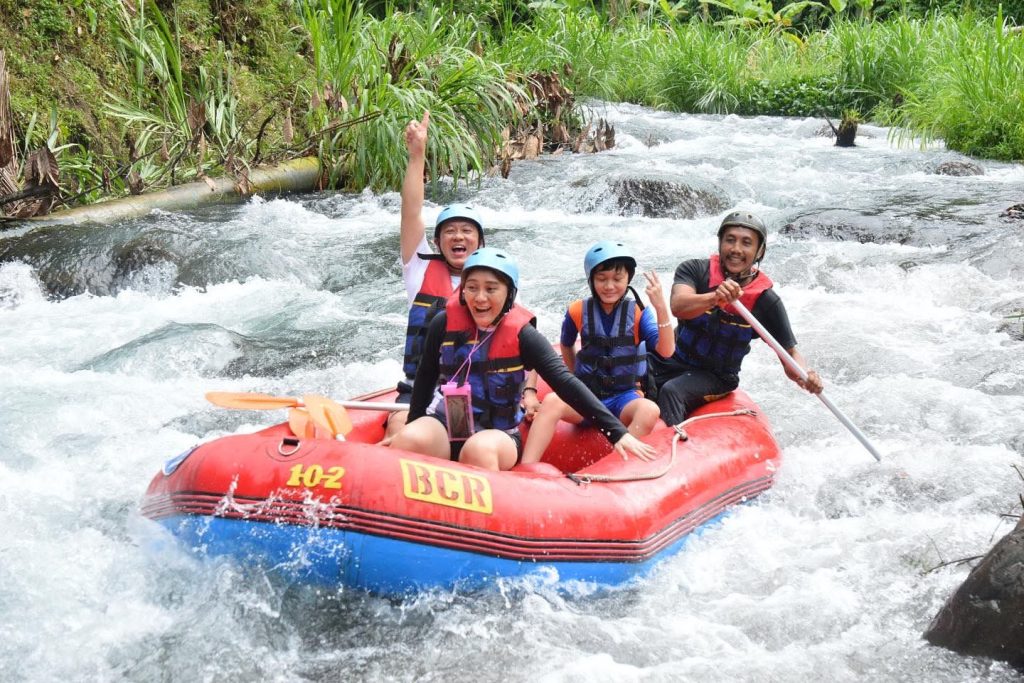
One reason travelers choose rafting in Karangasem is the variety of river features found along the Telaga Waja route. Different sections may present different challenges, making the journey an engaging outdoor experience.
Here are some terrain features that participants may encounter, depending on the route and river conditions:
- Multi-Level Rapids: Certain sections feature successive changes in water level and uneven currents. These require participants to follow paddling commands and maintain coordination with the rest of the group.
- Steep Riverbanks and Sharp Turns: Some stretches are bordered by rocky slopes and winding river sections. These natural features create a dramatic landscape and require guides to navigate the raft carefully.
- Small Waterfalls and Tributaries: Depending on the route, participants may pass areas where smaller streams or waterfalls flow into the river. These features contribute to the changing scenery along the journey.
- Large Rocks and Narrow Sections: Rocks and narrower passages can influence the direction and movement of the current. Guides help participants navigate these areas while coordinating the raft.
- A Route-Specific River Drop: Some Telaga Waja rafting packages highlight a drop of approximately 4 meters as one of the route’s main attractions. However, this feature should not be assumed to be included in every trip. Confirm its availability and the operator’s current safety arrangements before booking.
Location, Access, and Supporting Facilities Around Rafting in Karangasem
The rafting location in Karangasem is commonly associated with the Muncan Village area, in Rendang District, Karangasem Regency, eastern Bali. The surrounding landscape includes rural settlements, agricultural areas, and views of the mountainous region near Mount Agung.
For visitors staying in popular tourist areas, reaching the rafting location requires some travel planning. The journey from Kuta, Sanur, or Ubud can take approximately 1.5 to 2 hours or longer, depending on the starting point, traffic, road conditions, and the exact meeting location.
Visitors can arrange transportation independently or ask their chosen rafting operator whether a shuttle or hotel pickup service is available. Pickup coverage and additional transportation charges may differ between packages.
The surrounding roads pass through parts of Bali’s countryside, offering views of villages, green landscapes, and agricultural areas. However, travel time should be treated as an estimate rather than a fixed schedule, especially when planning activities before or after rafting.
Supporting Facilities at the Rafting Location
Many rafting operators provide facilities to help participants prepare before the activity and freshen up afterward. Depending on the operator and package, these may include:
- Changing rooms for preparing before and after rafting.
- Bathrooms and showers, with hot water available at some locations.
- Lockers or designated storage areas for personal belongings.
- Rest areas for participants.
- Restaurants or dining areas where meals may be served.
The availability and condition of these facilities can vary between operators. Lunch, welcome drinks, showers, and locker use may also depend on the selected package. It is best to confirm the details before making a reservation.
Tips and Tricks for a More Enjoyable Rafting Experience
To make your rafting experience at Telaga Waja more comfortable and enjoyable, prepare a few essentials before arriving at the rafting location.
1. Wear Suitable Clothing
Choose lightweight clothing that dries relatively quickly, such as sportswear or swimwear. Avoid thick clothing that may become heavy when wet. Comfortable clothing also makes it easier to move while paddling.
2. Bring a Change of Clothes and Waterproof Bags
You will likely get wet during the activity, so prepare a complete change of clothes for afterward. A waterproof bag can also help protect items that need to stay dry. Check with the operator about where personal belongings can be stored during the trip.
3. Pay Attention During the Safety Briefing
The guide will explain paddling techniques, seating positions, and important safety procedures before departure. Listen carefully and ask questions if any instruction is unclear. Understanding the guide’s commands helps the group respond together during the journey.
4. Stay Calm When Navigating Rapids
Different river sections may require different responses. Follow the guide’s instructions rather than making sudden movements or attempting to navigate independently. If you fall into the water, follow the safety procedures explained during the briefing and the guide’s directions.
5. Apply Sunscreen and Stay Hydrated
Outdoor activities can involve extended exposure to sunlight, even when you spend much of the time on the river. Apply suitable sunscreen before the activity and drink enough water before departure. Follow the operator’s guidance about bringing drinks during the trip.
Reviews and Experiences from Rafting Visitors in Karangasem
Visitor experiences are an important consideration when choosing a rafting destination. Travelers often evaluate more than the rapids themselves, including the scenery, guide communication, activity arrangements, and facilities available before and after the trip.
At Telaga Waja, the combination of river challenges and rural landscapes is one of the main attractions. Participants may appreciate the changing scenery along the route while working together to navigate different sections of the river.
For families and groups, the experience can also provide an opportunity to communicate and cooperate during an outdoor activity. However, the suitability of a trip depends on each participant’s abilities, the operator’s requirements, and the current river conditions.
Before booking, consider checking recent and independently published visitor reviews. Look for comments about the specific operator, guide service, equipment, transportation arrangements, and facilities rather than relying only on general descriptions of the destination.
If you want to experience this activity yourself, visit telagawajarafting.id to explore the available rafting options and ask about the latest arrangements for your preferred date.
Conclusion
Rafting in Karangasem offers an exciting way to explore eastern Bali, with the Telaga Waja River standing out for its relatively long route, varied rapids, and natural surroundings. From challenging river sections to views of the countryside, the experience combines outdoor adventure with an opportunity to appreciate Bali beyond its popular tourist attractions.
Before selecting a rafting package, consider the route length, current difficulty level, transportation arrangements, and available facilities. Remember that river conditions can change, so confirming the latest information with the operator is an important part of planning.
With suitable preparation, clear communication with your guide, and an understanding of the activity’s safety procedures, a rafting adventure in Karangasem can become a memorable part of your Bali holiday.
Frequently Asked Questions About Rafting in Karangasem
1. Is Telaga Waja located entirely within Karangasem Regency?
The Telaga Waja rafting destination is associated with the Muncan Village and Rendang area in Karangasem Regency. However, the exact meeting point, starting point, and finishing point may differ between rafting operators.
2. What should I confirm about the rafting meeting point before leaving my hotel?
Ask for the exact meeting-point address or map location, the required arrival time, and the contact details of your operator. This helps avoid confusion between the rafting office, hotel pickup point, and actual river access area.
3. Are there different access routes to the Telaga Waja rafting area?
Yes. The route you take depends on your accommodation area and the operator’s meeting point. Travelers coming from Ubud, Sanur, or southern Bali may use different roads, so it is useful to confirm the recommended route before departure.
4. Can I arrange transportation separately from the rafting package?
This depends on the operator’s booking arrangements. Some packages may offer transportation as an optional service, while others may require participants to arrange their own journey. Confirm pickup coverage and any additional charges in advance.
5. Why should I check the exact location of the rafting basecamp?
The basecamp is where participants may register, prepare, store belongings, or use facilities before and after the activity. Knowing its exact location helps you plan your arrival and understand where the rafting arrangements begin and end.
6. Are all supporting facilities located next to the river?
Not necessarily. Some facilities may be available at the operator’s basecamp rather than directly beside the river. Ask where registration, changing rooms, storage, and post-rafting services are located before your trip.
7. Can I rely on the estimated travel time when planning another activity afterward?
It is better to leave additional time. The journey to Karangasem, registration, preparation, time on the water, and post-rafting arrangements can all affect your schedule. Traffic and river conditions may also cause changes to the estimated timing.
8. How can I check whether visitor reviews describe the same rafting operator I plan to book?
Check the operator’s business name, location, and package details in the review source. This is important because reviews about the Telaga Waja destination may refer to different companies with different routes, guides, facilities, and service arrangements.