
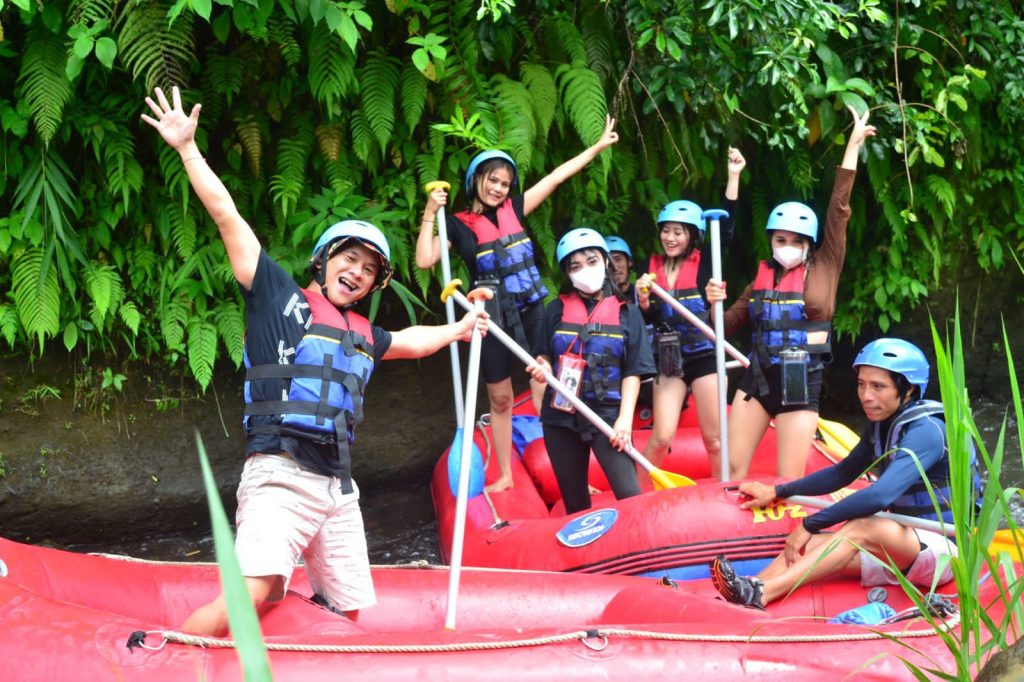
Favorite Rafting Place: Telaga Waja River Rafting Bali
Telaga Waja River Rafting Bali is a popular outdoor adventure for visitors who want to explore Bali’s natural scenery while experiencing the excitement of whitewater rafting. Located in Karangasem Regency, East Bali, the Telaga Waja River is known for its flowing water, challenging rapids, and green surroundings.
The rafting area is approximately 60 kilometers from Denpasar, although actual travel time depends on traffic and the starting point. Many commercial rafting routes cover around 14–16 kilometers and take approximately 2–3 hours on the water, depending on the operator and river conditions.
A typical rafting trip begins with arrival at the designated meeting point or rafting basecamp. Participants check in, prepare their belongings, receive the necessary safety equipment, and attend a briefing before heading to the river. Once the activity begins, the guide leads the group through different sections of the route, which may include rapids and scenic stretches along the river.
After completing the rafting trip, participants may be able to enjoy lunch and use the facilities at the rafting basecamp, depending on the package they have booked. With its combination of adventure, natural scenery, and opportunities to spend time outdoors, Telaga Waja is an appealing destination for travelers exploring Bali.
Advantages of Telaga Waja River for Rafting Tourism
The Telaga Waja River is known for its relatively long commercial rafting routes, varied rapids, and scenic surroundings. These features make it an attractive option for travelers seeking more than a short outdoor activity.
The length of the route and the time required to complete it depend on the operator’s starting and finishing points, as well as the river conditions. Some trips also include short stops at designated locations where participants can rest or take photographs.
For more information about preparing for this activity, read Everything You Need to Know Before Bali Telaga Waja Rafting.
1. Convenient Access to the River
Access to the river is an important consideration when choosing a rafting destination. Some Telaga Waja rafting operators have basecamps and dining facilities located relatively close to the river, helping reduce the distance participants need to walk before or after the activity.
This can be convenient for visitors who prefer not to navigate long stairways or steep paths to reach the river. However, access conditions vary between operators and locations, so it is worth asking about the walking distance, stairs, and terrain when making a reservation.
Choosing an operator with suitable access arrangements can make the overall rafting experience more comfortable, particularly for families and visitors who may have difficulty walking on uneven ground.
2. An Option for Family Rafting
Rafting can be an enjoyable way for families to experience an outdoor adventure together. Participants work as a team, listen to the guide’s instructions, and paddle together as the raft moves along the river.
However, Telaga Waja is commonly described as having Class III–IV rapids on some commercial routes. These sections can involve strong currents and require coordinated paddling, so the activity should not automatically be considered suitable for every child or family member.
Families should check the operator’s minimum age requirements, current river conditions, and safety procedures before booking. The operator can explain whether the planned route is appropriate for the children and adults in the group.
When the route and conditions are suitable, a guided rafting trip can provide an opportunity for family members to cooperate, build confidence, and enjoy Bali’s natural surroundings together.
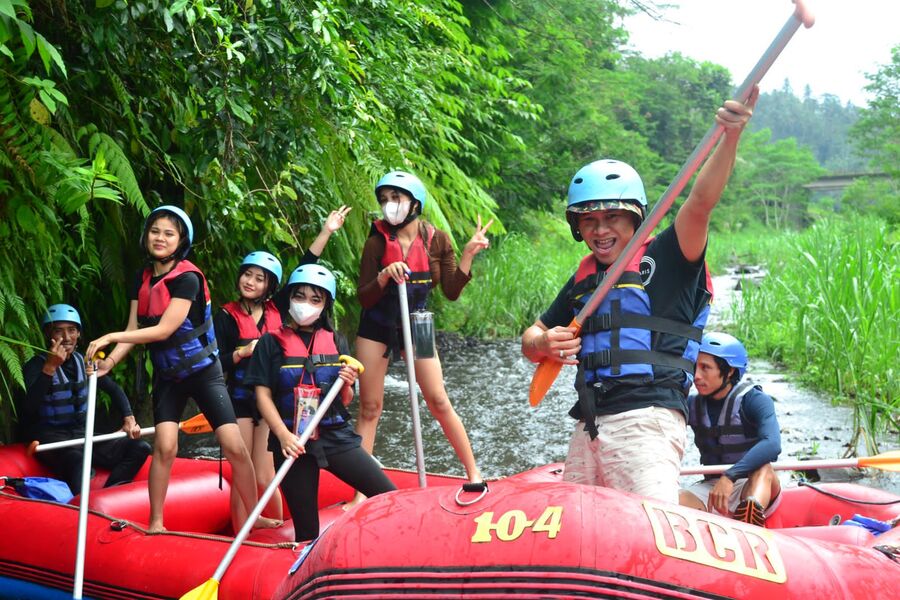
3. Fresh Air and a Rural Setting
The Telaga Waja River flows through a rural part of East Bali, offering a different atmosphere from the island’s busier tourist areas. Along the route, participants may see green vegetation, agricultural land, trees, and other features of the countryside.
Spending time in this environment can be a refreshing break from busy roads and urban surroundings. The amount of shade, vegetation, and exposure to nearby roads or settlements varies along the river, but many sections offer an opportunity to appreciate Bali’s natural landscape.
The experience combines physical activity with time outdoors, making it appealing to travelers who want to explore a different side of the island.
4. Changing River Clarity
Water conditions are another feature that can influence the Telaga Waja rafting experience. Depending on rainfall, river flow, and other environmental factors, the water may appear relatively clear at some times and more turbid at others.
During periods of heavy rain, sediment and runoff can make the river look muddy. These changes are natural in many rivers and do not necessarily indicate a specific water-quality condition.
Because water levels and clarity can change, visitors should avoid assuming that the river will always look the same. The operator’s assessment of current conditions is more important when determining whether a rafting trip can proceed safely.
5. Beautiful Natural Surroundings
The natural scenery is one of the attractions of rafting on the Telaga Waja River. Depending on the route, participants may see tropical vegetation, coconut trees, other riverside plants, green hills, and sections of the surrounding countryside.
These landscapes create a scenic backdrop throughout the trip. Between rapids, participants may have opportunities to appreciate the vegetation and rural environment while following the guide’s instructions.
Some routes also pass waterfalls or smaller cascades along the river. Depending on the location and conditions, the water may create refreshing splashes as the raft passes nearby. Designated stops may provide opportunities to take photographs, but participants should only leave the raft or approach river features when instructed by their guide.
The combination of moving water, green scenery, and changing river features gives visitors a chance to experience Bali’s natural environment from a different perspective.
Try a Bali Rafting Adventure with Us
If you are planning a trip to Bali and want to include an outdoor adventure in your itinerary, consider Telaga Waja River Rafting. The experience combines a guided river journey with opportunities to enjoy the natural surroundings of Karangasem.
Before booking, check the route details, estimated duration, included facilities, and safety procedures. Ask about current river conditions and whether the activity is suitable for everyone in your group, especially children or participants with physical limitations.
Rafting always involves some level of risk, and no operator can guarantee that an outdoor activity will be completely risk-free. A responsible operator should provide appropriate safety equipment, explain the necessary procedures, and postpone or cancel a trip when conditions are unsuitable.
Contact the rafting operator to learn more about available packages, meeting arrangements, and current booking options. With the right preparation and realistic expectations, Telaga Waja River Rafting can be a memorable way to experience Bali’s outdoor scenery.
Frequently Asked Questions
1. How far is Telaga Waja River from Denpasar?
The rafting area is approximately 60 kilometers from Denpasar, although the exact distance depends on the starting point and the rafting basecamp. Travel time varies with traffic and road conditions, so allow extra time when planning your departure.
2. How long does Telaga Waja River Rafting take?
Many commercial routes take approximately 2–3 hours on the water. The actual duration depends on the route, river conditions, the group’s pace, and any scheduled stops. Check-in, safety briefings, transportation, and post-rafting activities require additional time.
3. Is Telaga Waja River Rafting suitable for families with children?
It may be suitable for some families, but eligibility depends on the child’s age, the operator’s rules, and current river conditions. Because some routes include challenging rapids, parents should confirm suitability directly with the operator before booking.
4. Does Telaga Waja rafting involve climbing many stairs?
Access arrangements vary between rafting operators. Some basecamps are relatively close to the river, while others may involve stairs, slopes, or uneven paths. Ask about the walking distance and terrain if convenient river access is important to your group.
5. Why does Telaga Waja River sometimes look muddy?
Rainfall can carry soil and sediment into the river, changing its color and clarity. The river may look clearer during some conditions and more turbid after heavy rain. Appearance alone does not provide a complete assessment of water quality or rafting safety.
6. Can visitors see waterfalls during Telaga Waja rafting?
Some routes pass waterfalls or smaller cascades along the river. The specific features you encounter depend on the route and current conditions. Ask your operator whether waterfall views or designated photography stops are included.
7. Does every Telaga Waja rafting package include lunch?
Not necessarily. Meals and other facilities depend on the package and operator. Confirm whether lunch, shower facilities, changing areas, transportation, and other services are included before making a reservation.
8. What makes Telaga Waja different from a short rafting route?
Many Telaga Waja commercial routes cover approximately 14–16 kilometers, offering an extended river journey with varied rapids and natural scenery. The actual distance and duration depend on the operator, so compare route details when choosing a package.
9. Is Telaga Waja rafting safe when the river current is strong?
Strong currents can make rafting more challenging and increase the risks involved. The operator should assess river conditions and determine whether the trip can proceed. Participants must use the required safety equipment and follow the guide’s instructions throughout the activity.
10. What should I check before booking Telaga Waja River Rafting?
Confirm the route length, estimated duration, minimum age requirements, safety procedures, equipment, included meals, access conditions, and cancellation policy. Ask about current river conditions and make sure the activity is appropriate for everyone in your group.