
Excitement Of Bali Telaga Waja Rafting: The Best Activity!
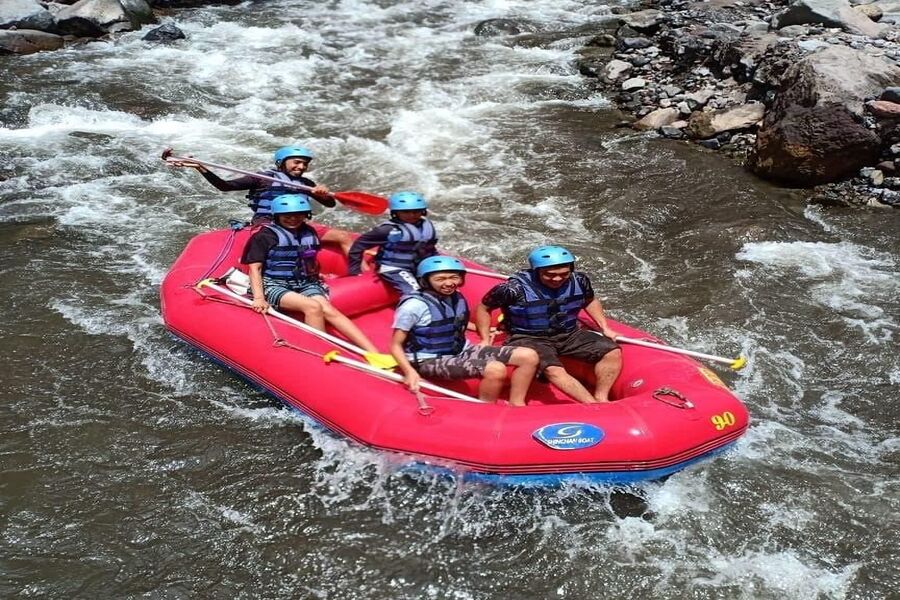
Bali Telaga Waja Rafting is a popular rafting activity in Bali for travelers who want to combine outdoor adventure with beautiful natural scenery. Located in Karangasem, East Bali, the Telaga Waja River is known for its flowing currents, exciting rapids, and an extended rafting route that is often around 14–16 kilometers, depending on the operator.
Along the journey, participants can enjoy views of green rice fields, tropical vegetation, hills, and other natural surroundings. The combination of river challenges and countryside scenery makes rafting in Telaga Waja an appealing activity for adventure seekers visiting Bali.
The river is also known for sections of relatively clear water, although its appearance and flow can change depending on rainfall and weather conditions. With different sections along the route, participants can experience a variety of river conditions, from smaller rapids to more demanding passages. Beginners may also be able to participate when they meet the operator’s requirements and follow the guide’s instructions.
Read More: Complete Guide to the Best Rafting Experience in Telaga Waja
Why Is Telaga Waja a Favorite Choice for Rafting?
Bali Telaga Waja Rafting attracts visitors because it combines an extended route, exciting river conditions, and scenic surroundings. Here are some features that make this activity worth considering during a Bali holiday.
1. Exciting River Currents and Rapids
The Telaga Waja River features a variety of currents and rapids that create an exciting rafting journey. Participants may encounter calmer sections as well as faster-flowing passages that require coordination and attention.
Water conditions can vary throughout the year, particularly after rainfall. Therefore, the actual level of difficulty depends on the weather, water conditions, and the operator’s route assessment on the day of the activity.
2. An Extended Rafting Route
The rafting route is commonly offered at approximately 14–16 kilometers, with around 2–3 hours spent on the water, depending on the operator and river conditions.
This extended journey gives participants more time to experience different sections of the river. From navigating rapids to enjoying quieter stretches, the route offers a varied outdoor adventure rather than a short rafting session.
3. Safety Equipment and Professional Guides
A rafting trip requires suitable equipment and guidance throughout the journey. Participants are generally provided with essential equipment such as helmets and life jackets, while trained guides explain paddling techniques, safety procedures, and how to respond to different river conditions.
Before departure, participants should check that their equipment fits properly and pay attention to the safety briefing. Following the guide’s instructions is important because river conditions can change along the route.
4. Beautiful Natural Scenery
The journey offers more than just river challenges. Participants can enjoy views of green rice fields, tropical vegetation, hills, and other natural features along the riverbanks.
These surroundings create opportunities to appreciate the countryside of East Bali while taking part in an active outdoor experience.
5. The Excitement of a Steep River Descent
One of the features often associated with Telaga Waja rafting is a steep descent over a river drop or dam section. Some operators describe this feature as approximately four meters high, although the exact structure and experience depend on the route being used.
This section can become one of the most memorable moments of the trip. Participants should follow the guide’s directions carefully and only proceed when the guide confirms that conditions are suitable.
6. An Adventure for Different Experience Levels
Telaga Waja rafting may appeal to both first-time participants and people who have tried rafting before. However, not every section or water condition is suitable for everyone.
Beginners should choose an operator that provides an appropriate route, clear instructions, and suitable assistance. Participants should also check age, health, and other eligibility requirements before booking.
How Rafting in Telaga Waja Differs from Other Rivers in Bali
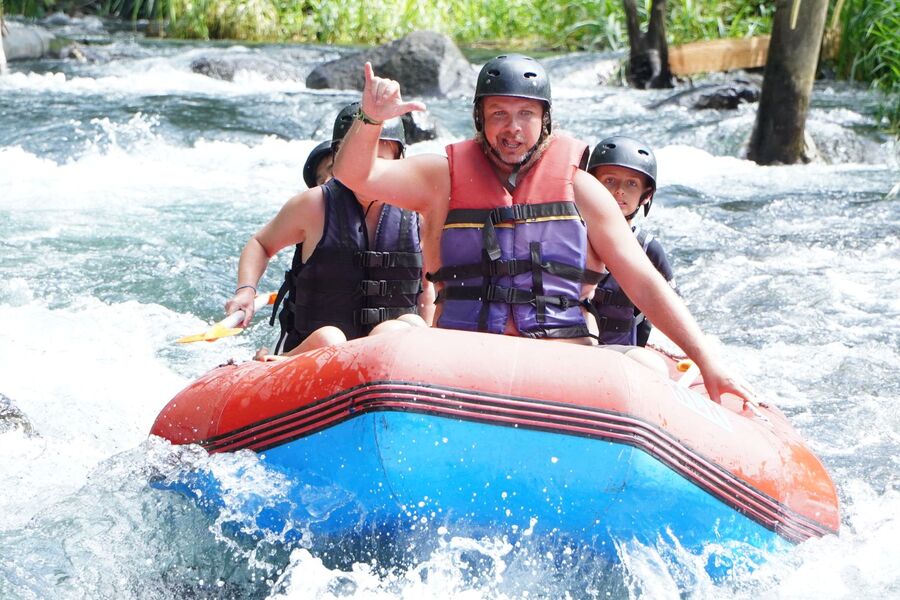
Bali has several rivers where visitors can enjoy white-water rafting. Each offers a different atmosphere, route, and level of challenge. Telaga Waja is often considered by travelers who want an extended rafting journey with varied river conditions.
Telaga Waja River vs. Ayung River
The Telaga Waja River in Karangasem is known for its extended route and sections of faster-flowing water. It may appeal to visitors looking for a longer rafting adventure.
Meanwhile, the Ayung River near Ubud is often chosen by beginners and travelers who want to combine rafting with views of its distinctive riverside scenery, including carved stone reliefs along certain sections.
Telaga Waja River vs. Melangit River
The Melangit River offers a different rafting atmosphere, with a shorter route and sections that can require technical paddling. Telaga Waja, on the other hand, is commonly associated with a longer journey and a combination of rapids and countryside views.
The most suitable river depends on the experience participants want, their group’s abilities, and the conditions on the day of the activity.
Best Weather and Season for Rafting in Telaga Waja
Rafting in Telaga Waja is offered throughout much of the year, but weather and seasonal conditions can influence the experience. Understanding the differences between the dry and rainy seasons can help visitors plan their trip.
Dry Season (April–October)
The dry season generally brings less rainfall and more opportunities to enjoy outdoor activities in sunny weather. Visitors may also find it easier to enjoy the surrounding countryside when visibility is good.
However, water levels and currents can still vary. A dry-season trip does not automatically mean that the river will have the same conditions every day.
Rainy Season (November–March)
During the rainy season, rainfall may increase the river’s water level and affect the speed of the current. This can change the character of the rafting journey and may require additional attention from the operator.
Rafting availability depends on the actual river conditions and the operator’s safety assessment. Visitors should check with the provider before departure, especially after heavy rainfall.
Physical and Mental Preparation Before Rafting
Good preparation helps participants enjoy the rafting journey more comfortably. Before heading to the river, consider the following points.
1. Check Your Physical Condition
Make sure you are feeling well-rested and fit enough for an outdoor water activity. If you have a medical condition, recent injury, or physical limitation, discuss it with the operator before booking.
Some health conditions may make rafting unsuitable, depending on their severity and the river conditions.
2. Wear Appropriate Clothing
Choose lightweight clothing that dries quickly, such as swimwear or comfortable sportswear. Water-resistant footwear or secure sandals are also useful because participants may need to walk on wet or uneven surfaces.
Avoid heavy clothing that can become uncomfortable when wet.
3. Warm Up Before Starting
Light stretching can help prepare your arms, shoulders, legs, and back for paddling. Follow any warm-up instructions provided by the guide, and avoid pushing yourself beyond your physical limits.
4. Prepare Yourself Mentally
Rafting involves changing water conditions, splashes, and moments that require teamwork. Stay calm, listen carefully during the briefing, and communicate with your guide if you feel uncertain.
There is no need to rush or imitate more experienced participants. Focus on following instructions and working together with your group.
5. Leave Valuables in a Safe Place
Avoid bringing wallets, jewelry, or unprotected electronic devices onto the raft. If you want to take photographs, ask the operator about available photography services or suitable waterproof equipment.
Rules and Ethics During Rafting
Following basic rafting rules helps participants work together and respond appropriately to instructions from the guide.
1. Wear Safety Equipment Correctly
Helmets and life jackets should be worn as instructed and adjusted to fit properly. Do not loosen or remove safety equipment during the trip unless the guide tells you to do so.
2. Follow the Guide’s Directions
Listen carefully to paddling commands and instructions about body position. Guides assess the river conditions and coordinate the group’s movements through different sections.
3. Remain Seated When Required
Do not stand in the raft while navigating rapids or moving through sections where the guide instructs everyone to remain seated. Sudden movements can affect the raft’s balance.
4. Keep the River Clean
Do not throw plastic, food packaging, or other rubbish into the river. Keep personal waste with you until it can be disposed of properly.
Respecting the natural surroundings helps preserve the river environment for local communities, wildlife, and future visitors.
Instagram-Worthy Photo Spots Along the River
The natural scenery along Telaga Waja can provide memorable photography opportunities. However, taking pictures should never interfere with paddling or safety instructions.
1. Small Waterfalls and Water Features
Some sections of the river may offer views of small waterfalls or flowing water along the banks. These natural features can create attractive backgrounds, depending on the route and water conditions.
2. The Steep Descent Section
The descent is often one of the most recognizable moments of a Telaga Waja rafting trip. It can make an exciting action photograph, but participants should only use cameras when the guide confirms that doing so is safe.
3. Tropical Vegetation and Green Rice Fields
The surrounding hills, rice fields, and tropical vegetation provide a different kind of photo opportunity. These quieter views are ideal for capturing the countryside atmosphere during calmer sections of the journey.
If you want photographs or videos of the trip, check whether the operator provides a photography service and whether additional fees apply.
Combination of Rafting with Other Tourism Activities Around Telaga Waja
After completing your rafting trip, you can explore other attractions in East Bali and nearby areas. Combining activities can make your holiday more varied, but remember to consider travel time between destinations.
1. Visit Besakih Temple
Besakih Temple is one of Bali’s most important temple complexes, located on the slopes of Mount Agung. Visitors can explore its temple grounds and learn more about Balinese Hindu traditions.
Travel time from the rafting area depends on the exact starting point and traffic conditions.
2. Explore Bukit Jambul
Bukit Jambul is known for its scenic views of rice fields, hills, and the surrounding countryside. It can be a pleasant stop for visitors who want to enjoy East Bali’s landscape.
3. Discover Agro-Tourism in Sidemen
Sidemen is known for its rural scenery, agricultural landscapes, and traditional village atmosphere. Visitors can explore the area and discover local plantation products, depending on the activities offered by individual providers.
These destinations can be arranged as separate stops or included in a wider East Bali itinerary.
Conclusion: Why Should Bali Telaga Waja Rafting Be on Your Vacation List?
Bali Telaga Waja Rafting offers a combination of outdoor adventure, varied river conditions, and beautiful natural surroundings. Its extended route, exciting rapids, and steep descent make it an appealing activity for visitors who want to experience a different side of Bali.
Beyond the excitement on the water, the journey also provides an opportunity to appreciate the countryside of Karangasem and enjoy time outdoors with friends or family. With proper preparation, suitable equipment, and guidance from the rafting team, participants can make the most of their trip while respecting the river environment.
If you are planning an adventure holiday in Bali, consider adding Telaga Waja rafting to your itinerary. Contact the rafting provider in advance to confirm the route, available facilities, schedule, and participant requirements before booking.
Frequently Asked Questions
1. What makes the Telaga Waja rafting route feel different from a short rafting trip?
Its commonly offered 14–16 kilometer route provides more time on the river and allows participants to experience different sections, including rapids and calmer stretches. The exact distance depends on the operator’s route.
2. Does every Telaga Waja rafting trip include the steep descent?
Not necessarily. The route and features can differ between operators. Ask the provider whether the advertised descent is included in the specific package you plan to book.
3. Can participants enjoy the surrounding scenery while navigating rapids?
Yes, but attention should remain on the guide’s instructions and the river ahead during challenging sections. Calmer stretches may provide better opportunities to appreciate the rice fields, hills, and vegetation along the river.
4. Is the comparison between Telaga Waja and Ayung rafting mainly about scenery or difficulty?
Both rivers offer different experiences. Telaga Waja is commonly associated with an extended route and faster-flowing sections, while Ayung is known for its riverside scenery and carved stone reliefs along certain sections. Actual difficulty depends on river conditions and the route selected.
5. Are the small waterfalls mentioned along the route guaranteed to be visible?
No. Waterfall visibility and flow can depend on rainfall, season, and the route used by the operator. Treat them as possible scenery rather than a guaranteed feature of every trip.
6. Can visitors arrange sightseeing after rafting in Karangasem?
Yes. Visitors can plan additional stops such as Besakih Temple, Bukit Jambul, or Sidemen, depending on their schedule and transport arrangements. Allow enough time for the rafting activity and travel between destinations.
7. What should photography enthusiasts confirm before booking?
Ask whether the operator offers photographs or video recordings, whether the service has an additional fee, and how the team handles photography during the trip. Participants should not use personal cameras in challenging sections unless the guide confirms it is safe.
8. Why should visitors check the river conditions before choosing a rafting date?
Rainfall can affect water levels, current speed, and the overall character of the route. Checking with the operator helps visitors understand the expected conditions and whether the trip can proceed safely on their chosen date.