
Bali Telaga Waja Rafting Adventure For Your Ultimate Thrill
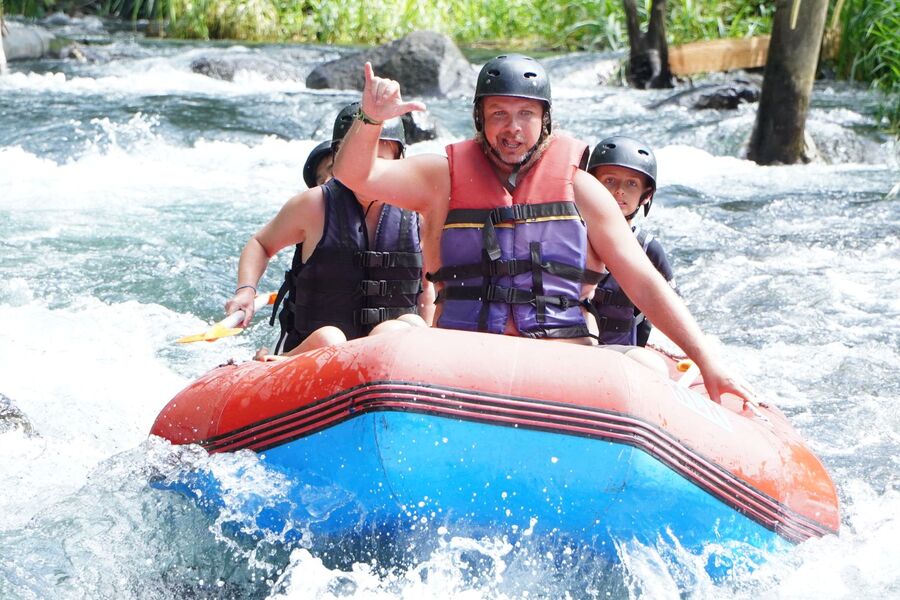
Bali Telaga Waja Rafting is an exciting rafting activity in Bali for travelers looking for an adrenaline-filled outdoor adventure. Located in Karangasem Regency, East Bali, the Telaga Waja River is known for its flowing currents, varied rapids, and extended rafting route.
The rafting route is commonly offered at approximately 14–16 kilometers, depending on the operator, with around 2–3 hours spent on the water. This extended journey gives participants the opportunity to experience different river sections, from calmer stretches to more challenging rapids. Along the way, they can also enjoy natural scenery such as tropical vegetation, green hills, terraced rice fields, and small waterfalls in certain areas.
Telaga Waja rafting offers more than just river challenges. Participants may also catch glimpses of local countryside life, including agricultural landscapes and village surroundings along the riverbanks. The combination of adventure and natural scenery makes it an appealing activity for visitors who want to explore a different side of Bali.
Why Is Bali Telaga Waja Rafting Considered a Challenging Rafting Destination?
Bali Telaga Waja Rafting is known for its exciting river conditions, which make it popular among travelers seeking an active holiday experience. Several characteristics contribute to the challenge of rafting here.
1. Fast-Flowing Currents and Varied Rapids
Some sections of the Telaga Waja River feature relatively fast currents and rapids that require participants to stay alert and coordinate their paddling. The river conditions can vary depending on rainfall, water levels, and the particular section being navigated.
2. A Steep River Descent
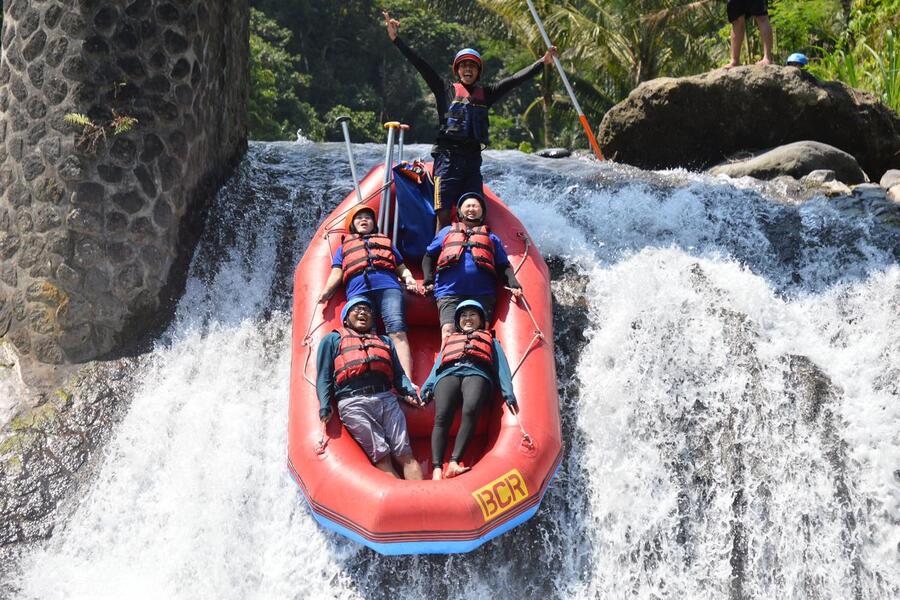
One of the features often associated with Telaga Waja rafting is a steep descent or drop. Some descriptions refer to a height of approximately five meters, although the exact dimensions and route arrangements should be confirmed with the operator.
This section can create an exciting moment during the journey. Participants should follow the guide’s instructions carefully and maintain the recommended body position.
3. Rocky Sections and River Bends
The rafting route includes natural river formations, including rocky sections and bends. These features create variations in the water movement and require teamwork between participants and their guide.
4. An Extended Rafting Journey
Compared with some shorter rafting routes, Telaga Waja is commonly offered as an extended trip. Participants have more time to experience different river conditions while enjoying the surrounding landscape.
These characteristics make Telaga Waja an appealing destination for adventure seekers. However, the actual difficulty of a rafting trip depends on the water conditions and the operator’s assessment on the day.
Read More: Telaga Waja Rafting: Discover Extreme River Adventures in East Bali
The Thrill of Descending Telaga Waja’s Rapids and Navigating Strong Currents
Rafting on the Telaga Waja River is not simply about following the flow of the water. Participants encounter different river sections that require attention, coordination, and teamwork.
1. Experiencing a Steep Descent
The steep descent is often one of the most anticipated features of the rafting journey. Passing through this section can create a strong sense of excitement as the raft moves over the drop.
The experience depends on the route and water conditions. Participants should listen to the guide’s briefing and follow the recommended positioning rather than attempting to control the raft independently.
2. Navigating Challenging Rapids
Different rapids create changing water movements throughout the journey. Participants need to paddle according to the guide’s commands and work together to maintain coordination.
3. Responding to Fast Currents
Certain sections may have stronger currents that require participants to remain attentive. The guide will provide instructions based on the river conditions and the route being followed.
These changing conditions make each section of the journey different and contribute to the overall rafting experience.
Tips for Bali Telaga Waja Rafting Beginners
Although Telaga Waja is known for its challenging sections, beginners may be able to participate if they meet the operator’s requirements and choose a suitable trip. The following tips can help first-time participants prepare.
1. Listen Carefully to the Guide
Before the trip begins, the guide will explain paddling techniques, body positioning, and safety procedures. Pay attention to the instructions and ask questions if anything is unclear.
2. Wear Proper Safety Equipment
Use the helmet and life jacket provided by the operator. Make sure both fit properly before entering the river. These items help manage risks but do not eliminate them.
3. Understand What to Do if the Raft Capsizes
A capsized raft is one of the situations participants should understand before starting. Listen carefully to the guide’s instructions about how to respond if you fall into the water.
Avoid attempting to rescue other participants or turn the raft over unless the guide specifically directs you to do so.
4. Choose Comfortable Clothing and Secure Footwear
Wear lightweight, quick-drying clothing and footwear that stays securely on your feet in wet conditions. Avoid loose sandals that can easily come off during the trip.
5. Maintain Coordination With Your Group
Paddling together helps the group respond to the guide’s commands. Avoid sudden movements or standing in the raft when the guide instructs everyone to remain seated.
6. Check Your Physical Condition
Get enough rest before the activity and inform the operator about any relevant medical conditions, injuries, or physical limitations. Ask about age and health requirements before booking.
How Safe Is Telaga Waja for Rafting?
Although Telaga Waja is known for its challenging rafting conditions, safety preparation is an essential part of the activity. Participants should understand the role of equipment, guides, and river-condition assessments before joining.
1. Essential Safety Equipment
Rafting operators generally provide basic equipment, including:
- Helmet: Helps protect the head from potential impacts.
- Life jacket: Provides buoyancy when properly fitted and worn.
- Paddle: Used to maneuver the raft under the guide’s direction.
Participants should check that their equipment fits correctly and ask the guide for adjustments if necessary.
2. Guide Experience and Safety Instructions
A rafting guide is responsible for coordinating the group, explaining paddling techniques, and providing instructions throughout the trip. Guides also assess river conditions and respond to situations that may arise during the activity.
If you want to know about a guide’s qualifications, ask the operator about their training, certifications, and first-aid arrangements before booking.
3. River Conditions and Route Assessment
River conditions can change after rainfall or other weather changes. Operators should assess whether the route is suitable before allowing a trip to proceed.
A challenging river should never be described as completely risk-free. Participants should follow all safety procedures and understand that the activity involves natural risks.
What Happens If the Raft Flips Over?
One concern some participants have before rafting is what to do if the boat capsizes. Although this situation may not occur on every trip, understanding the appropriate response is important.
If you fall into the water, follow the safety procedures explained during the briefing:
- Stay calm: Try not to panic and focus on following the guide’s instructions.
- Protect your breathing: Keep your mouth and nose clear of the water as much as possible.
- Follow the guide’s directions: Use the swimming or floating position demonstrated during the safety briefing.
- Stay aware of your surroundings: Listen for instructions and follow the guide’s direction about where to move.
- Avoid unnecessary rescue attempts: Do not try to turn over the raft or assist another participant unless instructed by the guide.
The correct response depends on the river conditions and the situation. Do not assume that holding the raft or allowing the current to carry you is always the right action. Follow the specific safety techniques taught by your guide.
Rafting Differences in Telaga Waja During the Rainy and Dry Seasons
Seasonal weather can influence the rafting experience at Telaga Waja. Rainfall may change water levels and current speeds, so the experience can differ between visits.
1. Rafting During the Dry Season
The dry season generally brings less rainfall and more opportunities for outdoor activities in sunny weather. Visitors may enjoy clearer views of the surrounding countryside, while river conditions can vary depending on recent rainfall.
The dry season does not guarantee calm currents or identical water levels throughout the period. Operators still need to assess the river before each trip.
2. Rafting During the Rainy Season
During the rainy season, increased rainfall may raise the river level and make some sections flow faster. This can change the character of the rapids and may create additional challenges.
However, stronger currents do not automatically mean a better rafting experience. Heavy rainfall can also make conditions unsuitable, requiring operators to adjust schedules, change routes, or suspend activities.
3. Which Season Should You Choose?
The best time depends on your preferences and the conditions on your chosen date. Rather than selecting a season based only on the expectation of stronger or calmer currents, contact the operator to ask about recent weather, river conditions, and trip availability.
Conclusion: Experience the Ultimate Thrill of Bali Telaga Waja Rafting
Bali Telaga Waja Rafting is an exciting option for travelers looking for a challenging rafting experience in Bali. Its extended route, varied rapids, fast-flowing sections, and steep descent create an adventure that combines adrenaline with the natural beauty of East Bali.
Both beginners who meet the operator’s requirements and experienced participants can consider this activity, provided they understand the river conditions and follow the guide’s instructions. Proper preparation, suitable equipment, and awareness of safety procedures are important throughout the journey.
If you want to experience an adventurous side of Bali, consider adding Telaga Waja rafting to your holiday itinerary. Contact the rafting provider to confirm the current route, river conditions, participant requirements, and package details before booking.
Frequently Asked Questions
1. Does a longer rafting route mean the activity is more physically demanding?
An extended route means participants spend more time on the water and may need to paddle for longer periods. The physical effort depends on the river conditions, paddling instructions, and the level of activity required during the trip.
2. Should participants remove their glasses or contact lenses before rafting?
Participants who wear glasses should ask the operator about suitable retention straps or other ways to secure them. Contact lens users may also want to discuss practical precautions. Avoid wearing accessories that can easily fall into the river.
3. Can participants bring their own waterproof camera during challenging sections?
This depends on the operator’s rules and the camera equipment. A camera should be securely attached and used only when the guide confirms that conditions are suitable. Never allow photography to distract you from paddling or safety instructions.
4. Why can the same Telaga Waja route feel different on separate visits?
Rainfall, water levels, and current speed can change over time. These factors affect how rapids and other river sections behave, so participants may experience different conditions even when following the same general route.
5. What should participants do if they feel exhausted halfway through the trip?
Inform the guide as soon as possible. Do not wait until exhaustion becomes severe. The guide can assess the situation and explain the appropriate steps based on the river conditions and the operator’s procedures.
6. Does the rainy season always make Telaga Waja rafting more extreme?
No. Rainfall can increase water levels and current speeds, but the effect varies. Heavy rain may also make rafting unsuitable, so operators must assess conditions before deciding whether a trip can proceed.
7. How can beginners decide whether they are ready for Telaga Waja’s challenging sections?
Beginners should discuss their experience, physical condition, and concerns with the operator before booking. Ask about the expected route conditions, minimum participant requirements, and the support available from the guide.
8. What should participants confirm about emergency arrangements before booking?
Ask how the operator handles capsizing, injuries, and participants who cannot continue. You can also ask about first-aid availability, guide training, communication procedures, and insurance coverage. These details help you understand the provider’s safety arrangements before joining.