
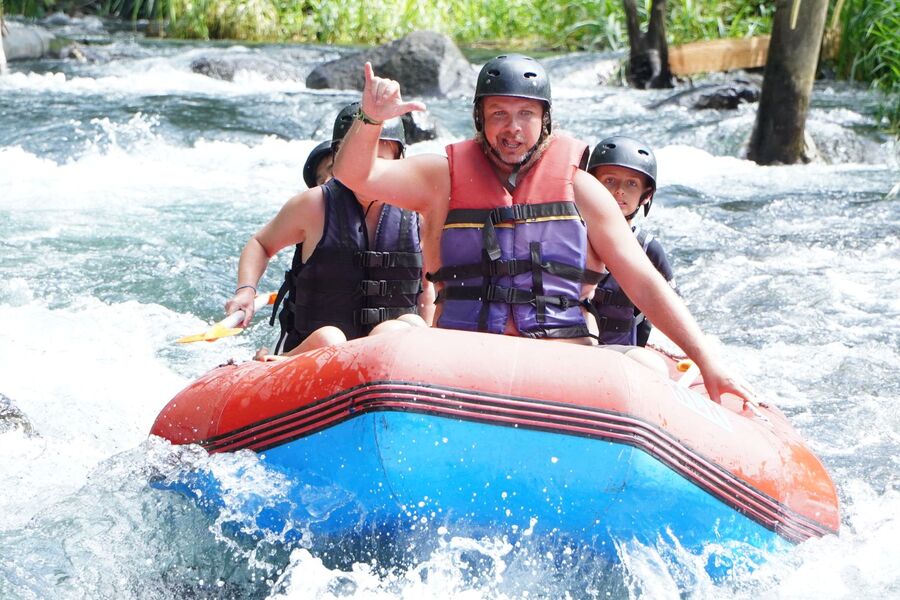
When Is the Best Time to Try Telaga Waja Rafting Adventure?
Telaga Waja Rafting Adventure is one of the popular rafting activities in Bali, offering an exciting journey along the flowing waters of Telaga Waja River. Located in Karangasem Regency, the river is known for its varied rapids, scenic surroundings, and relatively long rafting routes, making it an appealing destination for outdoor adventure enthusiasts.
Besides the excitement of navigating the rapids, a rafting trip at Telaga Waja offers opportunities to enjoy Bali’s natural landscape. Along the route, participants may encounter green hills, rice fields, tropical vegetation, and small waterfalls, depending on the route and weather conditions. The combination of river adventure and countryside scenery makes the experience enjoyable throughout the year when conditions are suitable.
The best time to go rafting depends on personal preferences, weather conditions, and the operator’s assessment of the river. Seasonal rainfall can influence water levels and current intensity, while departure times may affect comfort and travel arrangements. Understanding these factors can help visitors choose a suitable time for their Telaga Waja Rafting Adventure.
Read More: Telaga Waja Rafting Adventure: The Best Tourist Experience in Bali!
Telaga Waja Rafting Adventure: Differences in River Conditions During the Rainy and Dry Seasons
The condition of Telaga Waja River can be influenced by seasonal rainfall. During the rainy season, increased rainfall may raise the water level and strengthen the current. During the dry season, rainfall is generally lower, although the river can still have flowing sections and challenging rapids.
These differences can influence the character of a rafting trip. However, neither season guarantees a particular level of difficulty. Operators assess the actual river conditions before departure and may adjust or suspend trips when necessary.
Rainy Season
- Higher Water Levels: Rainfall may increase the river’s water volume and influence current speed.
- More Variable River Conditions: Some sections may become more challenging, so participants need to pay attention to the guide’s instructions.
- Weather Considerations: Rain may occur before or during the activity, making it important to check the forecast and operator updates.
Dry Season
- Generally Lower Rainfall: Outdoor activities may be easier to plan because prolonged rainfall is often less frequent.
- Different Current Conditions: The river may have lower water levels, but rapids and flowing sections can still be present.
- Outdoor Scenery: Visitors may have more opportunities to enjoy the surrounding landscape during periods of clearer weather.
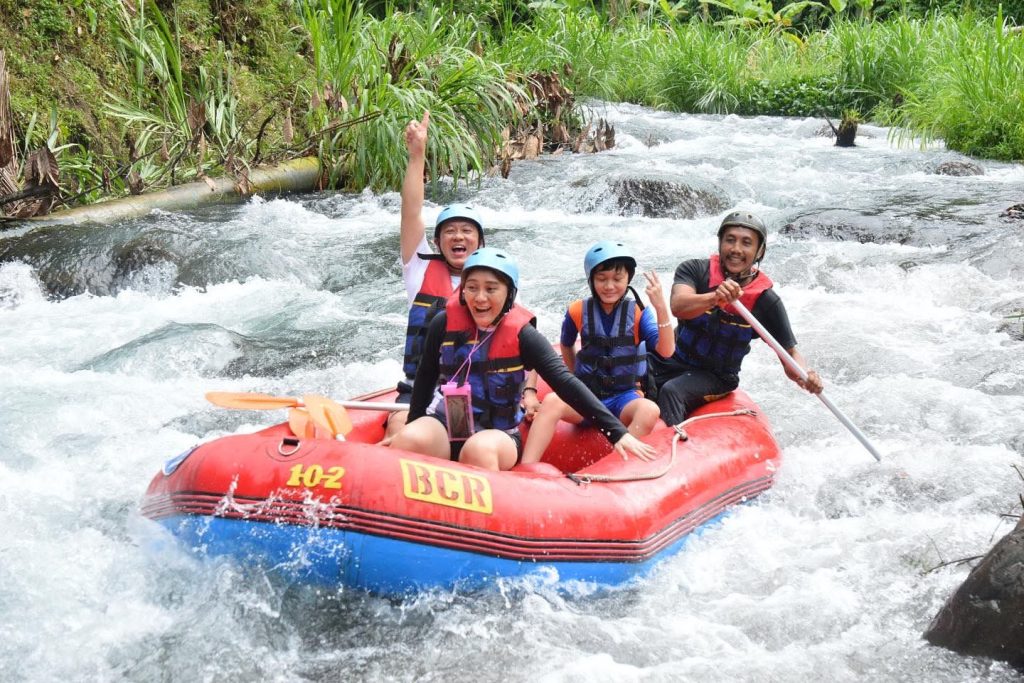
Different Experiences Offered in Each Season at Telaga Waja Rafting Adventure
Each season can create a different atmosphere for rafting participants. The rainy season may bring stronger currents and changing river conditions, while the dry season often provides more opportunities for outdoor activities in relatively settled weather.
Choosing between the two seasons depends on the kind of experience you prefer, but the operator’s safety assessment should always take priority over seasonal expectations.
Rainy Season Experience
- Changing Current Intensity: Higher water levels may create more dynamic conditions along certain sections of the river.
- A More Variable Adventure: Participants may experience different river conditions depending on recent rainfall.
- Preparation Is Important: Suitable clothing and attention to the safety briefing help participants prepare for wet weather.
Dry Season Experience
- More Predictable Outdoor Planning: Lower rainfall can make it easier to organize transportation and other holiday activities.
- Opportunities to Enjoy the Scenery: Clearer weather may provide better visibility of the surrounding hills and countryside.
- Still an Active River Adventure: Dry-season rafting can include rapids and flowing currents, so participants should not assume that the river will always be calm.
Ideal Weather for a Comfortable Telaga Waja Rafting Adventure
Bali’s dry season generally falls between April and October, although the exact timing of seasonal transitions can vary. This period is often preferred by visitors who want to plan outdoor activities around a lower likelihood of rainfall.
However, comfortable weather does not automatically mean that river conditions are suitable. Rainfall in the surrounding highlands can influence water levels, and weather conditions may change during the day. For this reason, participants should check both the local forecast and the rafting operator’s latest information.
Weather Factors That Can Affect the Rafting Experience
- Air Temperature: Warm tropical weather can make outdoor activities enjoyable, but participants should stay hydrated and protect themselves from sun exposure.
- Rainfall: Rain may affect river levels, current intensity, and the operator’s decision to proceed with a trip.
- Access Conditions: Wet paths around departure or finishing points may require extra care when getting in and out of the raft.
- Water Clarity: Rainfall can increase sediment in the river, so water clarity may vary between trips.
- Visibility: Cloud cover and rain can affect views of the surrounding hills and countryside.
Tips for Dealing with Weather Changes While Rafting
Weather in the Telaga Waja area can change, particularly during seasonal transitions and periods of increased rainfall. Preparing for different conditions can help participants stay comfortable before and after the activity.
Tips for Handling Weather Changes
- Wear Quick-Drying Clothes: Lightweight materials such as polyester or suitable sportswear are practical because they dry faster than heavy fabrics.
- Bring a Change of Clothes: Prepare dry clothing and a small towel for after the rafting trip.
- Use Sunscreen: Apply water-resistant sunscreen to help protect exposed skin from sunlight.
- Protect Your Belongings: Keep phones, cameras, and other valuables in suitable waterproof protection or leave them in a secure place.
- Check the Weather Forecast: Review the local forecast before leaving for the rafting location, while remembering that conditions can change.
- Follow the Guide’s Instructions: Guides and operators assess river conditions and can provide directions when weather or water levels change.
A raincoat may be useful before or after the activity, but it is generally not necessary to wear one while rafting unless the operator specifically recommends it. Always prioritize suitable rafting clothing and the equipment provided.
Recommended Departure Times for the Best Experience
Choosing a suitable departure time can make it easier to organize your day and enjoy the rafting activity. Many visitors prefer morning departures because they allow time for the journey and other activities later in the day.
Actual departure schedules depend on the operator, package availability, transportation arrangements, and river conditions. Confirm the available time slots before booking.
Morning Departures (08:00–10:00 AM)
- Comfortable Start: Morning temperatures are often more comfortable for outdoor activities.
- Time for Other Activities: An earlier trip may leave more time for sightseeing or other plans afterward.
- Daily Schedule: Morning departures can be convenient for visitors traveling from other parts of Bali.
Late-Morning to Early-Afternoon Departures (11:00 AM–2:00 PM)
- Flexible Holiday Planning: Later departures may suit visitors who prefer a slower morning schedule.
- Different Lighting Conditions: The sunlight and scenery may look different compared with an earlier trip.
- Schedule Confirmation: Check the operator’s available departure times and allow enough time for transportation and preparation.
There is no universally best departure time for every participant. Choose a schedule that fits your travel plans and the operator’s recommended conditions.
Physical and Mental Preparation Before Telaga Waja Rafting Adventure
Telaga Waja Rafting Adventure involves paddling, maintaining balance, and responding to the guide’s commands. Although previous rafting experience is not always required, participants should be prepared for physical activity and changing river conditions.
Good preparation can help make the trip more comfortable and allow participants to focus on the experience.
How to Prepare Physically and Mentally Before Rafting
- Warm Up Before the Activity: Gentle movements for the arms, shoulders, back, and legs can help prepare the body for paddling.
- Get Enough Rest: A good night’s sleep can help reduce fatigue during the activity.
- Stay Hydrated: Drink enough water before the trip, especially in warm weather.
- Listen to the Safety Briefing: Understand the basic paddling commands and what to do if you fall into the water.
- Stay Calm in Challenging Sections: Pay attention to the guide and follow instructions rather than making sudden movements.
- Check Your Physical Condition: Inform the operator about relevant health concerns and follow its participation requirements.
Conclusion: Choose the Right Time for Your Telaga Waja Rafting Adventure
The best time to try Telaga Waja Rafting Adventure depends on your preferred weather, travel schedule, and the river conditions on the day of your visit. The rainy season may bring higher water levels and more variable currents, while the dry season often offers more convenient conditions for planning outdoor activities.
Morning departures can be a practical choice for visitors who want to enjoy cooler temperatures and have more time for other activities afterward. Regardless of the season or departure time, checking the weather forecast, confirming the operator’s schedule, and following the safety briefing are essential steps before rafting.
With suitable preparation and attention to current conditions, you can enjoy the flowing rapids and natural scenery of Telaga Waja River as part of your Bali holiday.
Frequently Asked Questions
1. Should visitors check the weather in Karangasem or only the forecast in their hotel area?
Check the forecast for the Telaga Waja and Karangasem area rather than relying only on the weather where you are staying. Conditions can differ between parts of Bali, and rainfall near the river may affect rafting even when your hotel area is sunny.
2. How far in advance should visitors confirm a rafting departure?
It is a good idea to contact the operator before the planned activity, especially during busy holiday periods. Confirm the departure time, pickup arrangements, meeting point, and whether the trip is operating under the latest river conditions.
3. Can a rafting trip be postponed after participants have arrived at the location?
It is possible if the operator determines that weather or river conditions are unsuitable. Ask about postponement, rescheduling, and cancellation policies when booking so you understand the available arrangements.
4. Is it better to schedule rafting at the beginning or end of a Bali holiday?
Scheduling it earlier in your holiday can provide more flexibility if weather conditions require a change of date. However, the best arrangement depends on your itinerary, transportation, and the operator’s availability.
5. What should visitors consider when choosing a rafting date during the seasonal transition?
Seasonal transitions can bring less predictable rainfall. Check the forecast close to the activity date and contact the operator for an update rather than relying only on general rainy-season or dry-season dates.
6. Can cloudy weather affect the overall rafting experience?
Cloudy conditions may reduce visibility of the surrounding landscape and make the atmosphere feel cooler. However, cloud cover alone does not necessarily mean that rafting must be cancelled. The operator assesses the actual weather, rainfall, and river conditions.
7. Should participants eat before a morning rafting departure?
Participants should follow the operator’s advice about meals before the activity. Having an appropriate meal beforehand may help provide energy, but avoid eating too heavily immediately before physical activity.
8. What is the most important factor when choosing the best rafting time?
The most important factor is whether the operator considers the river and weather conditions suitable for the activity. Personal preferences about sunlight, temperature, and departure schedules matter too, but safety conditions should always come first.