

The Exciting Sensation of Telaga Waja Rafting for an Unforgettable Challenge
Telaga Waja Rafting offers an exciting rafting experience that combines flowing rapids, challenging river sections, and beautiful natural scenery. Located in Karangasem, East Bali, the river attracts adventure enthusiasts who want to experience more than a typical sightseeing activity. Its relatively long routes, changing water conditions, and natural obstacles create an engaging journey from start to finish.
During the trip, participants may encounter fast-moving currents, winding sections, rocky areas, and steep river descents on certain routes. These features provide an adrenaline-filled experience while requiring teamwork and coordination among everyone in the raft.
Beyond the challenges, Telaga Waja also offers beautiful views of green hills, terraced rice fields, tropical vegetation, and natural waterfalls in some sections. This combination of adventure and scenery makes it an appealing rafting destination in Bali for visitors who want to explore the island’s natural side.
Safety is an important part of every rafting session at Telaga Waja. Participants receive safety equipment and instructions from their guides before entering the river. The actual suitability of a trip depends on the route, river conditions, and each participant’s physical condition, so it is important to follow the operator’s requirements.
Read More: Bali Telaga Waja Rafting: The Best and Perfect Combination!
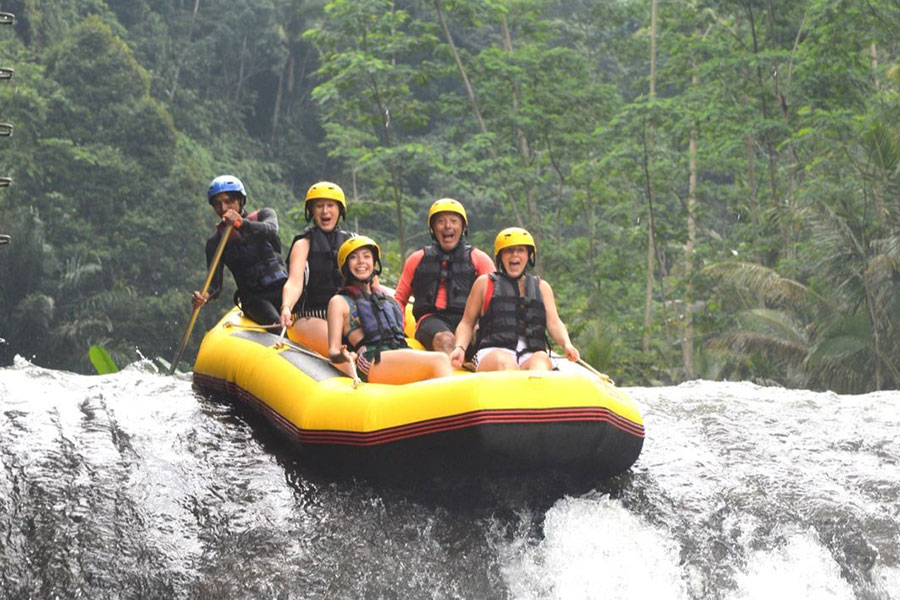
Overview of Telaga Waja River: A Challenging Rafting Spot in Bali
Telaga Waja River is located in Karangasem Regency and is widely known as one of Bali’s popular rafting locations. Some operators offer routes of approximately 14–16 kilometers, although the advertised distance can vary depending on the starting point, finishing point, and package arrangement. The journey commonly takes around 2.5 to 3 hours on the water.
One of the river’s main attractions is its combination of flowing currents and varied terrain. Participants may experience calmer stretches, faster rapids, and sections that require closer coordination with the guide. These changing conditions make the journey engaging for visitors looking for an active outdoor adventure.
Telaga Waja also offers an attractive natural environment. Along the route, participants may see tropical vegetation, high riverbanks, green rice fields, and small waterfalls in certain areas. Water clarity and current strength can change depending on rainfall and other natural conditions, so they should not be expected to remain the same throughout the year.
Attractions of Telaga Waja Rafting
- Relatively Long Rafting Routes: Some packages offer routes of approximately 14–16 kilometers, providing an extended river adventure.
- Fast-Flowing River Sections: Different water conditions create exciting moments that require paddling coordination and attention to the guide.
- Beautiful Natural Panorama: Green hills, rice fields, tropical vegetation, and river landscapes create a scenic setting.
- Natural River Features: Depending on the route, participants may encounter rocky sections, small waterfalls, and steep descents.
- A Combination of Adventure and Nature: The journey offers both the excitement of navigating rapids and opportunities to appreciate Bali’s countryside.
Differences Between Telaga Waja Rafting and Ayung River Rafting
Telaga Waja River and Ayung River are two popular rafting destinations in Bali, but each offers a different experience. Understanding their characteristics can help visitors choose a route that matches their interests, physical condition, and expectations.
Telaga Waja is often chosen by visitors looking for a longer rafting journey with flowing rapids and challenging river sections. Meanwhile, Ayung River near Ubud is well known for its scenic surroundings, including distinctive rock carvings along parts of the river. Its rafting routes are often considered suitable for beginners, depending on the operator and current conditions.
Comparing Rafting in Telaga Waja and Ayung River
- Route Length: Telaga Waja packages commonly offer routes of approximately 14–16 kilometers, while Ayung River routes are often shorter. Exact distances vary between operators.
- River Characteristics: Telaga Waja is known for its flowing currents and challenging sections, while Ayung River generally offers a different combination of rapids and calmer stretches.
- Natural Scenery: Telaga Waja features countryside landscapes, rice fields, and tropical vegetation. Ayung River is known for its forested surroundings and distinctive riverside stone carvings in certain sections.
- Experience Preferences: Telaga Waja may appeal to visitors seeking a longer and more adventurous route, while Ayung River can be an option for those interested in rafting near Ubud and enjoying its natural and cultural scenery.
Neither river is automatically the right choice for every participant. Consider the route details, difficulty information, and operator requirements before making a decision.
The Uniqueness of the Rafting Trail at Telaga Waja
The rafting course at Telaga Waja offers a combination of river features that makes the journey exciting for adventure lovers. Participants may encounter different types of rapids, winding sections, and natural obstacles along the route.
One of the most memorable features associated with certain Telaga Waja rafting packages is a steep river descent, often described as approximately 4 meters high. Passing this section can provide an exciting moment during the trip. However, the exact height and whether the descent is included depend on the operator and selected route.
Distinctive Features of Rafting at Telaga Waja
- A Memorable River Drop: Certain routes feature a steep descent that adds an exciting challenge to the rafting experience.
- Varied Rapids: Participants may encounter different levels of water movement, from manageable sections to faster rapids.
- Changing Natural Landscapes: The surroundings can include tropical forests, green hills, rice fields, and rocky riverbanks.
- Different River Conditions: Water levels and current strength can vary with rainfall and other environmental factors.
These features make Telaga Waja an appealing destination for visitors who want to experience the excitement of rafting in Bali while enjoying the natural environment.
Physical and Mental Preparation Before Telaga Waja Rafting
Before embarking on a rafting adventure in Telaga Waja, participants should prepare themselves physically and mentally. Rafting involves paddling, maintaining balance, coordinating with other participants, and responding to the guide’s instructions. Being prepared can help make the experience more comfortable and enjoyable.
Mental readiness is also important, especially for people who are trying rafting for the first time. Understanding what to expect and listening carefully during the briefing can help participants feel more confident when approaching challenging sections.
Physical and Mental Preparations to Consider
- Warm Up Before the Activity: Gentle stretching and light movements can help prepare your muscles for paddling and other physical movements.
- Get Enough Rest: A good night’s sleep can help you feel more alert and ready for the activity.
- Understand the Guide’s Instructions: Pay attention to the safety briefing and learn the basic paddling commands before entering the river.
- Stay Calm When Facing Rapids: Nervousness is normal, especially for first-time participants. Focus on the guide’s directions and cooperate with the other people in your raft.
- Know Your Physical Limits: Inform the operator about relevant health concerns and ask whether the selected route is suitable for your condition.
Preparation does not remove the risks associated with river activities, but it helps participants understand their responsibilities and respond more appropriately throughout the journey.
Interesting Sights and Attractions Along the Telaga Waja Rafting Route
During a rafting trip at Telaga Waja, participants can enjoy more than the excitement of navigating rapids. The surrounding natural environment provides a scenic backdrop throughout the journey. Depending on the route and river conditions, visitors may encounter several interesting landscape features.
Natural Attractions Along the Route
- Refreshing Natural Waterfalls: Some sections may feature small waterfalls or flowing water along the riverbanks, adding to the natural atmosphere.
- Beautiful Rice Field Landscapes: Green rice fields and surrounding farmland reflect the countryside character of East Bali.
- Rocky River Cliffs: Natural rock formations and high riverbanks create dramatic views along certain sections.
- Tropical Vegetation: Trees and lush plants provide a green setting throughout parts of the river journey.
- Traditional Bridges: Depending on the route, participants may see bridges used by local communities to cross the river. The type and availability of these structures vary by location.
Although the scenery can be enjoyable, participants should remain attentive to the guide’s commands, especially when approaching rapids. The best time to appreciate the surroundings is during calmer sections when the guide allows the group to relax.
Conclusion: Experience an Unforgettable Challenge at Telaga Waja River
Telaga Waja Rafting combines the excitement of navigating flowing rapids with the natural beauty of East Bali. Its relatively long routes, varied river conditions, and memorable descents make it an attractive option for visitors seeking an adventurous outdoor activity.
Compared with Ayung River, Telaga Waja offers a different rafting experience that may appeal to those who prefer longer routes and more challenging sections. Participants can also enjoy views of rice fields, tropical vegetation, rocky riverbanks, and natural features along the journey.
To make the most of your adventure, prepare physically and mentally, choose a suitable rafting package, and follow the guide’s instructions throughout the trip. With the right preparation, Telaga Waja Rafting can become one of the memorable highlights of your Bali vacation.
Frequently Asked Questions
1. What makes Telaga Waja feel more challenging than some other rafting locations in Bali?
Telaga Waja is known for its relatively long rafting routes, flowing currents, and sections featuring varied rapids. These characteristics can create a more demanding experience, although the actual difficulty depends on the selected route and river conditions.
2. Should I choose Telaga Waja or Ayung River if I want to enjoy the scenery as much as the rafting?
Both rivers offer attractive natural surroundings. Telaga Waja features countryside landscapes and rice fields, while Ayung River is known for its forested surroundings and distinctive stone carvings. Your choice can depend on which scenery and overall route experience interest you more.
3. Does a longer rafting route mean participants have to paddle continuously for three hours?
No. A longer trip does not necessarily mean continuous paddling. The journey includes different river sections, and the guide may give instructions to paddle, pause, or adjust the raft depending on the water conditions.
4. How can I tell whether I am physically ready for a challenging rafting route?
Consider your general fitness, ability to follow instructions, and comfort with physical activities in water. If you have a health concern or physical limitation, discuss it with the operator before booking so they can advise whether the selected route is appropriate.
5. What should first-time participants focus on when approaching a fast rapid?
Focus on the guide’s commands, maintain your position in the raft as instructed, and coordinate your paddling with the group. Avoid making sudden movements or attempting your own maneuvers without direction from the guide.
6. Can I stop paddling to take photographs when the river becomes calmer?
Only when the guide confirms that it is appropriate. Even calmer sections can have moving water and unexpected obstacles, so participants should keep their attention on the guide’s instructions and use cameras only when it is safe.
7. Are the natural waterfalls and traditional bridges guaranteed to be visible on every Telaga Waja rafting trip?
No. The scenery and river features depend on the selected route, starting point, and water conditions. Ask the operator which natural attractions are usually encountered along the specific package you plan to book.
8. Why should participants compare route details instead of relying only on the advertised difficulty level?
Difficulty labels alone may not explain the full rafting experience. Route length, the number and type of rapids, steep descents, water conditions, and the operator’s arrangements all influence what participants encounter. Reviewing these details gives a clearer picture of the trip before booking.