
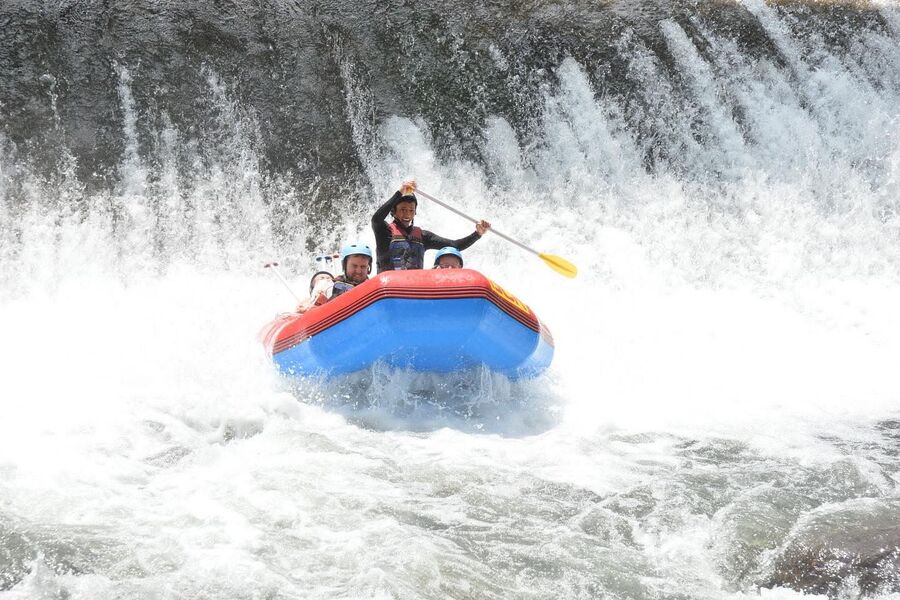
Safety and Security When Rafting at Telaga Waja
Rafting at Telaga Waja is a popular adventure activity in Bali, known for its long river route, challenging rapids, and impressive natural scenery. Located in Karangasem Regency, the Telaga Waja River flows from the mountainous region around Mount Agung, offering an outdoor experience that combines adventure with views of tropical vegetation, rice terraces, and rocky riverbanks.
One of the main attractions of Rafting at Telaga Waja is its relatively long route, which typically covers approximately 14–16 km and takes around 2–3 hours on the water, depending on the operator and river conditions. The route features varying currents and rapids, making it appealing to travelers looking for an active outdoor experience. However, the difficulty level and minimum participant requirements should always be confirmed with the rafting operator before booking.
Along the route, participants can enjoy views of green forests, terraced rice fields, high cliffs, and small waterfalls at certain points. Although the natural surroundings make the experience memorable, the river also presents potential hazards. Understanding the safety procedures, using appropriate equipment, and following the guide’s instructions are essential parts of a responsible rafting trip.
Read More: Bali Rafting in Telaga Waja: Enjoying a Vacation with Various Activities
Things to Note When Rafting at Telaga Waja
1. Safety Standards Applied by Rafting Operators
Safety procedures are an important part of a rafting trip. Before booking, participants should choose an operator that provides appropriate equipment, a thorough safety briefing, and qualified guides who understand the river conditions.
Important safety measures include:
- Equipment Inspection: Helmets, personal flotation devices, paddles, and rafts should be checked before the activity begins. Participants should report any equipment that appears damaged or does not fit properly.
- Safety Briefing: Guides should explain paddling techniques, commands, appropriate body positions, and procedures to follow if someone falls out of the raft or the raft capsizes.
- Age and Health Requirements: Minimum age limits and participant restrictions vary by operator and river conditions. People with medical conditions that could affect their ability to participate should consult a healthcare professional and disclose relevant concerns to the operator before booking.
- Qualified Guides: Each group should be accompanied by a guide who is familiar with the route, understands river hazards, and is trained to respond to emergencies.
- Weather and River Conditions: Operators should assess conditions before departure and postpone or cancel a trip when conditions are considered unsafe.
Following these measures can help reduce risks, although no outdoor adventure activity can be guaranteed to be completely risk-free.
2. The Guide’s Role in Maintaining Safety
Rafting guides play a central role in helping participants navigate the river and respond appropriately to changing conditions. Their responsibilities include:
- Explaining safety procedures and paddling commands before departure.
- Directing the group through rapids and around potential obstacles.
- Monitoring the raft and participants throughout the trip.
- Providing instructions when the current becomes stronger or the raft encounters difficulties.
- Coordinating a response if someone falls into the water or another emergency occurs.
- Helping participants who are unfamiliar with paddling or need additional guidance.
Participants also have an important responsibility: listen carefully, follow instructions promptly, and communicate with the guide if they feel unwell, become exhausted, or are uncomfortable with the conditions.
3. Essential Safety Equipment for Rafting
Every participant should receive suitable safety equipment from the operator and learn how to use it correctly.
- Helmet: Helps protect the head from impacts with rocks, equipment, or other hard surfaces.
- Personal Flotation Device (Life Jacket): Provides buoyancy in the water when correctly fitted and worn as instructed.
- Paddle: Helps the group control the raft’s direction and movement under the guide’s instructions.
- Appropriate Clothing: Quick-drying clothing is generally more comfortable for rafting. Avoid loose accessories that could become caught on equipment.
- Suitable Water Footwear: Secure footwear helps protect the feet from rough surfaces and provides better grip when entering or leaving the river.
Before departure, check that the helmet is secure and the life jacket fits snugly. Do not loosen or remove safety equipment while on the river unless the guide instructs you to do so.
Safety and Security When Rafting at Telaga Waja
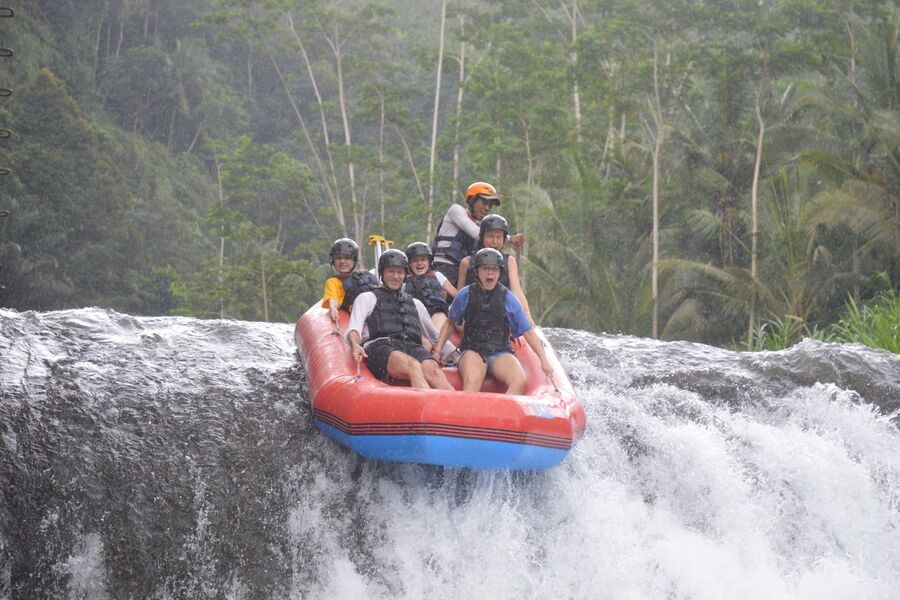
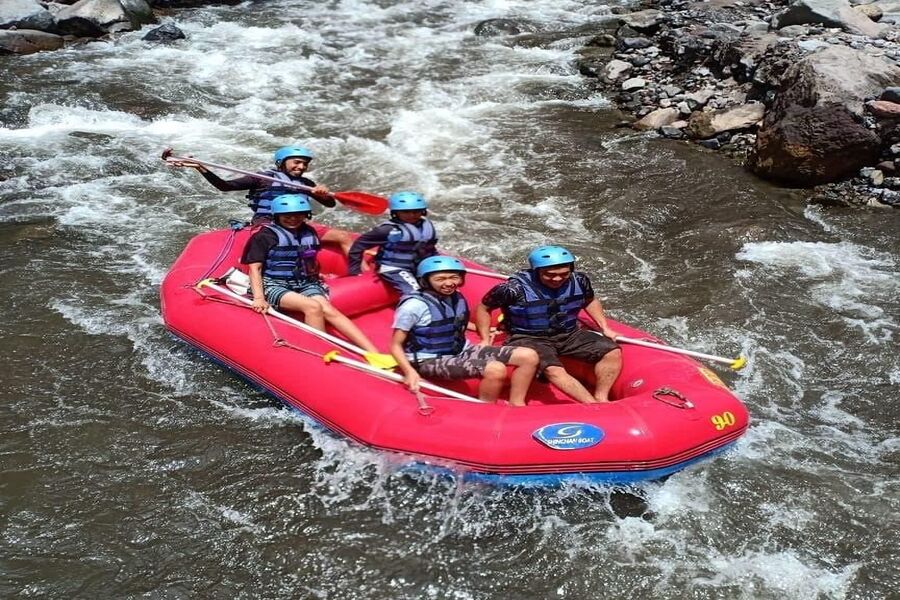
How to Deal With Emergency Situations
Unexpected situations can occur during rafting, even when participants follow safety procedures. Knowing how to respond can help reduce confusion and make it easier for guides to assist.
Consider the following general principles:
- Stay as Calm as Possible: Try to remain focused and listen for the guide’s commands. Panic can make it harder to respond appropriately.
- Follow the Guide’s Instructions: Use the techniques explained during the safety briefing. The correct response depends on the situation and the river conditions.
- If You Fall Into the Water, Protect Your Head and Face: Keep your body in a position that helps you stay afloat. In moving water, a feet-first position with your feet near the surface can help you identify and manage obstacles while protecting your head.
- Avoid Standing in Fast-Moving Water: Water pressure can push your feet into gaps between rocks, creating a risk of entrapment. Do not attempt to stand in swift current unless specifically directed by a trained rescuer.
- Signal for Help: Follow the operator’s instructions for signaling and allow the guide or rescue team to assist you.
These are general guidelines rather than a substitute for practical instruction. Participants should learn the operator’s recommended emergency procedures before entering the river.
What to Do If the Raft Capsizes
A raft can capsize when it encounters difficult water or an obstacle. Although guides work to manage these risks, participants should understand the basic response procedures.
If the raft capsizes:
- Stay Focused: Try to remain calm and follow the instructions given during the safety briefing.
- Keep Your Life Jacket On: Your personal flotation device helps keep you afloat when properly fitted and worn.
- Avoid Grabbing Dangerous Objects: Do not reach blindly into gaps between rocks or hold onto anything that could trap your hands or feet.
- Follow the Guide’s Instructions: The appropriate action may depend on whether you are near the raft, in a rapid, or approaching a safer area.
- Do Not Swim Against a Strong Current Without Guidance: Use the techniques taught by your guide and focus on staying afloat until you can reach a safer position or receive assistance.
Do not assume that holding onto a capsized raft is always the safest option. The guide will provide instructions based on the current conditions and the safest available response.
Risks to Know and How to Reduce Them
Rafting at Telaga Waja can be an enjoyable outdoor activity, but participants should understand the potential hazards before taking part.
1. Collisions With Rocks or Other Obstacles
The river contains natural obstacles that may cause impacts, bruises, or other injuries. Wearing a properly fitted helmet, keeping the life jacket on, and following the guide’s commands can help reduce the risk.
2. Strong Currents and Rapids
River currents can vary according to rainfall, water levels, and other environmental conditions. Participants should follow the guide’s instructions and use the flotation and swimming techniques taught during the briefing if they enter the water.
3. Fatigue and Muscle Cramps
Paddling for an extended period can be physically demanding. Get adequate rest before the activity, drink water before departure, and tell the guide if you feel unusually tired or develop cramps.
4. Scratches and Minor Cuts
Contact with rocks, vegetation, or equipment may cause minor injuries. Secure footwear and appropriate clothing can help protect exposed areas, but participants should still move carefully when entering or leaving the river.
5. Changing Weather and River Conditions
Rainfall can affect water levels and current strength. Operators may adjust the route, delay departure, or cancel a trip when conditions become unsuitable. Follow the operator’s decisions and avoid entering the river without authorization.
Understanding these risks helps participants prepare more responsibly and recognize why safety instructions must be taken seriously throughout the trip.
Tips for Children and Beginners Rafting at Telaga Waja
Children and first-time rafters may need additional preparation before joining a river adventure. Not every route or set of conditions is suitable for every participant, so check the operator’s requirements before making a reservation.
- Choose a Responsible Operator: Look for an operator that explains its safety procedures, equipment standards, participant requirements, and emergency arrangements.
- Take the Safety Briefing Seriously: Listen carefully and ask questions if any instruction is unclear.
- Check Equipment Fit: Helmets and life jackets should fit each participant correctly, including children who meet the operator’s eligibility requirements.
- Be Honest About Health and Swimming Ability: Inform the operator about relevant medical conditions, physical limitations, and swimming experience so they can assess suitability.
- Follow Age and Weight Restrictions: Requirements differ between operators. Never assume that a child can participate simply because they are accompanied by an adult.
- Avoid Pressuring Reluctant Participants: Anyone who feels uncomfortable should speak with the guide before departure rather than feeling obliged to continue.
- Prepare for the Physical Demands: Participants should be comfortable following instructions and taking part in an activity that may involve paddling, splashing, and changing river conditions.
Beginners should remember that a guide’s presence does not remove every risk. Choosing an appropriate activity and following the safety briefing are essential for a more responsible experience.
Conclusion
Rafting at Telaga Waja combines an adventurous river journey with beautiful natural scenery in Karangasem, Bali. However, the river’s rapids, changing currents, and natural obstacles mean that safety must remain a priority throughout the experience.
Participants can help reduce risks by choosing a responsible operator, wearing properly fitted safety equipment, understanding the emergency procedures, and following the guide’s instructions. Children and beginners should also check age requirements, health considerations, and route suitability before booking.
With careful preparation and a clear understanding of river safety, visitors can approach rafting at Telaga Waja more confidently while respecting the natural environment and the limits of their own abilities.
Frequently Asked Questions
1. Should I tell the rafting operator if I cannot swim?
Yes. Inform the operator before booking or arriving for the activity. Swimming ability requirements vary, and the operator needs to assess whether you can participate under the planned conditions. A life jacket provides buoyancy but does not eliminate the risks associated with moving water.
2. What should I check before getting into the raft?
Check that your helmet and life jacket fit securely and that you understand the guide’s instructions. Tell the guide immediately if equipment feels loose, damaged, or uncomfortable. You should also know the basic paddling commands and what to do if you fall into the water.
3. Can I go rafting at Telaga Waja if I have a medical condition?
It depends on the condition and how it affects your ability to participate in strenuous physical activity. Consult a healthcare professional when appropriate, and disclose relevant medical information to the operator. The operator may restrict participation if the activity could pose an unacceptable risk.
4. Why might a rafting trip be postponed even after I have booked it?
Heavy rainfall, rising water levels, strong currents, or other unsafe conditions may lead an operator to delay or cancel a trip. These decisions are made to reduce risks to participants and guides. Check the operator’s weather-related cancellation and rescheduling policy before booking.
5. What should I do if my helmet or life jacket becomes loose during the trip?
Tell your guide as soon as you can do so safely and follow their instructions. Do not remove or adjust safety equipment in fast-moving water without guidance. Proper fitting before departure is important because loose equipment may not provide the intended protection.
6. Is it safe to bring a phone or camera while rafting?
Electronic devices can be damaged or lost in the water, and handling them may distract you from paddling or following instructions. Ask the operator whether photography is permitted and what arrangements are available. If you bring a device, use suitable waterproof protection and secure it without interfering with your safety equipment.
7. What information should I ask an operator before booking a rafting trip?
Ask about minimum age and weight requirements, physical demands, safety equipment, guide qualifications, emergency procedures, current river conditions, and the operator’s cancellation policy. You should also confirm what the package includes and whether any additional requirements apply to your group.
8. What should I do if I feel unwell or exhausted during rafting?
Inform your guide as soon as possible rather than trying to continue without assistance. Follow their instructions and let them assess the safest way to respond. If you feel unwell before the activity begins, tell the operator before entering the river.