
Rafting in Bali: How to Choose the Best River Experience
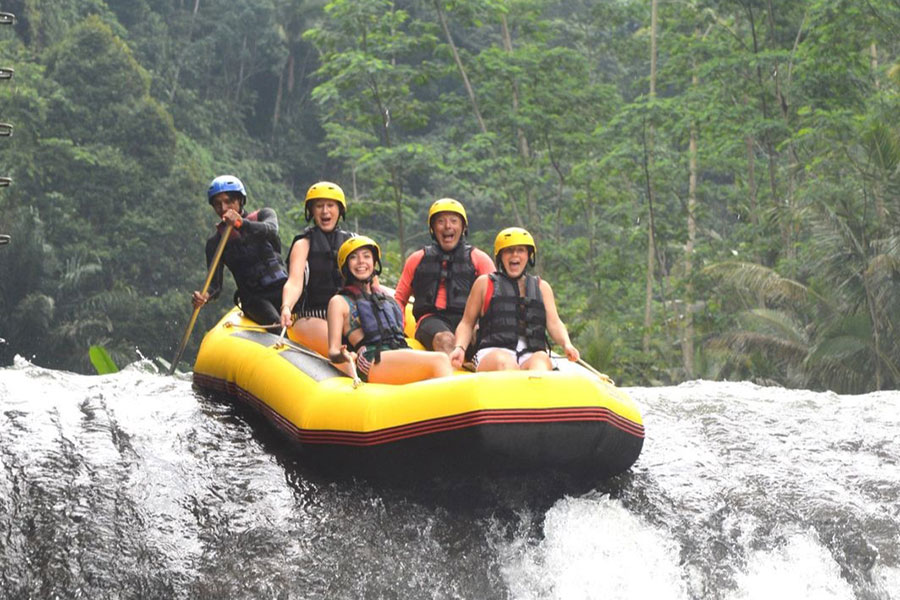
Rafting in Bali is a popular outdoor activity for travelers who want to experience the island from a different perspective. Instead of viewing Bali only through roads, beaches, or cultural attractions, rafting takes participants directly into a natural river environment with changing currents, tropical vegetation, and sections that require teamwork.
For travelers planning their first trip, choosing a rafting experience is not simply about finding the most exciting river. Factors such as route length, water conditions, safety procedures, physical readiness, facilities, transportation, and the type of group should also be considered. Understanding these points before booking can make the experience more comfortable and better suited to your plans.
Why Rafting in Bali Is Worth Considering
One of the main attractions of rafting is the combination of adventure and natural scenery. A river journey can include faster currents, rapids, turns, calmer stretches, and surrounding landscapes that are difficult to experience from the road.
Telaga Waja in Karangasem, for example, has a relatively long rafting route of around 12–16 kilometers. The activity generally takes about 2.5–3 hours, although the actual duration can depend on river conditions and the speed of the group.
Another advantage is that rafting is a group activity. Participants paddle together under the direction of a professional guide, making communication and coordination an important part of the journey.
Choosing the Right Rafting Experience
Not every traveler has the same expectations. Some people want an active outdoor challenge, while others are more interested in combining adventure with scenery and a relaxed holiday schedule.
Before choosing a rafting package, consider:
- The approximate length of the river route
- Expected activity duration
- River and weather conditions
- Difficulty level
- Safety equipment and professional guides
- Available facilities
- Transportation options
- Meal or lunch arrangements
- Participant requirements
- Whether the activity is appropriate for your group
Looking at these details provides a better picture of the experience than comparing prices alone.
Bali Rafting Duration: How Long Does It Take?
Bali rafting duration depends on the river, route, water conditions, and group speed. For the Telaga Waja route, operator information indicates that the rafting activity generally takes approximately 2.5–3 hours.
This does not necessarily represent the entire time spent on the activity. Registration, equipment preparation, safety briefing, transportation to the starting point, and changing after the trip can require additional time.
When planning your day, leave enough room before and after the rafting session rather than scheduling another activity immediately afterward. This is particularly useful when transportation between different areas of Bali is involved.
Understanding Bali Rafting Difficulty
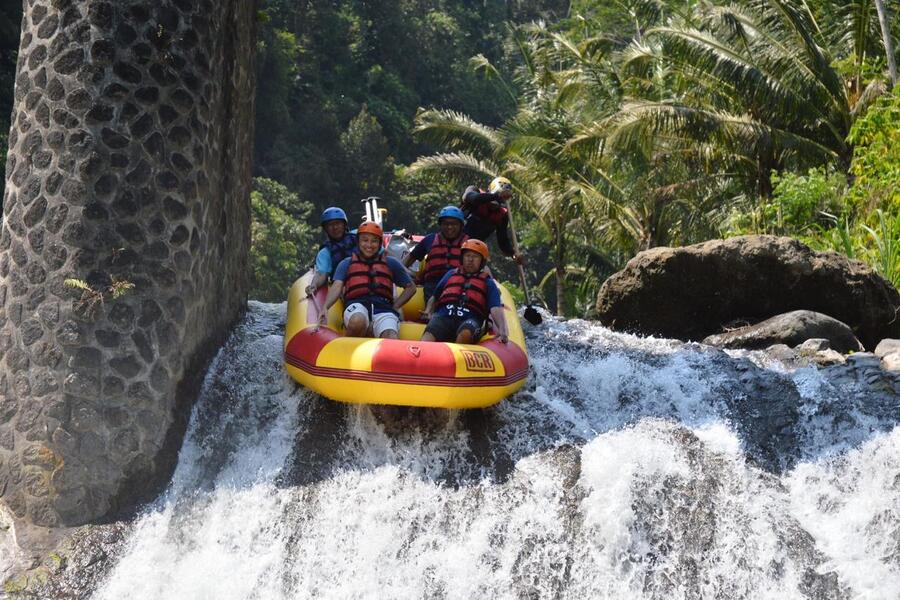
Bali rafting difficulty can vary according to the river and current conditions. A route may contain calm sections followed by faster currents, rapids, turns, or drops that require greater concentration.
The level of difficulty can also change depending on rainfall and water levels. Therefore, a river should not be judged only by its reputation or by another person’s previous experience.
For beginners, the ability to follow instructions and cooperate with the group is especially important. More experienced participants should also follow the guide because every river has its own characteristics.
What Makes a River More Challenging?
Several factors can influence the experience:
- Water level – Changes in rainfall can affect current strength.
- River structure – Turns, drops, and rapids require different responses.
- Group coordination – Everyone needs to follow the same paddling commands.
- Weather conditions – Conditions can affect the river environment.
- Participant readiness – Physical condition and ability to follow instructions matter.
Because these factors can change, the guide’s assessment on the day of the activity remains important.
Bali Rafting for Families
Rafting can be considered by families who enjoy outdoor activities, but suitability should not be assumed for every family member. Parents or guardians should check the operator’s participant requirements and consider the physical ability of everyone joining the trip.
Bali rafting for families can be more comfortable when the group understands that rafting is a team activity rather than an individual competition. Children or first-time participants should be encouraged to listen carefully to the guide and follow the safety briefing.
Families should also consider the length of the route. A journey lasting several hours may require more stamina than a shorter recreational activity.
Bali Rafting Safety: What Should You Know?
Bali rafting safety depends on professional guidance, appropriate equipment, river conditions, and participant cooperation. Before entering the river, participants should receive a safety briefing and understand the basic commands used by the guide.
Essential practices include wearing the provided helmet and life jacket correctly, listening to the guide, remaining properly positioned in the raft, and keeping personal belongings secured.
Safety equipment can reduce risks, but it cannot eliminate every risk associated with a natural river environment. Weather, water levels, currents, and individual physical condition should always be considered.
Safety Checklist Before the Trip
Before departure, confirm that:
- Safety equipment is provided and properly fitted.
- A professional guide accompanies the group.
- A safety briefing is provided.
- Personal belongings can be stored securely.
- The operator has explained relevant participant requirements.
- Current weather and river conditions are considered.
If you feel unwell or have a condition that may affect participation, inform the operator before starting the activity.
Bali Rafting What to Bring
Knowing Bali rafting what to bring can help you prepare without carrying unnecessary items into the river. Choose comfortable clothing that can get wet and dry relatively quickly.
Suitable footwear is also important because participants may encounter wet surfaces around the rafting area. Bring a change of clothes for after the activity.
Avoid taking valuables into the raft. If lockers are available, use the storage facilities provided by the operator.
Is There a Bali Rafting Age Limit?
The Bali rafting age limit can vary between operators, routes, and current conditions. There is no single age requirement that should automatically be applied to every rafting experience.
Families should confirm the specific operator’s rules before booking, especially when children or younger participants are involved. Age is only one consideration; physical ability and the participant’s capacity to follow safety instructions are also relevant.
If you are uncertain whether someone in your group can participate, contact the operator before making a reservation.
Bali Rafting With Lunch and Other Facilities
Some packages include meals and post-activity facilities. The reference operator’s listed facilities include rafting equipment, guides, insurance, lunch, mineral water, lockers, showers, and towels, while transportation and photography may depend on the selected service.
Bali rafting with lunch can be convenient for travelers who want to combine the activity with a meal rather than arranging food separately. However, always check the current package details because inclusions can differ.
It is also worth checking whether hotel transportation is included or available as an additional service. This can affect both the overall cost and the time needed for your itinerary.
Best Time for Rafting in Bali
The best time for rafting in Bali depends partly on river and weather conditions. Rainfall in upstream areas can influence water levels and current strength, meaning the character of the river may change between different days.
The strongest current is not automatically the best condition for every participant. Beginners may prefer more manageable conditions, while experienced participants may enjoy a more active river, subject to the operator’s safety assessment.
Checking the weather forecast and asking the operator about current river conditions before departure is a practical step. Natural river conditions cannot be completely controlled, so flexibility may sometimes be necessary.
Tips for First-Time and Experienced Rafters
First-time participants should focus on the guide’s instructions instead of trying to paddle harder than everyone else. Good coordination within the raft is generally more useful than individual strength.
Experienced rafters should also avoid assuming that previous experience is enough. Different rivers have different layouts, currents, and procedures, so the safety briefing remains important.
For everyone, remember that the calmer sections are also part of the experience. They provide an opportunity to recover energy and enjoy the surrounding landscape before reaching another active section.
Conclusion
Rafting in Bali combines outdoor adventure, teamwork, and natural scenery, but choosing the right experience requires more than looking at the excitement of the rapids. Duration, difficulty, safety procedures, participant requirements, facilities, weather, transportation, and meal options should all be considered before booking.
If you are planning rafting in Bali, check the latest river conditions and package details with the operator before your trip. Contact the rafting provider through the official website to confirm availability, participant requirements, facilities, and the most suitable package for your group.
FAQ
What is the typical Bali rafting duration?
Bali rafting duration varies by river and package. On the Telaga Waja route, the rafting activity generally takes around 2.5–3 hours, depending on water conditions and group speed.
Is rafting in Bali suitable for families?
Bali rafting for families can be suitable when all participants meet the operator’s requirements. Families should consider age, physical readiness, route length, and the ability of each participant to follow safety instructions.
What should I bring for rafting in Bali?
For Bali rafting what to bring, focus on comfortable quick-drying clothing, suitable footwear, and a change of clothes. Valuables should be left in secure storage rather than taken into the raft.
Is rafting in Bali safe for beginners?
Rafting involves natural river risks, but proper equipment, professional guides, safety briefings, and participant cooperation help manage those risks. Beginners should follow the guide’s instructions and confirm that the selected route is appropriate for their experience and current conditions.
What is the best time for rafting in Bali?
The best time for rafting in Bali depends on weather and river conditions rather than a single fixed period. Rainfall can change water levels and current strength, so checking conditions with the operator before departure is recommended.