
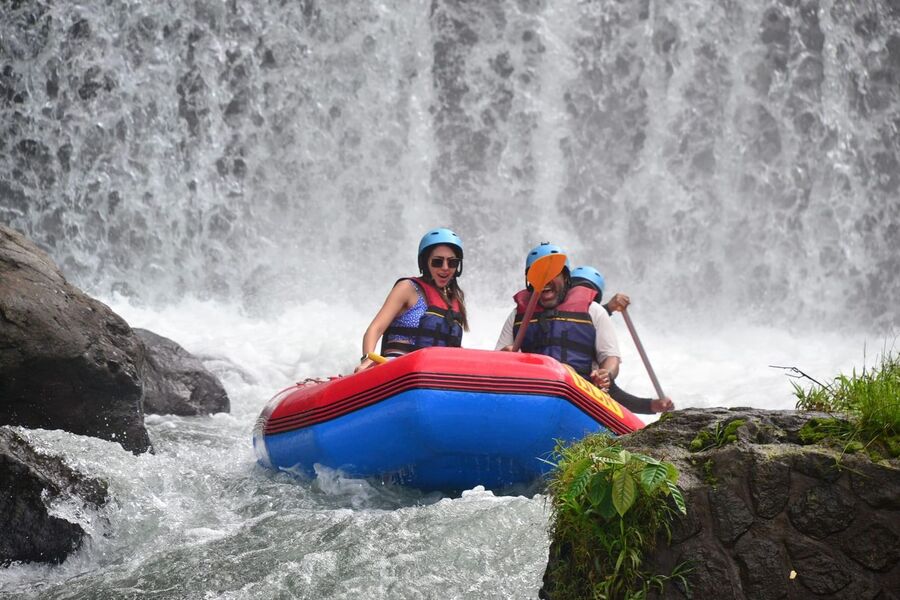
Bali Rafting for Beginners: 9 Essential Things to Know
Stepping into a rubber raft and paddling down a winding tropical river is one of the most exhilarating Bali outdoor activities you can try. However, if you have never navigated moving water before, the idea can feel intimidating. You might be wondering what actually happens out there on the water, whether you are physically ready, or how you will feel once the river catches the boat.
For those planning a first time rafting Bali trip, the good news is that you don’t need to be an extreme sports enthusiast. This guide walks you through the entire journey—from the moment you decide to book, through your mental and physical preparation, right down to your first paddle stroke, the thrill of the rapids, and the celebration at the finish line.
1. Is Bali Rafting Suitable for Beginners?
The short answer is absolutely yes. Bali rafting for beginners is highly accessible, and the rivers here welcome thousands of first-timers every year.
A common misconception is that you need previous white water rafting experience to participate. In reality, you are never expected to know how to navigate the river on your own. Every raft is led by a professional river guide who sits at the back (the stern) to steer the boat, read the water currents, and give you specific instructions.
As a beginner, you don’t need perfect paddling technique. Your primary role is to paddle when told, stop when told, and enjoy the Bali rafting experience. The guide’s expertise makes it possible for first-time participants to safely navigate the river and focus on the fun.
2. What Does a First-Time Rafter Usually Worry About?
It is completely normal to have a head full of “what ifs” before your first Bali river adventure. Let’s address some realistic concerns that first-timers usually have:
- “Will I be scared?” A little nervousness is standard, but for most people, that apprehension turns into pure excitement the moment they hit the first small rapid.
- “Do I need to be physically strong?” You don’t need bodybuilder strength. Rafting is about teamwork, timing, and following a rhythm rather than overpowering the river.
- “What if I fall into the water?” While falling in is always a possibility in white water rafting Bali, you will be wearing a helmet and a personal flotation device (life jacket). You will also be taught exactly what to do if this happens before you even step foot in the raft. For additional water safety information, refer to the American Red Cross life jacket safety guidelines.
- “Will I know what to do?” Yes. You will not be expected to figure it out on the fly. The safety briefing will cover everything you need to know.
- “What if I cannot keep up with the group?” You are part of a team. The guide controls the overall pace and will adjust to the abilities of the people in the boat.
3. Preparing Yourself Mentally Before Rafting
Mental preparation for beginner rafting Bali is not about mustering blind bravery; it is about building confidence and awareness.
Feeling nervous before walking down to the river is a natural part of the adventure. Instead of focusing on the most extreme scenarios or overthinking the rapids, shift your focus to the present moment. Listen intently to the briefing and place your trust in your guide’s instructions.
When you encounter a more active section of the river, the best thing you can do is stay calm and listen to the commands. Mental readiness is simply about staying aware of your surroundings, accepting that you might get splashed, and keeping a positive, flexible mindset.
4. How Physically Fit Do You Need to Be?
While you don’t need to be an athlete, a rafting adventure Bali does require some physical movement.
Paddling requires a combination of stamina and coordination. You will be sitting on the side of an inflatable tube, using your feet to anchor yourself while moving your upper body to paddle. Therefore, your ability to maintain balance and follow the guide’s rhythm is actually much more important than extreme muscular strength.
It is important to honestly consider your current body condition. For example, operators like Telaga Waja rafting note that a healthy physical condition, basic balance, coordination, endurance, and flexibility will greatly help you enjoy the trip. If you have severe joint issues, back problems, or heart conditions, it is best to consult with a doctor and the rafting operator beforehand.
5. What Should You Prepare Before Your First Rafting Trip?
Bringing the right gear can make your first experience significantly more comfortable. Preparing for a beginner-friendly rafting Bali trip is simple:
- Comfortable quick-drying clothes: Opt for a swimsuit, rash guard, and board shorts, or lightweight athletic wear. Avoid heavy cotton or denim, which absorb water and get cold.
- Suitable footwear: Wear strapped river sandals or dedicated water shoes. Avoid flip-flops, as they will easily wash away, and bare feet are usually not allowed.
- Change of clothes: Bring a full set of dry clothes (including underwear) to change into afterward.
- Towel and toiletries: You will want to shower off the river water once you finish.
- Sun protection: Apply water-resistant sunscreen before the trip.
- Waterproof storage: Leave valuables at the hotel. Reputable operators, like those at Telaga Waja, provide waterproof bags for small essentials and secure lockers at the base.
Keep it simple and avoid bringing unnecessary items down to the river.
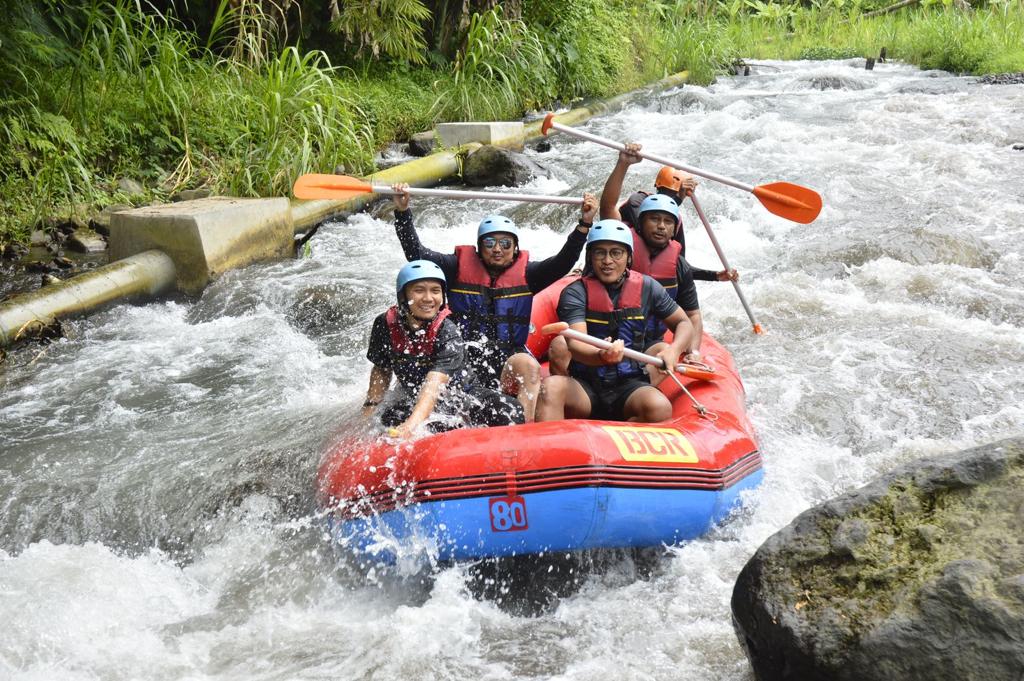
6. What Happens Before You Get Into the Raft?
The anticipation peaks right before the trip begins. Here is the typical sequence of events so you know exactly what to expect:
- Arrival at the rafting location: You will arrive at the base camp, take in the views, and register or check-in with the staff.
- Getting the safety equipment: Staff will fit you with a personal flotation device (life jacket) and a helmet. They will ensure everything is snug and secure.
- Meeting the rafting guide: You will be introduced to your river guide, who will be steering your raft.
- Safety briefing: The guide will explain how to sit properly, how to hold the paddle, and what to do if you or a teammate falls out.
- Basic paddling instructions: You will learn the simple commands you will be using all day.
- Understanding simple commands: Expect to learn commands like “forward paddle,” “back paddle,” “stop,” and “boom boom” (lean inside the raft and hold on).
- Getting into the raft: Finally, you will walk down to the riverbank, take your assigned seat on the raft, and push off into the water.
7. What Happens During Your First Bali Rafting Experience?
Your first rafting trip will feel like a story unfolding. Here is the natural progression of the journey:
The First Few Minutes As the raft pushes away from the bank, you will likely still feel a bit nervous. The water is moving, and you are trying to remember the paddle commands. In these first few minutes, your guide will have you practice paddling in calmer water so everyone can get a feel for the rhythm.
The First Rapids Soon, you will hear the rushing sound of your first rapid. The guide will call out a command—”Forward paddle!”—and you will dig your paddle in. As the raft bumps over the water and the first splash hits your face, the nervousness vanishes, replaced instantly by adrenaline and laughter.
Once You Find Your Rhythm After a few rapids, you will start to feel much more relaxed. Coordinating with your raft mates becomes natural. You are no longer overthinking every stroke; you are just flowing with the river and reacting to the guide’s calls.
The Scenic Sections A Bali river adventure isn’t just about non-stop action; there are long, peaceful stretches too. This is your chance to rest your arms and take in the incredible environment. You might float past dense jungle canopies, carved stone cliffs, local rice fields, or beautiful hidden waterfalls.
The Final Stretch By the time you approach the end of the route, you will feel a surge of confidence. You know how the raft moves, you trust your team, and as the finish line comes into view, you will feel a deep sense of satisfaction for having successfully completed the journey.
8. Do Beginners Need to Know How to Swim?
This is one of the most frequently asked questions about rafting Bali for beginners. While knowing how to swim can give you a better sense of personal comfort in the water, it is not strictly required to go rafting.
However, this does not mean the activity is completely devoid of risk. There is a distinct difference between swimming ability and the ability to follow safety procedures. Your life jacket is designed to keep you buoyant, but your safety relies on carefully following the operator’s requirements and your guide’s instructions if you end up in the water. Always inform your guide if you are not a strong swimmer so they can keep a closer eye on you.
9. What If You Feel Scared During the Rafting?
If you suddenly feel overwhelmed or scared while on the river, the most important rule is: Do not panic.
Instead, focus entirely on your guide. Their voice is your anchor. Listen to their simple, direct instructions. If the rapid feels too intense, follow the command to stop paddling, sit deep inside the raft, and hold onto the safety ropes tightly.
Communicate with your guide if you are struggling. Feeling scared does not mean you are “bad at rafting.” Your first experience is a process of building confidence, and getting through a scary moment safely is often the most rewarding part of the day.
10. What Makes the First Rafting Experience Memorable?
Rafting is highly memorable because it is packed with “firsts.” It’s the shock of the first splash, the thrill of bouncing through the first rapid, and the satisfying feeling of executing a paddle command perfectly in sync with your teammates.
Beyond the adrenaline, it is the shared experience. Laughing with your friends (or strangers who quickly become friends) when someone paddles out of rhythm, and taking in Bali’s stunning natural surroundings from a perspective you can’t get on land. Finishing the river journey together creates a lasting bond and an unforgettable travel memory.
11. What Happens After the Rafting Ends?
Once you conquer the final rapid, the raft will pull up to the riverbank.
- Leaving the river: You will hand over your paddle, step out of the raft, and usually take a short hike up from the river gorge to the base facility.
- Showering and changing: You will hit the shower rooms to wash off the river water and change into the dry clothes you packed. Operators like Telaga Waja provide excellent shower and change room facilities, along with towels.
- Having a meal: Most Bali rafting packages include a buffet meal at the finish point.
- Looking back: As you sit down to eat, you will likely feel a pleasant, heavy tiredness in your arms—and a huge sense of satisfaction. You’ll reflect on how intimidating the river looked at the beginning, compared to how fun and manageable it felt by the end.
Conclusion
Bali rafting for beginners is less about arriving with perfect skills and more about being prepared to learn, listen, and experience something new. From the nervous anticipation before entering the raft to the first paddling commands, active sections of the river, scenic surroundings, and satisfaction of reaching the finish, the first trip is a journey in itself.
For first-time rafters, the experience can also reveal a different side of Bali. Beyond beaches and sightseeing, a Bali river adventure offers the opportunity to participate actively in the island’s natural environment while sharing the experience with a guide and fellow travelers.
If you are ready to try rafting for the first time, prepare sensibly, listen carefully during the briefing, and approach the experience with an open mind. Your first Bali rafting adventure could become one of the most memorable stories from your trip.
FAQ
1. Is Bali rafting suitable for complete beginners?
Yes, Bali’s major rafting rivers are highly suited for complete beginners. Professional guides manage the navigation, allowing first-timers to safely enjoy the experience.
2. Do I need previous rafting experience in Bali?
No previous experience is necessary. Your river guide will teach you the basic paddling strokes and safety commands before you enter the raft.
3. How physically fit do I need to be for rafting in Bali?
You don’t need to be an athlete, but you should have a healthy physical condition, basic balance, coordination, and enough stamina to paddle intermittently for about two hours.
4. What should I wear for my first rafting experience?
Wear quick-drying clothing (like a swimsuit or rash guard) and strapped sandals or water shoes. Do not wear flip-flops or heavy cotton clothing.
5. What happens during a rafting safety briefing?
Your guide will explain how to sit safely in the raft, how to hold the paddle, basic commands (forward, back, stop), and the safety protocols if you fall into the water.
6. What should I expect during my first Bali rafting trip?
Expect a mix of emotions: brief initial nervousness, followed by adrenaline in the rapids, and relaxed awe during the calm, scenic stretches of the river.
7. What if I feel nervous or scared during rafting?
If you feel scared, do not panic. Focus on listening to your guide’s instructions, hold onto the safety lines if instructed, and communicate your feelings to your guide.
8. Is Telaga Waja suitable for first-time rafters?
Yes, Telaga Waja is a popular choice for first-timers. While it offers exciting rapids, the professional river guides, comprehensive safety briefings, and excellent facilities make it a very manageable and thrilling option for beginners.