
10 Important Tips Before Going on a Rafting Adventure in Bali
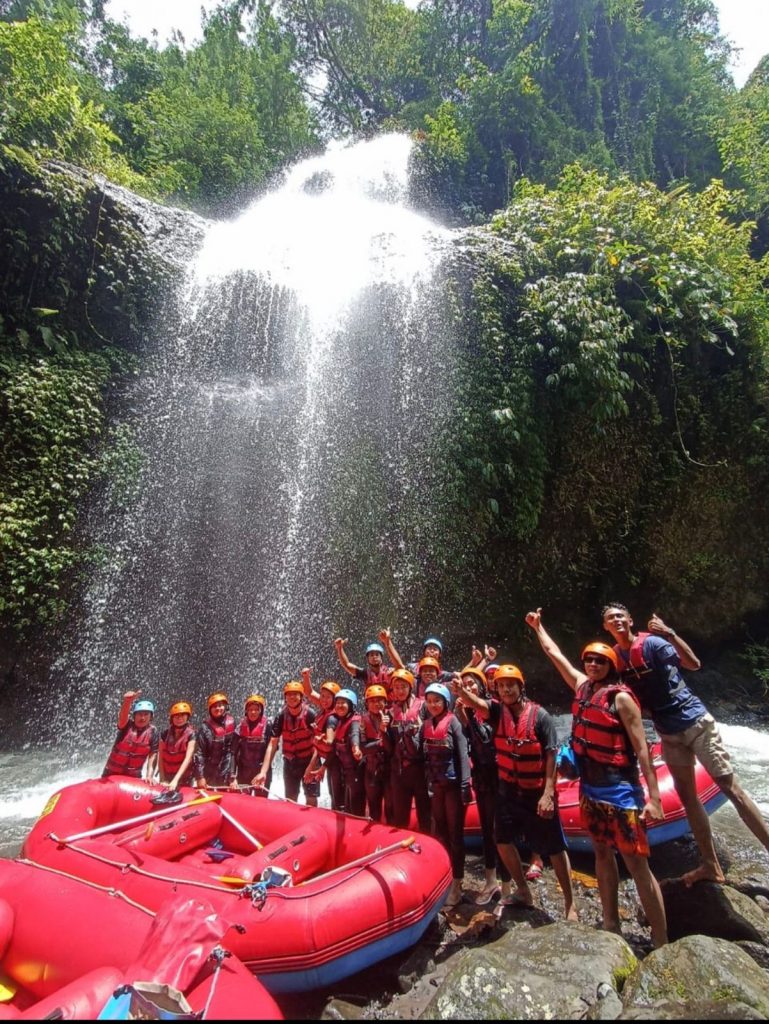
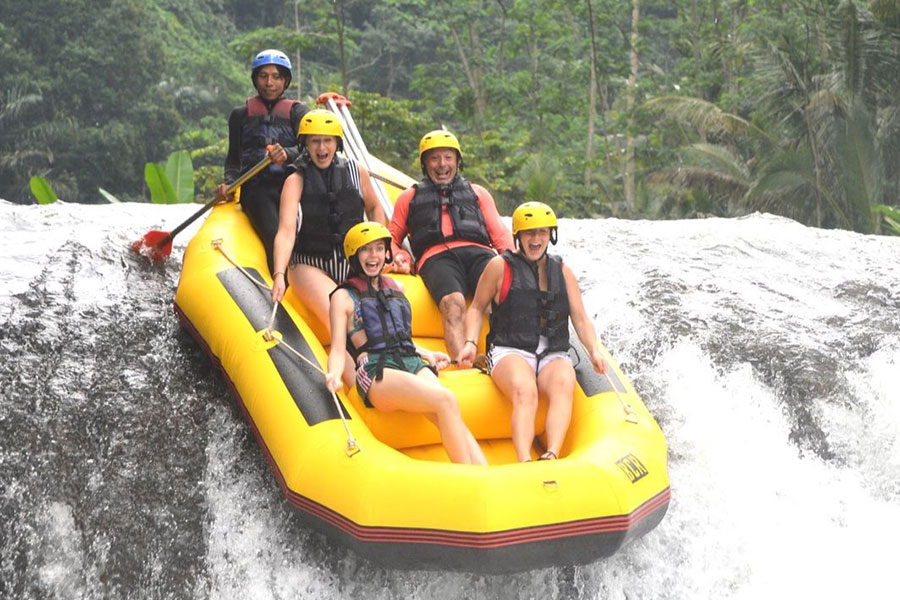
Rafting, also known as white water rafting, is an exciting outdoor activity that combines adventure, teamwork, and the beauty of nature. During a rafting adventure, participants ride in an inflatable boat and navigate a river with varying currents, rapids, and natural obstacles.
For many visitors, rafting in Bali is one of the most exciting ways to experience the island beyond its beaches and cultural attractions. This activity allows you to enjoy lush tropical landscapes while challenging your coordination, courage, and teamwork. Each raft is typically accompanied by a trained guide who provides instructions and helps participants navigate the river.
However, proper preparation is essential before starting your rafting adventure. From choosing a reputable operator to understanding safety procedures, there are several important things to consider before getting on the water.
Here are 10 important tips to help you prepare for a safe, comfortable, and enjoyable rafting adventure in Bali.
1. Choose an Experienced Rafting Operator
Choosing a reputable rafting operator is one of the most important steps before your adventure. Look for a provider with qualified guides, appropriate safety equipment, clear operating procedures, and a good reputation among previous customers.
You should also check whether the operator follows applicable safety standards and has the necessary business documentation. Before booking, ask about the rafting package, what is included, and the safety measures provided during the activity.
An experienced operator can help you understand the route, prepare for changing river conditions, and enjoy your rafting trip with greater confidence.
2. Understand the Difficulty Level of the River
Not every rafting route offers the same level of difficulty. Some rivers are suitable for beginners, while others feature stronger currents, larger rapids, and more technical sections that require additional experience.
Before choosing a rafting package, ask the operator about the river’s difficulty level, the expected duration, and any participant requirements. Your choice should match your experience, physical condition, and comfort level.
Two popular options for rafting in Bali are the Telaga Waja River in Karangasem and the Ayung River near Ubud. Each offers a different combination of river conditions and natural scenery.
Telaga Waja Rafting is known for its exciting rapids, longer rafting routes, and scenic surroundings. However, river conditions can change, so always follow the operator’s guidance when deciding whether a particular route is suitable for you.
3. Understand the Risks and Safety Requirements
Although rafting is an enjoyable outdoor activity, it involves natural risks. Fast-moving water, slippery riverbanks, submerged obstacles, and sudden changes in weather can affect the experience.
Before departure, attend the safety briefing and make sure you understand the guide’s commands. Ask what to do if you fall out of the raft, how to respond if the boat overturns, and where to position yourself during difficult sections.
Always follow the guide’s instructions throughout the trip. If you have concerns about your ability to participate, discuss them with the operator before entering the river.
Read also: 5 Unique Rafting Features at Telaga Waja Rafting
4. Wear the Correct Safety Equipment
Safety equipment is essential for every rafting adventure. Before entering the river, make sure you receive a properly fitted life jacket and helmet, along with any additional equipment required by the operator.
Check that your life jacket is securely fastened and that your helmet fits comfortably without moving excessively. If anything feels loose, damaged, or uncomfortable, ask the staff to adjust or replace it before departure.
Never remove your life jacket or helmet while rafting, even when the water appears calm. Wearing the correct equipment and following safety procedures can help reduce the risk of injury.
5. Check Your Physical Condition
Rafting requires physical effort, coordination, and the ability to follow instructions. Participants may need to paddle, maintain their balance, and respond quickly to commands while navigating the river.
Before booking, consider your current fitness level and any medical conditions that could affect your participation. Inform the operator about relevant health concerns and ask about age, weight, mobility, or other participation requirements.
Avoid rafting if you are feeling unwell, dizzy, unusually fatigued, or affected by alcohol or other impairing substances. If you are unsure whether the activity is appropriate for you, seek medical advice before participating.
Choosing a route that matches your physical abilities will help you enjoy the experience more comfortably.
6. Check the Cancellation and Rescheduling Policy
Weather conditions and river safety can sometimes affect rafting schedules. Heavy rainfall, dangerous currents, or other unforeseen circumstances may cause an operator to delay, reschedule, or cancel a trip.
Before confirming your reservation, read the operator’s cancellation and rescheduling policy carefully. Check whether changes are permitted, whether refunds are available, and what happens if the operator cancels the activity for safety reasons.
It is also a good idea to confirm your booking details and contact information before your travel date. Understanding these policies in advance can help you avoid confusion if your plans change.
7. Learn About Your Rafting Destination
Learning about the rafting destination before departure helps you prepare for the journey. Find out where the meeting point is, how long it takes to reach the location, how long the rafting activity usually lasts, and what facilities are included in your package.
If you plan to visit Telaga Waja River in Karangasem, remember to consider the travel time from your accommodation, especially if you are staying in southern Bali or around Ubud.
You should also ask whether the meeting point is accessible by your chosen vehicle and whether the operator provides hotel transfers.
Understanding the destination in advance makes it easier to organize your schedule and enjoy the adventure without unnecessary stress.
8. Prepare Suitable Clothing and Personal Items
Choosing the right clothing can make your rafting adventure more comfortable. Wear lightweight clothes that dry relatively quickly and allow you to move freely. Avoid heavy fabrics such as jeans, which can become uncomfortable when wet.
Secure footwear is also important. Choose water shoes or suitable sandals with straps that stay firmly attached to your feet. Avoid loose footwear that could come off in the river.
Depending on the weather and your needs, consider bringing:
- Sunscreen to protect your skin from sun exposure.
- A change of clothes for after the activity.
- A towel and personal toiletries.
- Waterproof protection for essential belongings, if permitted by the operator.
- Drinking water for before or after the trip, following the operator’s guidance.
Leave valuables and unnecessary items in a secure place. Check with the operator about storage facilities and any restrictions on personal belongings.
9. Listen to Your Rafting Guide
Your rafting guide plays an important role in helping the group navigate the river. Guides explain paddling techniques, communicate commands, and provide instructions for responding to changing conditions.
Pay close attention during the safety briefing, even if you have participated in rafting before. Different rivers and routes may require different techniques and commands.
During the trip, respond promptly to instructions such as paddling forward, paddling backward, or stopping. If you do not understand a command, ask the guide to explain it before starting.
Good communication and teamwork help the group navigate the river more effectively and contribute to a more enjoyable experience.
For more information about rafting packages and activities, visit the Telaga Waja Rafting official website.
10. Be Ready to Enjoy Your Rafting Adventure
After preparing your equipment, checking your physical condition, and understanding the safety procedures, it is time to enjoy your rafting adventure.
Rafting offers more than an adrenaline rush. It gives you an opportunity to appreciate Bali’s natural landscapes, spend quality time with family or friends, and build teamwork through a shared outdoor experience.
Take time to enjoy the river scenery between rapids, communicate with your fellow participants, and follow the guide’s instructions throughout the journey.
Remember that enjoying the adventure also means respecting the river and the surrounding environment. Avoid throwing rubbish into the water, follow the operator’s environmental guidelines, and treat the natural landscape responsibly.
With proper preparation and a responsible attitude, rafting can become one of the most memorable activities during your holiday in Bali.
Conclusion
A rafting adventure in Bali is an exciting way to experience the island’s natural beauty while enjoying an outdoor activity that encourages teamwork and confidence. However, preparation is essential to make the most of your trip.
By choosing a reputable rafting operator, understanding the river’s difficulty level, checking your physical condition, wearing the correct safety equipment, and following your guide’s instructions, you can prepare more effectively for your adventure.
Whether you choose the exciting rapids of Telaga Waja River in Karangasem or another rafting destination in Bali, take time to understand the route, check the booking policies, and prepare suitable clothing before departure.
If you are planning to experience Telaga Waja Rafting, visit telagawajarafting.id to learn more about available rafting packages and booking information. Prepare well, follow the safety guidelines, and enjoy your rafting adventure in Bali responsibly.
Frequently Asked Questions (FAQ)
1. What should I prepare before going rafting in Bali?
Prepare comfortable clothing, secure footwear, sunscreen, a change of clothes, and a towel. Most importantly, choose a reputable operator, check the participant requirements, and listen carefully to the safety briefing before entering the river.
2. Is rafting in Bali suitable for beginners?
Yes, some rafting routes in Bali are suitable for beginners. However, suitability depends on the river conditions, the difficulty of the route, and the operator’s requirements. Beginners should choose an appropriate route and follow their guide’s instructions throughout the activity.
3. Which is better for rafting in Bali: Telaga Waja River or Ayung River?
Both rivers offer enjoyable rafting experiences, but they differ in route characteristics and scenery. Telaga Waja River in Karangasem is known for its exciting rapids and longer routes, while Ayung River near Ubud is popular for its river scenery and lush surroundings. The best choice depends on your preferences, experience, and physical condition.
4. What should I wear for a rafting adventure?
Wear lightweight, comfortable clothing that can get wet, along with secure water shoes or sandals. Avoid heavy clothing such as jeans and footwear that can easily come off. A properly fitted life jacket and helmet should be provided or required by the rafting operator.
5. How long does a rafting adventure in Bali take?
The duration depends on the river, the selected route, water conditions, and the operator. A rafting trip may take around two to three hours on the water, but the overall activity can take longer when transportation, registration, safety briefings, and preparation are included. Confirm the expected schedule with your operator before booking.
6. Is rafting in Bali safe during the rainy season?
Rafting conditions can change during the rainy season because rainfall may increase water levels and current strength. Operators may adjust departure times, change routes, postpone activities, or cancel trips when conditions are unsafe. Always check the latest river conditions with your operator and follow its safety decisions.
7. What happens if I fall out of the raft during rafting?
If you fall out of the raft, follow the safety instructions explained during the briefing and listen to your guide’s commands. Your life jacket helps provide buoyancy, but it does not eliminate the risks of moving water. Do not panic or attempt an unfamiliar rescue maneuver. Follow the guide’s instructions and the operator’s established rescue procedures.
8. How can I book a Telaga Waja Rafting adventure?
You can visit Telaga Waja Rafting to find information about rafting packages and booking arrangements. Before confirming your reservation, check the price, inclusions, meeting point, departure schedule, participant requirements, and cancellation policy.