

Try Telaga Waja Rafting Now with Many Exciting Challenges
Telaga Waja Rafting is one of the most exciting rafting activities in Bali, offering a combination of flowing river currents, an extended route, and various natural challenges. Located in Karangasem Regency in eastern Bali, Telaga Waja River attracts adventure seekers who want to experience the excitement of navigating a scenic river.
The adventure begins at the starting point, where participants can enjoy beautiful natural surroundings before entering the river. Flowing rapids, rocky sections, and mountain scenery create an exciting atmosphere throughout the journey. Along the route, distinctive features such as a suspension bridge and a river dam add interesting elements to the rafting experience at Telaga Waja.
Rafting here is not only about navigating the currents. Participants can also appreciate the surrounding landscapes, work together with their teammates, and experience different river conditions along the way.
Why Does Telaga Waja Have Such Strong River Currents?
Telaga Waja River is known for its relatively fast-flowing water and challenging rafting sections. Its river characteristics are influenced by several natural factors, including its mountainous surroundings, riverbed formation, and rainfall patterns in the Karangasem area.
One important geographical influence is the mountainous landscape around Mount Agung. Water from the surrounding highlands contributes to the river system, while the downhill terrain helps create flowing sections along the river.
The riverbed also contains natural rocks and uneven sections that influence how water moves. When water passes through narrower channels or over changes in elevation, the current can become faster and create rapids.
Rainfall is another important factor. During periods of heavy rain, the river’s water level and current strength may increase. Conditions can also change during the dry season, so the river should not be assumed to have exactly the same flow throughout the year.
These natural characteristics make Telaga Waja an appealing destination for people looking for an adventurous rafting trip. However, its current should be assessed according to the conditions on the day of the activity.
Read More: Telaga Waja Rafting Creates the Best Experience for You!
The Mystery of the Suspension Bridge Passed During Rafting
One of the distinctive attractions along the Telaga Waja Rafting route is a suspension bridge that participants may encounter during the journey. Its position above the river creates an interesting view, especially when the raft passes underneath.
The bridge has also inspired local stories and mysterious tales. Some stories describe unusual shadows or unexplained sounds around the bridge. These accounts add a sense of curiosity to the location, although they should be understood as local tales rather than verified events.
Beyond the stories, the bridge is an interesting feature of the surrounding landscape. Its elevated structure creates a contrast with the flowing river below, making it a memorable sight for participants.
Depending on the river conditions and the operator’s arrangements, participants may have an opportunity to appreciate the bridge while passing through this section. Any photography should be done only when it is safe and permitted by the guide.
Unique Facts About the Dam Along the Telaga Waja Rafting Route
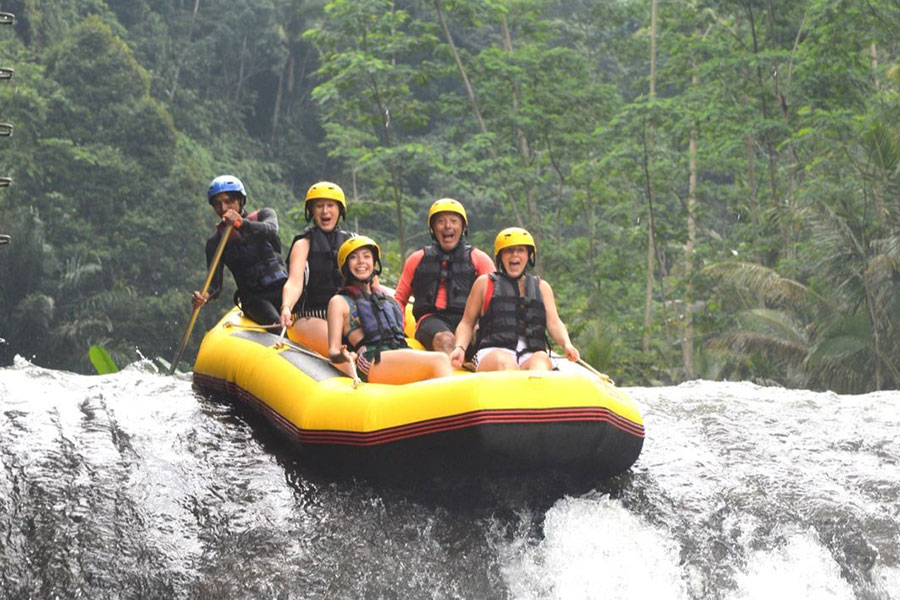
Along the rafting trip, participants may encounter a small dam or river structure that is often considered one of the most exciting features of the route.
Some rafting routes include a descent over a structure commonly described as approximately 4 meters high. Passing this section can create a sudden change in the raft’s movement and a memorable adrenaline-filled moment.
The structure is also connected to the surrounding water-management landscape, where river infrastructure can support local water distribution and agricultural activities. However, its exact history and original purpose should be confirmed through local information rather than assumed.
Try Telaga Waja Rafting Now with Many Exciting Challenges
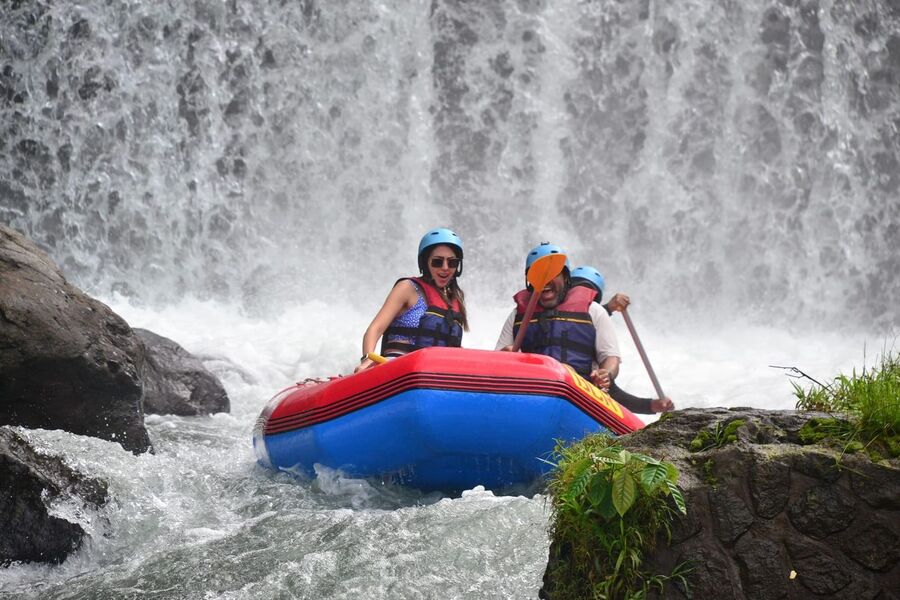
For participants, the most important thing when approaching this section is to listen carefully to the guide. Follow the recommended paddling instructions and maintain the correct position in the raft. The exact route and whether the descent is included can depend on the operator and current river conditions.
How Telaga Waja Rafting Differs from Other Rivers in Bali
Bali has several popular rivers for rafting, including Telaga Waja River and Ayung River. Each offers a different atmosphere and river experience. Here are some general differences:
- River Currents: Telaga Waja is known for its flowing currents and challenging sections, while Ayung River is commonly chosen for a more moderate rafting experience.
- Rafting Routes: Telaga Waja routes are often offered at approximately 14–16 km, while Ayung River routes are commonly around 10–12 km. Actual distances depend on the operator.
- Natural Scenery: Telaga Waja features mountainous surroundings, rice fields, and river cliffs, while Ayung River is known for its forest scenery and distinctive riverside rock carvings.
- River Challenges: Some Telaga Waja routes include a notable dam descent, while Ayung River offers a different combination of rapids and river features.
- Difficulty Level: Telaga Waja is generally associated with more challenging sections, while Ayung River is often considered suitable for beginners. Actual difficulty depends on the route, water level, and weather conditions.
Both rivers offer enjoyable outdoor experiences. The best option depends on the type of adventure, scenery, and difficulty level that participants prefer.
Tips for Handling the Long Telaga Waja Rafting Route
Rafting in Telaga Waja involves an extended journey, so preparing your body and understanding basic rafting techniques can make the experience more comfortable.
Here are several useful tips before starting the trip:
- Warm Up Before Rafting: Do some gentle stretching to prepare your muscles for paddling and other physical movements.
- Hold the Paddle Correctly: Follow the guide’s instructions on paddle position and technique to help coordinate movements with the rest of the team.
- Follow the Guide’s Directions: Pay attention to instructions before and during the trip, especially when approaching rapids and river descents.
- Wear Comfortable Clothing: Choose lightweight clothing suitable for water activities and secure footwear that will stay on your feet.
- Know What to Do If You Fall into the Water: Stay as calm as possible and follow the safety briefing and guide’s directions. Do not attempt to stand in fast-moving water or grab objects without guidance.
Participants should also inform the operator about relevant health conditions before the activity. Proper preparation and communication with the guide can help make the longer journey more manageable.
Hidden Photo Spots Along the Telaga Waja Rafting Route
Besides the excitement of navigating the river, Telaga Waja offers several natural features that can make interesting photography subjects. Some can only be appreciated from the river, depending on the route taken.
Here are a few scenic features to look out for:
- Mini Waterfalls: Small waterfalls along certain sections of the route can create beautiful natural backgrounds.
- Rocky River Cliffs: Natural rock formations along the riverbanks provide an interesting contrast with the flowing water.
- Lush Green Areas: Trees and tropical vegetation create a refreshing atmosphere, especially in sections surrounded by dense greenery.
- Suspension Bridge: The bridge offers a distinctive background that captures the character of the Telaga Waja landscape.
For safety, participants should use waterproof camera equipment and only take photographs when the guide confirms that conditions are suitable. During challenging rapids, keeping both hands available for paddling and following instructions should take priority.
Common Mistakes Beginners Make During Telaga Waja Rafting
Trying rafting for the first time can be exciting, but beginners may make mistakes when they are unfamiliar with the equipment and river environment. Understanding these common mistakes can help participants prepare better.
- Skipping the Warm-Up: Starting physical activity without preparing your muscles may increase discomfort during paddling.
- Using the Paddle Incorrectly: Incorrect paddle positioning can make it harder to coordinate with other participants. Always follow the guide’s demonstration.
- Wearing a Loose Helmet: A helmet that does not fit properly may move during the trip. Make sure it is adjusted securely before entering the river.
- Panicking in the Water: Unexpectedly falling out of the raft can be frightening. Try to remain calm and follow the emergency instructions provided during the briefing.
- Ignoring the Guide’s Instructions: Missing important directions can affect coordination and safety, particularly when navigating rapids or approaching a descent.
Avoiding these mistakes does not eliminate every risk, but it helps participants understand their responsibilities and take part in the activity more confidently.
Conclusion
Telaga Waja Rafting offers more than a typical river adventure. Its flowing currents, extended route, distinctive suspension bridge, and exciting dam section create a combination of challenges and natural attractions that make the journey memorable.
Participants can also enjoy the surrounding scenery, discover interesting photography subjects, and experience the importance of teamwork while navigating the river. Whether comparing Telaga Waja with Ayung River or preparing for a first rafting trip, understanding the route and following the guide’s instructions are essential parts of the experience.
If you are looking for an exciting outdoor activity during your Bali holiday, Telaga Waja Rafting is an adventure worth considering. Prepare yourself, choose a suitable rafting operator, and enjoy the natural challenges of this river.
Frequently Asked Questions
1. Why does the river feel faster in certain sections of the Telaga Waja route?
The river’s speed can change because of variations in the riverbed, channel width, water volume, and elevation. Narrow sections and changes in river height can create faster currents and more noticeable rapids.
2. Is the suspension bridge part of the rafting activity or just a landmark along the river?
The suspension bridge is a landmark that participants may see while navigating certain sections of the river. It is not necessarily a separate activity or a stopping point, as this depends on the route and operator’s arrangements.
3. Does every Telaga Waja rafting package include the dam descent?
Not necessarily. The route may differ between operators, and river conditions can affect which sections are included. Ask the operator whether the dam descent is part of the package you plan to book.
4. What makes a dam descent different from an ordinary rapid?
A dam descent involves navigating a change in water level over a river structure, while ordinary rapids are formed by flowing water moving over uneven natural riverbeds. The movement of the raft can therefore feel different in each section.
5. Can participants take photos while passing the suspension bridge?
Photography opportunities depend on the river conditions and the guide’s instructions. Participants should only use cameras when it is safe to do so, preferably with suitable waterproof protection.
6. Why might Telaga Waja and Ayung River feel different even when both offer rafting?
The rivers have different route characteristics, scenery, water flow, and natural obstacles. Telaga Waja is often associated with a longer route and more challenging sections, while Ayung is commonly selected for a more moderate rafting experience.
7. What should participants do if they feel tired before reaching the finish point?
Inform the guide as soon as possible. The guide can assess the situation and provide appropriate assistance based on the river conditions. Participants should not ignore unusual exhaustion or discomfort during the trip.
8. Does recent rainfall affect the availability of the dam and other river features?
It can. Rainfall may change water levels and current strength, which can influence the operator’s route decisions. Certain sections may be adjusted or avoided when conditions require additional precautions.